
| |

Why Are My Brakes Grinding? ABS Light, Rotor Wear & New Brake Noise — The Complete Brake Troubleshooting Guide

Sharing is Caring

If your brakes are making strange noises, your ABS warning light has suddenly appeared, or you’re wondering whether your brake rotors need replacing, you’re not alone. Brake-related issues are among the most common reasons drivers visit an auto parts store or repair shop—and knowing the warning signs early can save you hundreds of dollars while keeping your vehicle safe.

In this complete guide, we’ll cover the five most common brake concerns every driver should understand:

  • Why brakes grind and what it means
  • What the ABS warning light actually indicates
  • When brake rotors should be resurfaced or replaced
  • How long brake pads and rotors typically last
  • Whether noise after installing new brake pads is normal

Whether you drive through the rainy streets of British Columbia or regularly commute on the highway, this guide will help you make informed decisions about your braking system.

Why Are My Brakes Grinding?

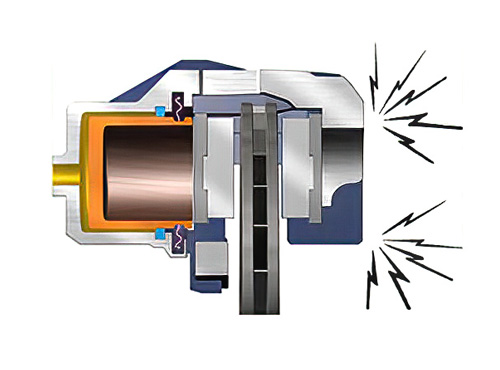
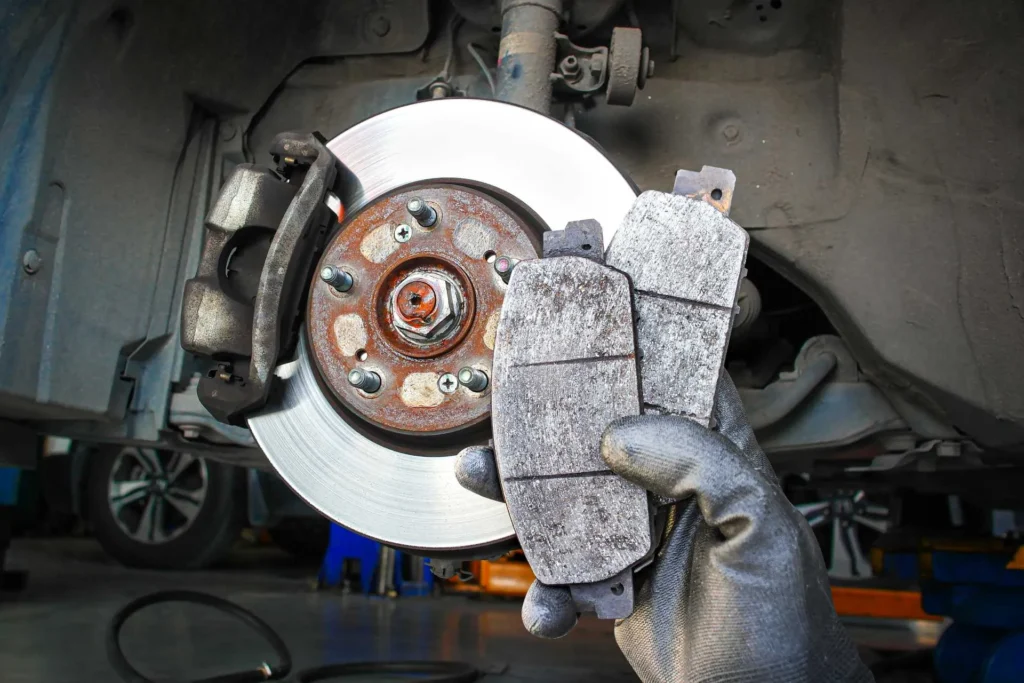
A grinding noise is one of the clearest indicators that your brake system needs immediate attention. Unlike squeaking—which may sometimes be harmless—grinding usually means metal components are contacting each other.

Common causes of grinding brakes

1. Worn-out brake pads

The most common cause is brake pads that have completely worn down. Once the friction material is gone, the metal backing plate begins grinding directly against the rotor, causing damage within a short distance.

2. Debris trapped between the rotor and shield

Small stones, rust flakes, or road debris can become lodged behind the rotor and create an unpleasant grinding sound, especially after driving on gravel or wet roads.

3. Damaged brake rotors

Deep grooves or severely worn rotors can create grinding even when the pads still have some material remaining.

Is it safe to keep driving?

No—especially if the grinding is continuous. Driving with metal-on-metal contact can quickly destroy your rotors, increase stopping distance, and lead to much more expensive repairs. If the noise persists, inspect your brakes as soon as possible.

ABS Warning Light On? Here's What It Really Means

Modern vehicles use an Anti-lock Braking System (ABS) to prevent wheel lock-up during hard braking. When the ABS light illuminates, your regular brakes will often continue working, but the anti-lock function may be disabled.

What can trigger the ABS light?
Possible Cause
Severity
Faulty wheel speed sensor
Common
Damaged ABS sensor wiring
Moderate
Dirty reluctor/tone ring
Moderate
Low brake fluid
Important
ABS control module fault
Less common

The ABS system constantly monitors wheel speed. If one sensor sends inconsistent data, the vehicle disables the system and alerts the driver.

What should you do?
  1. Check whether the brake fluid level is low.
  2. Notice if both the ABS and Brake warning lights are illuminated.
  3. Scan the vehicle with an OBD-II scanner capable of reading ABS codes.
  4. Replace the faulty sensor or damaged component before relying on the system in emergency braking situations.

Tip: Don’t ignore an ABS light simply because the vehicle still stops. The system is designed to improve control during sudden braking, particularly on wet or slippery roads.

Brake Rotors: Should You Resurface or Replace?

Brake rotors provide the surface your brake pads clamp against. Over time they wear, develop grooves, or become uneven due to heat.

Resurface vs Replace

Resurface rotors if:

  • They’re above minimum thickness
  • Surface damage is minor
  • No cracks are present
  • Heat spots are minimal

Replace rotors if:

  • They’re below minimum thickness
  • Deep grooves are visible
  • Rotors are warped
  • Cracks or severe rust exist
How do you know rotors are worn?

Watch for these symptoms:

  • Steering wheel vibration while braking
  • Pulsating brake pedal
  • Visible scoring or grooves
  • Blue heat spots
  • Reduced braking performance

Many modern vehicles have relatively thin rotors, making replacement more economical than resurfacing once significant wear occurs.

How Long Do Brake Pads and Rotors Last?

There’s no universal lifespan because driving habits matter more than mileage alone.

Typical Brake Component Lifespan

Component
Typical Lifespan
Brake Pads
40,000–80,000 km
Brake Rotors
80,000–120,000 km
Brake Fluid
Every 2–3 years

Actual lifespan varies depending on driving style, vehicle weight, terrain, and environmental conditions.

Factors that shorten brake life
  • Frequent stop-and-go city driving
  • Towing heavy loads
  • Aggressive braking
  • Mountain driving
  • Corrosion from moisture and road salt
Signs it's time for replacement
  • Less than 3 mm of pad material
  • Brake warning indicator
  • Grinding or scraping sounds
  • Rotor thickness below specification
  • Excessive vibration

Inspecting your brakes every 10,000–15,000 km can help catch wear before it becomes a costly repair.

New Brake Pads Are Noisy—Is That Normal?

Many drivers become concerned immediately after installing new brake pads. The good news is that some noise during the break-in period is completely normal.

Normal noises
  • Light squeak during the first 200–500 km
  • Mild odor from curing friction material
  • Slight change in pedal feel

These usually disappear once the pads properly bed into the rotor surface.

When noise is NOT normal

Seek inspection if you notice:

  • Loud grinding
  • Continuous metallic scraping
  • Clicking while braking
  • Vibrations combined with noise
  • Noise becoming worse after several hundred kilometres

Improper installation, missing hardware clips, contaminated pads, or worn rotors can all create abnormal brake noise.

Quick Brake Troubleshooting Chart

Symptom
Likely Cause
Grinding noise
Worn pads or damaged rotor
ABS light
Sensor or ABS system issue
Pulsating pedal
Warped rotor
Steering vibration
Uneven rotor surface
Soft brake pedal
Brake fluid or hydraulic issue
Squeak after new pads
Normal bedding or installation issue

This simple chart can help narrow down the problem, but a physical inspection is always the safest approach before replacing parts.

Prevent Expensive Brake Repairs

A few preventive habits can significantly extend the life of your braking system:

  • Inspect brake pads during every tire rotation.
  • Replace pads before they wear completely.
  • Flush brake fluid every 2–3 years.
  • Avoid prolonged hard braking on steep descents.
  • Replace rotors and hardware when wear exceeds manufacturer specifications.

Small maintenance decisions today can prevent major rotor, caliper, and ABS repairs later.

Final Thoughts

Your brakes are your vehicle’s most important safety system, and they rarely fail without giving warning signs first. Grinding noises, ABS warning lights, steering vibration, or unusual sounds after a brake job all provide valuable clues about your vehicle’s condition. Understanding these symptoms helps you address problems early, reduce repair costs, and maintain confident stopping performance in all driving conditions.

At West Can Auto Parts, we’ve been serving British Columbia drivers for over 40 years with premium-quality OEM and aftermarket brake components. Whether you’re looking for ceramic or semi-metallic brake padsbrake rotorsbrake calipersbrake hardware, or other brake parts or expert advice on choosing the right parts, our knowledgeable team across 9 BC locations is here to help. Visit your nearest West Can Auto Parts stores or shop online to keep your vehicle road-ready with trusted brake solutions.

Disclaimer:

This blog is for educational and informational purposes only. For accurate diagnosis and proper vehicle repairs, always consult a certified automotive technician.

Similar Posts

Leave a Reply

Your email address will not be published. Required fields are marked *