

|

How to Tell if Your Car Has Federal or California Emissions (VIN Guide)

Sharing is Caring

Not sure whether your vehicle has Federal or California emissions? You’re not alone. Every day, thousands of vehicle owners order the wrong catalytic converter, oxygen sensor, or exhaust component simply because they don’t know which emissions system their car uses.

The good news is that identifying your vehicle’s emissions standard is usually straightforward. In most cases, you can determine it by checking your VIN, reading the under-hood emissions label, or looking up your vehicle specifications.

This guide explains exactly how to identify your emissions system and avoid buying the wrong parts.

Why does it matter?

Federal and California emissions vehicles often look identical from the outside, but they may use different emissions components. Installing the incorrect part can lead to:

  • Check Engine Light returning after replacement
  • Failed emissions or inspection tests
  • Incorrect fitment
  • Costly return or exchange delays

Some vehicles were manufactured in both Federal and California versions during the same model year, making accurate identification essential.

Federal vs California emissions: What's the difference?

Before identifying your vehicle, it’s helpful to understand what these terms mean.

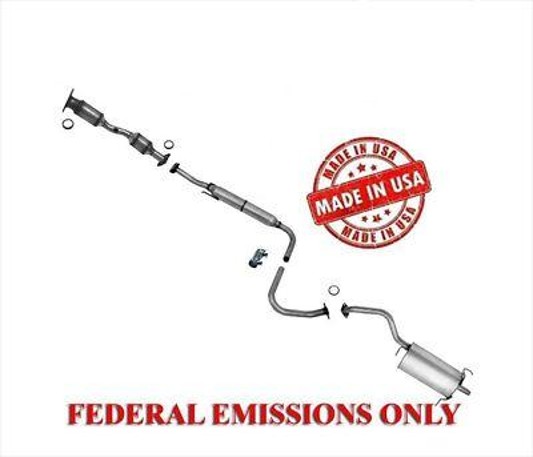
Designed to meet the emissions standards established by the U.S. Environmental Protection Agency. These vehicles are commonly found throughout most of North America.

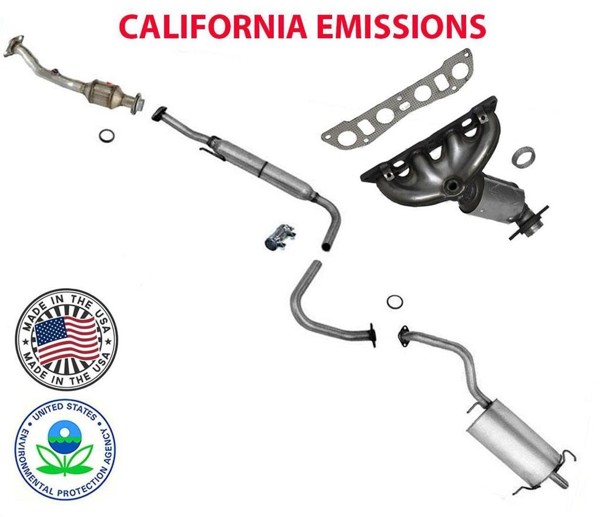
Built to comply with stricter California Air Resources Board regulations. These vehicles may also be sold in several other U.S. states and occasionally appear in Canada.

The important point is this: the model, engine size, and year alone do not always tell you which emissions system your vehicle has.

Method 1: Check the under-hood emissions label (Most Accurate)

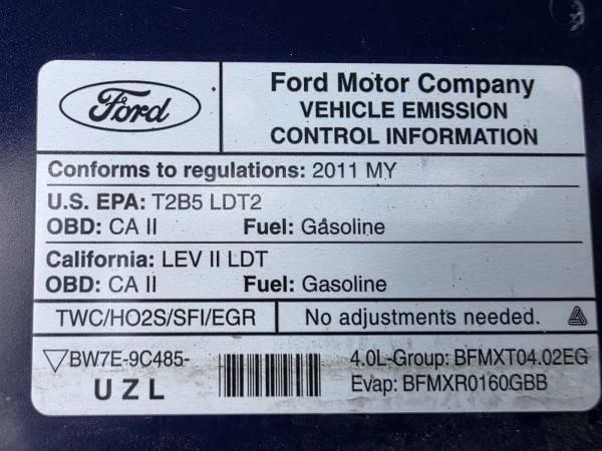
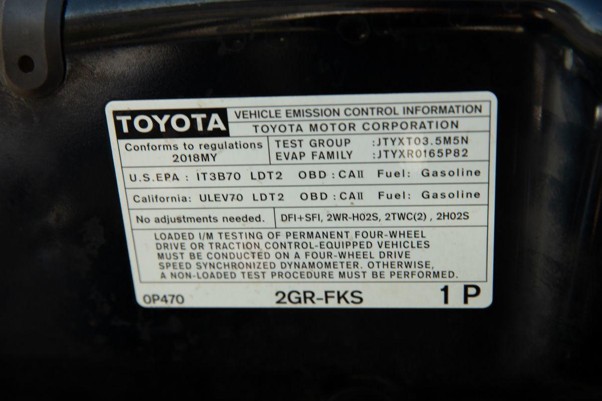
The fastest and most reliable method is reading the Vehicle Emissions Control Information (VECI) label.

Where is it located?

Open your hood and look for a white or silver sticker usually found:

  • On the underside of the hood
  • Near the radiator support
  • On the strut tower
  • Along the engine compartment
What does the label say?

Look for wording similar to:

Label wording
Your vehicle
"This vehicle conforms to U.S. EPA regulations…"
Federal Emissions
"This vehicle conforms to U.S. EPA and California regulations…"
California Emissions
"50-State Certified"
California Specification

If your label mentions California or 50-State, your vehicle typically requires California-compliant emissions components.

Pro Tip: The VECI label is generally more reliable than guessing based on where the vehicle was purchased.

Method 2: Use your VIN

Your Vehicle Identification Number (VIN) contains important manufacturing information. While the VIN doesn’t always directly state “Federal” or “California,” manufacturers and professional parts catalogues use it to determine the correct emissions configuration.

How to find your VIN

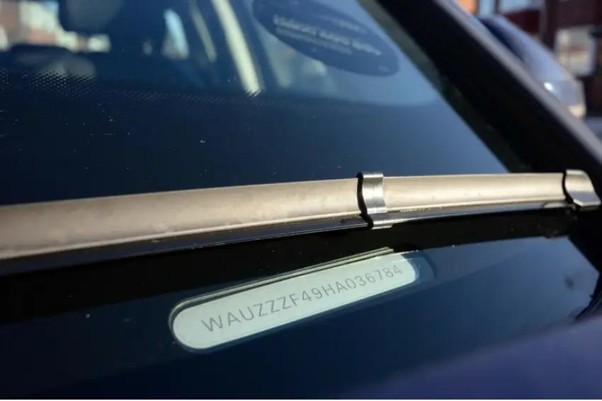
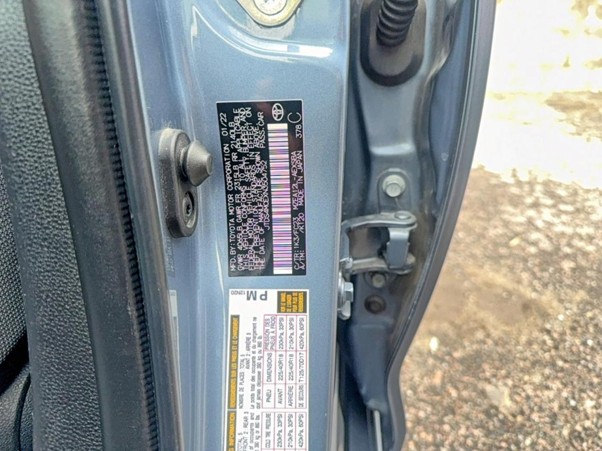
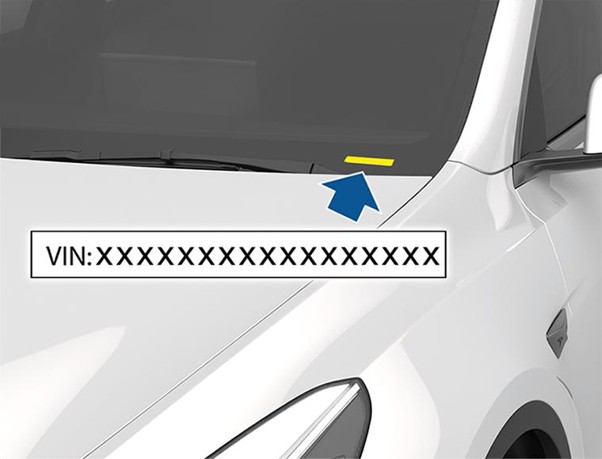
You’ll usually find the 17-character VIN in one of these locations:

  • Dashboard near the windshield (driver’s side)
  • Driver’s door jamb
  • Vehicle registration or insurance documents

Example VIN:

2HGFC2F59KH123456

17-character VIN example for illustration only.

A professional parts supplier can use this VIN to verify:

  • Federal or California emissions
  • Exact engine configuration
  • Production date
  • Compatible catalytic converter and sensors

Method 3: Look for "50-State" certification

Many newer vehicles are built as 50-State Certified models. This means the vehicle already meets California emissions standards regardless of where it is sold.

You may see phrases such as:

  • 50-State Certified
  • California Certified
  • CARB Certified

These vehicles generally use California-spec emissions components.

Can a Canadian vehicle have California emissions?

Yes.

This is one of the biggest misconceptions among vehicle owners. A vehicle sold in British Columbia, Ontario, or Alberta can still be equipped with California emissions equipment from the factory. Manufacturers often simplify production by building certain models to California specifications for multiple markets.

That’s why it’s never advisable to order emissions parts based solely on the province where the vehicle was registered.

Common mistakes people make

Ordering by year only

A 2018 model may have both Federal and California variants, even with the same engine.

Ignoring the emissions sticker

The under-hood label is often the most accurate identifier and takes less than a minute to check.

Assuming all Canadian vehicles are Federal

Many Canadian vehicles are California-certified from the factory.

Replacing only one emissions component without diagnosis

A failed oxygen sensor, catalytic converter, or EVAP component may trigger similar fault codes. Proper diagnosis saves money.

Which parts are affected?

Several replacement parts differ between Federal and California vehicles.

Catalytic converters

Oxygen sensors (O2 sensors)

Air-fuel ratio sensors

Exhaust manifolds

EVAP system components

Certain engine control components

Always verify compatibility before purchasing, especially for emissions-related repairs.

Quick identification checklist

Use this simple checklist before ordering any emissions part:

Check
Federal
California
Under-hood label says EPA only
✅
❌
Label mentions California
❌
✅
Label says 50-State Certified
❌
✅
VIN verified by parts supplier
Either
Either

If you’re still unsure after checking the label, your VIN is the safest way to confirm the correct configuration.

How West Can Auto Parts can help

Choosing the correct emissions part shouldn’t involve guesswork. At West Can Auto Parts, our team can verify your vehicle using its VIN before you purchase catalytic converters, oxygen sensors, exhaust components, and other emissions-related parts.

With over 40 years of automotive parts expertise and 9 locations across British Columbia, we help DIY drivers, repair shops, and fleet customers find the exact OEM or premium aftermarket replacement for their vehicle. Whether your car has Federal or California emissions, we’ll help ensure you receive the correct part the first time.

Have your VIN ready when you contact West Can Auto Parts, and our parts specialists can quickly verify your emissions configuration and recommend the right replacement.

Disclaimer:

This blog is for educational and informational purposes only. For accurate diagnosis and proper vehicle repairs, always consult a certified automotive technician.

Similar Posts

Leave a Reply

Your email address will not be published. Required fields are marked *