
CARB vs EPA Catalytic Converters: What’s the Difference and Which One Does Your Car Need?
Replacing a catalytic converter is not as simple as finding a part that fits your vehicle’s exhaust system. Depending on the vehicle’s emissions configuration, you may need a CARB-compliant catalytic converter or one designed to meet federal EPA emissions requirements.
The difference is especially important when you’re working with a vehicle originally built to meet California emissions standards. Installing the wrong catalytic converter can result in emissions problems, a recurring Check Engine Light, or a part that doesn’t meet the applicable requirements.
So, what exactly is the difference between CARB and EPA catalytic converters, and how do you know which one your vehicle needs?
Let’s break it down.
What Is a Catalytic Converter?
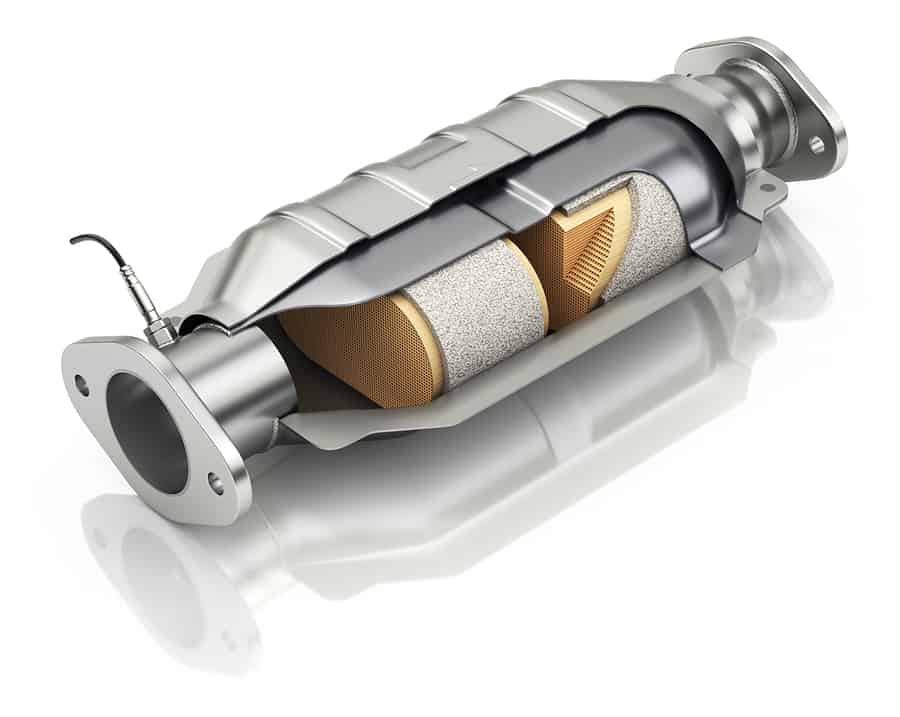
A catalytic converter is a key component of a vehicle’s exhaust and emissions-control system. Its job is to convert harmful pollutants in exhaust gases into less harmful substances before they leave the vehicle’s tailpipe.
Catalytic converters help reduce pollutants such as:
- Carbon monoxide (CO)
- Hydrocarbons (HC)
- Nitrogen oxides (NOx)
Modern vehicles use catalytic converters together with oxygen sensors, engine controls, and other emissions components to keep the engine operating efficiently while controlling emissions.
Because these systems are designed as part of the vehicle’s overall emissions configuration, the correct replacement converter matters.
What Does EPA Mean?
EPA stands for the U.S. Environmental Protection Agency. Federal emissions requirements establish standards that vehicles and emissions components must meet under federal law.
An aftermarket catalytic converter designed to meet applicable federal requirements must satisfy EPA requirements for performance, durability, labeling, and application. EPA guidance also emphasizes that the correct converter must be selected and properly installed for the vehicle.
You may therefore see catalytic converters described as Federal, EPA compliant, or Federal emissions converters.
These are generally intended for vehicles that use the applicable federal emissions configuration rather than a California-specific configuration.
What Does CARB Mean?
CARB stands for the California Air Resources Board.
California has historically maintained emissions requirements that are more stringent than federal standards. As a result, catalytic converters intended for California applications must satisfy additional California requirements.
CARB has specific evaluation procedures for new aftermarket catalytic converters, covering areas such as emissions performance, warranty, labeling, and installation requirements.
That’s why you may see products described as:
- CARB compliant
- CARB approved
- California compliant
- California emissions
- California catalytic converter
In simple terms, a CARB-compliant converter is designed to meet the applicable California requirements, while an EPA-compliant converter is designed to meet the applicable federal requirements.
CARB vs EPA Catalytic Converters: What's the Difference?
The easiest way to understand the distinction is to look at the vehicle’s emissions certification and the requirements the replacement part is designed to satisfy.
|
Feature
|
EPA / Federal Converter
|
CARB Converter
|
|---|---|---|
|
Designed for
|
Federal emissions applications
|
California emissions applications
|
|
Regulatory standard
|
Federal EPA requirements
|
California CARB requirements
|
|
Emissions requirements
|
Federal standards
|
More stringent California standards
|
|
Typical description
|
Federal / EPA compliant
|
CARB / California compliant
|
|
Vehicle application
|
Specific federal configurations
|
Specific California configurations
|
|
Fitment verification
|
Required
|
Required
|
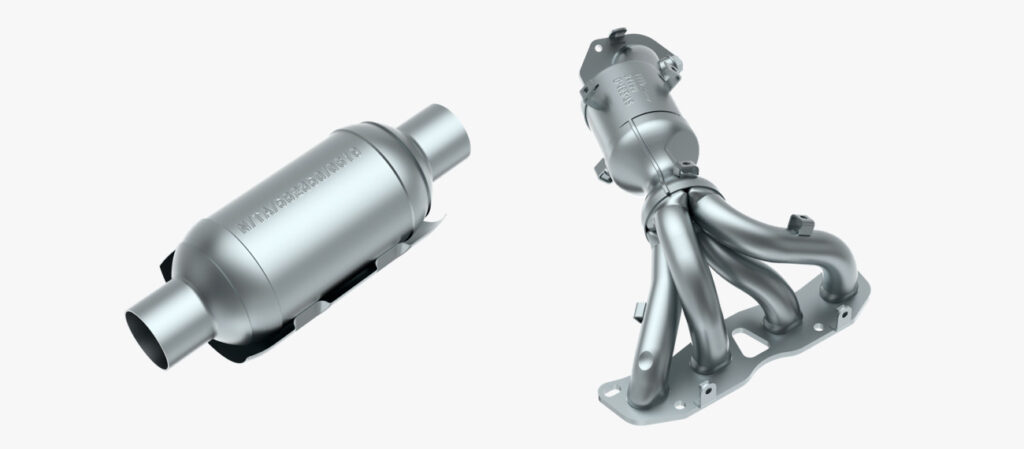
It’s important to remember that physical fitment alone doesn’t determine whether a catalytic converter is correct. Two converters can look similar or even fit the same exhaust system while having different emissions applications.
Can a CARB Converter Be Used on a Federal Vehicle?
A CARB-compliant catalytic converter is designed to meet the applicable California requirements and may also satisfy federal requirements. EPA materials have noted that converters manufactured for sale in California may meet federal requirements as well.
However, that doesn’t mean you should automatically purchase a CARB converter for every vehicle.
The converter still needs to be approved for the specific vehicle application. Engine size, model year, vehicle configuration, exhaust layout, and emissions system can all affect compatibility.
The safest approach is to verify the exact application before ordering.
Can an EPA Converter Be Used on a California Vehicle?
This is where customers need to be particularly careful.
A standard federal/EPA application does not automatically mean that the converter is suitable for a vehicle certified to California emissions standards.
California requirements can be more stringent, and CARB’s aftermarket converter procedures specifically address the emissions performance and application of replacement converters.
Therefore, if your vehicle requires a CARB-compliant converter, choosing a converter simply because it physically fits or is cheaper can create problems.
Always verify the emissions certification of the vehicle and the certification/application of the replacement converter before purchasing.
How Do You Know Which Catalytic Converter Your Vehicle Needs?
There are several ways to identify the correct emissions configuration.
1. Check the emissions label
Look under the hood for the Vehicle Emissions Control Information (VECI) label.
The label can indicate whether the vehicle conforms to federal requirements, California requirements, or both.
If the label indicates California certification or a 50-state configuration, that information is important when selecting emissions components.
2. Check the VIN
Your vehicle’s 17-character VIN can help a parts professional identify the exact vehicle configuration.
The VIN may be used alongside manufacturer and parts-catalogue information to determine:
- Engine configuration
- Model year
- Vehicle application
- Emissions configuration
- Correct catalytic converter application
This is one reason providing the complete VIN when ordering an emissions part can save time and prevent incorrect fitment.
3. Check the existing converter
The existing catalytic converter may carry identifying information, markings, or part numbers. However, don’t rely exclusively on the appearance or markings of the old converter.
If the converter was previously replaced with an incorrect part, using it as your only reference could simply repeat the original mistake.
Why the Correct Catalytic Converter Matters
Catalytic converters are not generic exhaust components.
EPA guidance emphasizes the importance of using the correct converter application and installing it properly. The converter’s type, location, configuration, and compatibility with the vehicle’s emissions system can affect its operation.
Using the wrong part can potentially result in:
- Check Engine Light issues
- Poor emissions performance
- OBD-related problems
- Premature converter failure
- Fitment problems
- Compliance concerns
The right converter is therefore about more than simply getting the exhaust system back together.
What About Universal Catalytic Converters?
Some aftermarket catalytic converters are designed as universal products that can cover multiple vehicle applications. Others are direct-fit converters designed for particular vehicles.
A universal converter may require additional installation work, while a direct-fit converter is designed around a particular vehicle application.
Regardless of the design, application and emissions compatibility should be verified before installation.
EPA guidance specifically stresses the importance of checking the application information to determine the correct converter for a vehicle.
Don't Choose a Catalytic Converter Based on Price Alone
When comparing two catalytic converters, the lower-priced option isn’t necessarily the correct option for your vehicle.
A converter that fits physically but isn’t designed for your vehicle’s emissions configuration may create additional costs if it needs to be removed and replaced.
Instead, compare:
- Vehicle compatibility
- Federal vs California emissions certification
- Direct-fit vs universal design
- Manufacturer specifications
- Warranty
- Installation requirements
- Overall value
Taking a few extra minutes to verify the application before ordering can help prevent an expensive mistake.
How West Can Auto Parts Can Help
Finding the correct catalytic converter doesn’t have to be complicated.
At West Can Auto Parts, our team understands that emissions parts need to be matched carefully to the vehicle application. Whether you’re looking for a Federal/EPA catalytic converter or a CARB-compliant option, providing your VIN and vehicle details can help our parts specialists identify the appropriate application.
With over four decades of experience supplying OEM and premium aftermarket parts and locations throughout British Columbia, West Can Auto Parts serves DIY customers, professional technicians, repair shops, and automotive businesses looking for quality parts at competitive prices.
Before ordering a catalytic converter, have your VIN ready and confirm the vehicle’s emissions configuration. If you’re unsure whether you need a Federal or CARB-compliant converter, talk to the parts experts at West Can Auto Parts before you buy.
Final Thoughts
CARB and EPA catalytic converters may look similar, but they are not necessarily interchangeable.
The key is to match the replacement converter to the vehicle’s emissions certification and exact application. Check the emissions label, use the VIN to verify the vehicle configuration, and confirm the catalytic converter’s application before purchasing.
Getting the right part the first time can save you time, money, and the frustration of dealing with an incorrect replacement.
When in doubt, verify before you buy.
Disclaimer:
This blog is for educational and informational purposes only. For accurate diagnosis and proper vehicle repairs, always consult a certified automotive technician.