

|

Silicone vs Rubber Radiator Hoses: Performance, Efficiency & Engine Life Explained

Sharing is Caring

When it comes to maintaining your vehicle’s cooling system, radiator hoses often don’t get the attention they deserve. Most drivers focus on components like the radiator, thermostat, or coolant itself—but overlook the hoses that keep everything flowing. In reality, radiator hoses play a critical role in ensuring cooling efficiency and protecting your engine from long-term damage.

Choosing between silicone and rubber radiator hoses isn’t just about cost or preference—it directly impacts how efficiently your cooling system operates and how long your engine lasts. In this guide, we’ll break down the differences between these materials and explain how radiator hoses influence overall engine health.

Understanding the Role of Radiator Hoses

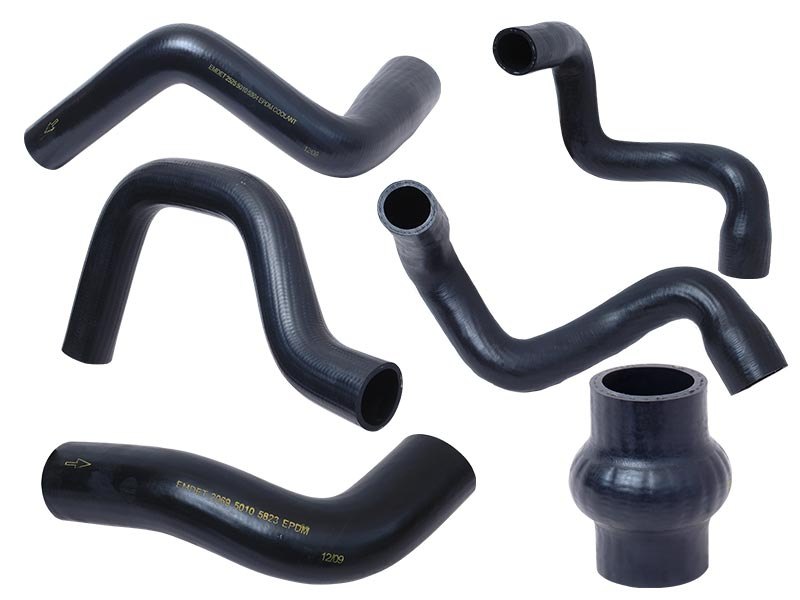
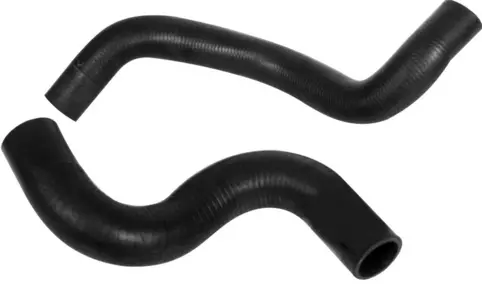
Radiator hoses are responsible for circulating coolant between the engine and the radiator. The upper hose carries hot coolant from the engine to the radiator, where heat is dissipated. The lower hose then returns cooled fluid back into the engine, maintaining a continuous cycle.

This process might sound simple, but it’s highly sensitive. Any restriction, leak, or inefficiency in the hose can disrupt coolant flow—leading to overheating, reduced performance, and even severe engine damage.

radiator-hoses

Why Radiator Hose Material Matters

Radiator hoses operate under intense conditions. They are constantly exposed to:

  • High engine temperatures
  • Pressure fluctuations
  • Chemical interactions with coolant
  • External environmental stress (weather, debris, contaminants)

Because of this, the material used in the hose determines how well it can handle these challenges over time.

Rubber Radiator Hoses: The Traditional Choice

Rubber hoses have been the industry standard for decades—and for good reason. They are cost-effective, widely available, and suitable for most everyday driving conditions.

Advantages of Rubber Hoses:
  • Affordability: Ideal for budget-conscious vehicle owners
  • Flexibility: Easy to install and fit into tight engine compartments
  • Availability: Compatible with most vehicles and easy to source
Limitations of Rubber Hoses:
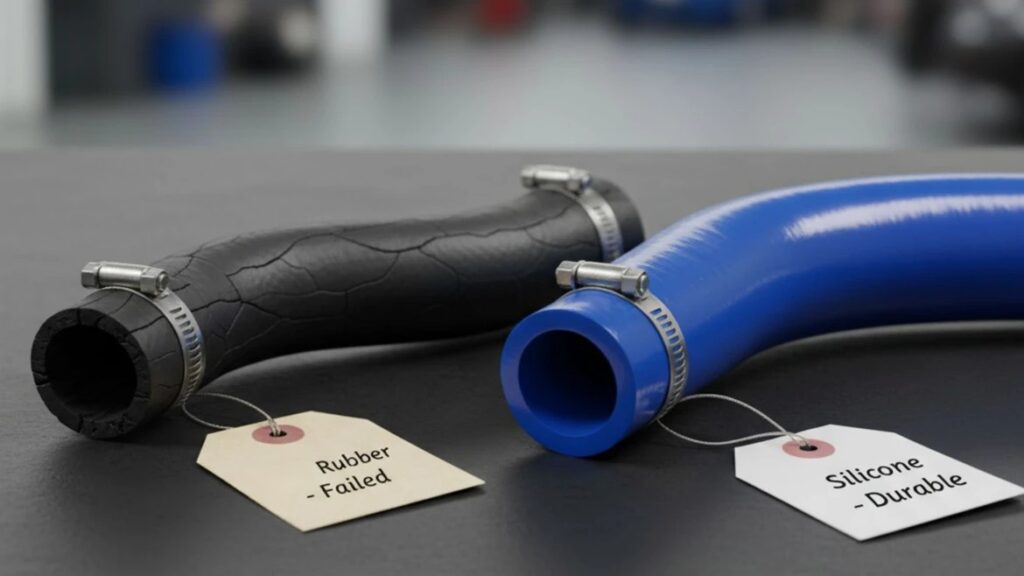
  • Heat degradation: Over time, constant exposure to heat causes rubber to harden and crack 
  • Chemical wear: Coolant and contaminants can break down the internal structure 
  • Shorter lifespan: Typically requires replacement every few years 

Rubber hoses perform well under normal conditions, but they tend to wear out faster—especially in extreme climates or high-performance applications.

Silicone Radiator Hoses: The Performance Upgrade

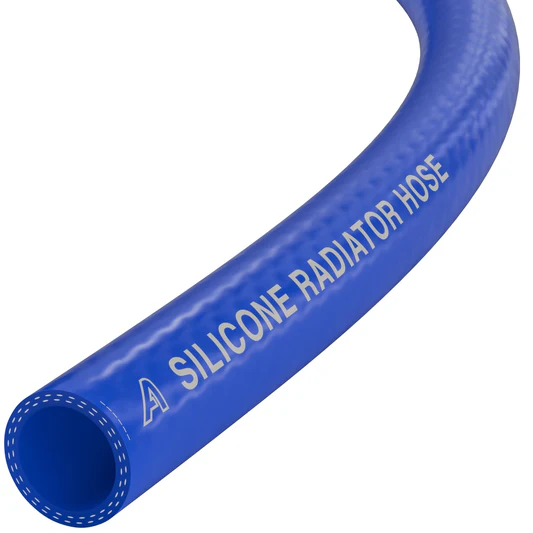
Silicone hoses are designed to withstand more demanding conditions, making them increasingly popular among performance enthusiasts and drivers in harsh environments.

Advantages of Silicone Hoses:
  • Superior heat resistance: Can handle higher temperatures without degrading 
  • Longer lifespan: More durable and less prone to cracking 
  • Enhanced flexibility: Maintains structure under pressure without collapsing 
  • Better resistance to environmental factors: Less affected by UV rays, ozone, and extreme weather
Limitations of Silicone Hoses:
  • Higher upfront cost
  • Not always necessary for standard driving conditions

While silicone hoses require a higher initial investment, they often pay off in the long run through improved durability and reduced maintenance.

Silicone vs Rubber: Which Performs Better?

The answer depends on how and where you drive—but from a purely performance standpoint, silicone hoses generally outperform rubber hoses.

  • In high-temperature environments, silicone maintains its integrity far better 
  • Under pressure fluctuations, silicone resists expansion and deformation 
  • Over time, silicone experiences less wear and tear, reducing the risk of sudden failure

However, for daily drivers in moderate climates, rubber hoses can still provide reliable performance when properly maintained.

The key is aligning your choice with your vehicle’s usage, environment, and long-term maintenance goals.

How Radiator Hoses Impact Cooling System Efficiency

Radiator hoses are not just passive components—they actively influence how efficiently your cooling system functions.

1. Coolant Flow Consistency

A high-quality hose ensures smooth and uninterrupted coolant flow. Poor-quality or worn-out hoses can restrict circulation, reducing heat transfer efficiency.

2. Pressure Management

Cooling systems rely on maintaining proper pressure. Weak hoses may expand or collapse under pressure, disrupting system balance and reducing performance.

3. Leak Prevention

Even minor leaks can lead to coolant loss, which compromises the system’s ability to regulate temperature. Over time, this can significantly reduce cooling efficiency.

4. Temperature Stability

Efficient hoses help maintain consistent engine temperature, preventing fluctuations that can affect performance and fuel efficiency.

The Connection Between Radiator Hoses & Engine Longevity

Your engine’s lifespan is closely tied to how well it manages heat. Radiator hoses play a crucial role in this process.

Preventing Overheating

A failed or inefficient hose can quickly lead to overheating, which is one of the most common causes of engine damage.

Reducing Component Wear

Consistent cooling minimizes thermal stress on engine components, reducing wear and extending their lifespan.

Avoiding Costly Repairs

A simple hose failure can escalate into major repairs—such as warped cylinder heads or damaged gaskets—if not addressed in time.

Ensuring Reliability

High-quality hoses reduce the risk of unexpected breakdowns, giving you peace of mind on the road.

When Should You Replace Radiator Hoses?

Regardless of the material, radiator hoses should be inspected regularly. Look out for:

  • Cracks or visible wear 
  • Bulging or soft spots 
  • Coolant leaks or residue 
  • Hardened or brittle texture

As a general rule, rubber hoses may need replacement every 4–5 years, while silicone hoses can last significantly longer depending on usage.

Choosing the Right Radiator Hose for Your Vehicle

When selecting a radiator hose, consider the following:

  • Driving conditions: Extreme heat or cold may require silicone 
  • Vehicle usage: Performance vehicles benefit more from silicone upgrades 
  • Budget vs long-term value: Rubber is cheaper upfront, silicone offers durability 
  • Compatibility: Ensure proper fitment for your specific vehicle

Making the right choice can improve not just cooling performance, but overall vehicle reliability.

Why Choose West Can Auto Parts?

At West Can Auto Parts, we understand that even the smallest components can have a big impact on your vehicle’s performance. That’s why we offer a wide range of high-quality radiator hoses—from dependable rubber options to premium-grade solutions built for durability and performance.

With trusted brands, expert support, and a commitment to quality, we help you choose the right parts to keep your cooling system running efficiently and your engine protected for the long haul.

Final Thoughts

Radiator hoses may seem like a minor detail, but they are essential to your vehicle’s cooling system and overall engine health. Whether you choose rubber for its affordability or silicone for its performance advantages, understanding their impact can help you make smarter maintenance decisions.

Investing in the right radiator hose—and replacing it at the right time—can go a long way in improving cooling efficiency, preventing breakdowns, and extending the life of your engine.

Disclaimer:

This blog is for educational and informational purposes only. For accurate diagnosis and proper vehicle repairs, always consult a certified automotive technician.

Similar Posts

Leave a Reply

Your email address will not be published. Required fields are marked *