

Radiator Hose Failure: Causes, Symptoms & How to Choose the Right Replacement
Your vehicle’s cooling system is only as strong as its weakest link—and more often than not, that weak link is the radiator hose. While it may seem like a simple rubber or silicone tube, the radiator hose plays a critical role in maintaining engine temperature, preventing overheating, and ensuring long-term engine health.
In this blog, we’ll break down the top causes of radiator hose failure, how to prevent them, and how choosing the right hose material can significantly impact your vehicle’s cooling efficiency and engine longevity.
What Do Radiator Hoses Actually Do?
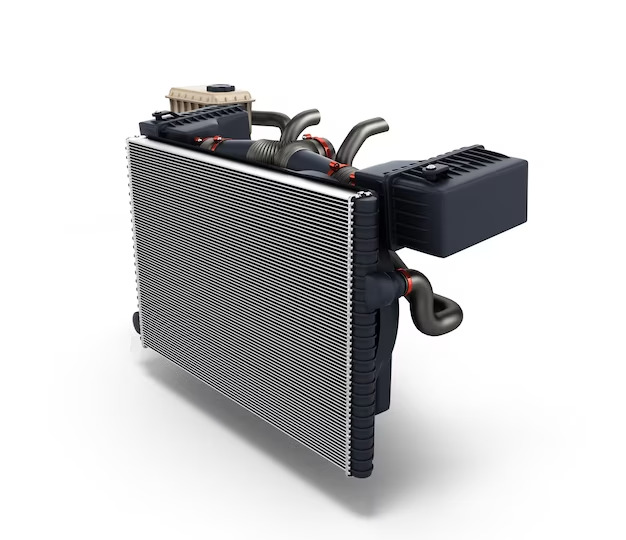
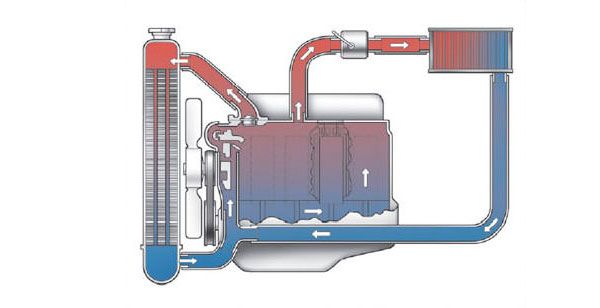
Radiator hoses are responsible for transporting coolant between the engine and the radiator. Typically, there are two main hoses:
- Upper radiator hose: Carries hot coolant from the engine to the radiator
- Lower radiator hose: Returns cooled fluid back to the engine
This continuous flow helps regulate engine temperature and prevents overheating—making radiator hoses a vital component in your vehicle’s performance.
Top Causes of Radiator Hose Failure
Radiator hoses operate under extreme conditions—high temperatures, pressure fluctuations, and constant exposure to coolant chemicals. Over time, these factors can lead to failure. Here are the most common causes:
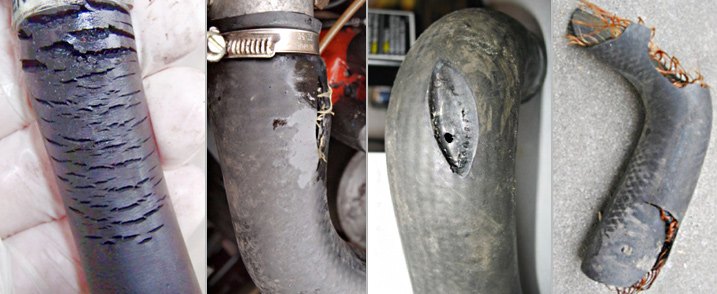
1. Heat & Pressure Degradation
Constant exposure to engine heat causes hoses to harden, crack, or become brittle. Combined with internal pressure, this weakens the hose structure over time.
2. Coolant Contamination
Old or contaminated coolant can become acidic, leading to internal corrosion and deterioration of the hose material.
3. Oil & Chemical Exposure
Leaks from nearby components (like oil or transmission fluid) can degrade rubber hoses, making them soft and prone to swelling or rupture.
4. Poor Quality Materials
Low-grade rubber hoses often fail prematurely due to inferior construction and reduced resistance to heat and chemicals.
5. Improper Installation or Clamping
Loose or overtightened clamps can lead to leaks, stress points, or hose damage.
How to Prevent Radiator Hose Failures
Preventing hose failure is easier (and cheaper) than dealing with engine overheating or breakdowns. Here’s how you can stay ahead:
- Inspect regularly: Look for cracks, bulges, or soft spots
- Check for leaks: Even minor seepage can indicate early failure
- Replace coolant on schedule: Clean coolant reduces internal wear
- Ensure proper clamp tension: Not too tight, not too loose
- Replace hoses proactively: Typically every 4–5 years or as recommended
Routine maintenance not only prevents breakdowns but also ensures your cooling system and cooling system parts performs at its best.
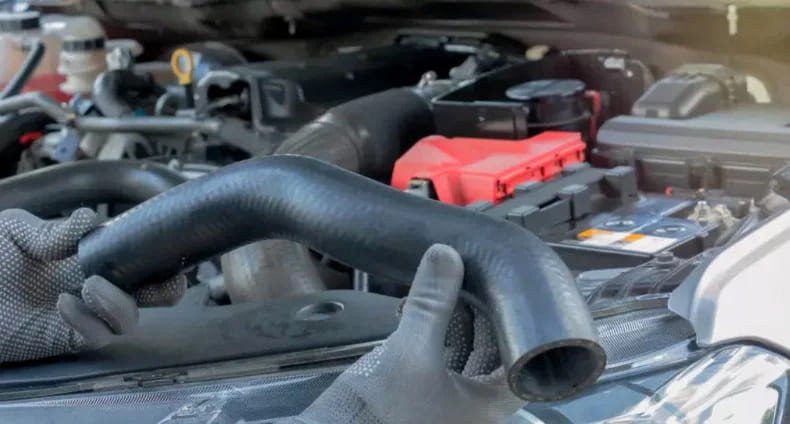
Choosing the Right Radiator Hose: Material Matters
Not all radiator hoses are created equal. The material you choose directly impacts durability, performance, and resistance to extreme conditions.
Rubber Radiator Hoses
Pros:
- Cost-effective
- Widely available
- Suitable for standard driving conditions
Cons:
- Prone to cracking over time
- Less resistant to extreme heat and chemicals
Silicone Radiator Hoses
Pros:
- Superior heat resistance
- Longer lifespan
- Better flexibility and durability
- Ideal for high-performance or extreme climates
Cons:
- Higher upfront cost
If you’re driving in harsh weather conditions or pushing your vehicle harder than usual, silicone hoses are a worthwhile upgrade for long-term reliability.
How Radiator Hoses Impact Cooling Efficiency
A properly functioning radiator hose ensures smooth and uninterrupted coolant flow. However, even minor issues can affect overall cooling performance:
- Restricted flow from internal collapse or buildup reduces heat dissipation
- Leaks lead to coolant loss, increasing engine temperature
- Weak hoses may expand under pressure, reducing efficiency
Efficient coolant circulation means your engine stays within optimal temperature ranges—improving fuel efficiency, reducing wear, and preventing costly repairs.
The Link Between Radiator Hoses & Engine Longevity
Ignoring radiator hose health can have serious consequences for your engine:
- Overheating can warp cylinder heads
- Coolant loss can damage internal components
- Sudden hose failure can leave you stranded
On the flip side, investing in high-quality hoses and regular maintenance can:
- Extend engine lifespan
- Improve overall vehicle reliability
- Reduce long-term repair costs
Simply put, a small component like a radiator hose can make a big difference in how long your engine lasts.
Final Thoughts
Radiator hoses may not be the most glamorous part of your vehicle, but they are undeniably one of the most important. Understanding the causes of failure, taking preventive steps, and choosing the right material can go a long way in ensuring your cooling system performs efficiently.
At West Can Auto Parts, we offer a wide range of high-quality radiator hoses designed to withstand extreme conditions and deliver long-lasting performance. Whether you’re looking for reliable rubber hoses or premium silicone upgrades, we’ve got you covered with trusted brands and expert support.
Disclaimer:
This blog is for educational and informational purposes only. For accurate diagnosis and proper vehicle repairs, always consult a certified automotive technician.