
Check Engine Light On? Common OBD2 Codes, Causes, Safety Tips & How to Fix It
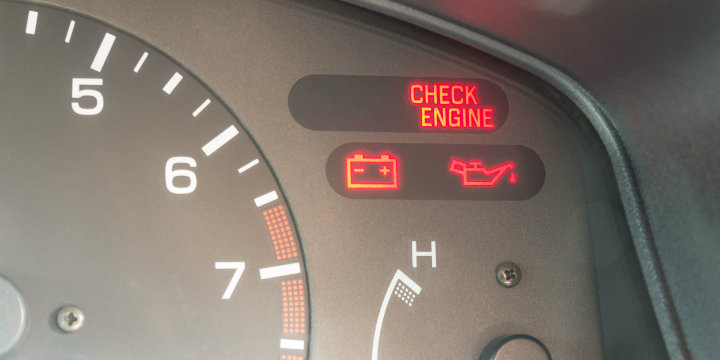
Few things make drivers more nervous than seeing the Check Engine Light (CEL) illuminate on the dashboard. Whether it appears suddenly during your daily commute or stays on after you’ve already repaired the vehicle, it’s a warning that shouldn’t be ignored.
While the problem could be as simple as a loose fuel cap, it could also indicate serious issues affecting your engine, emissions system, ignition, or transmission.
The good news is that modern vehicles are equipped with an On-Board Diagnostics (OBD-II) system that stores diagnostic trouble codes (DTCs), making it easier to identify the source of the problem.
In this guide, we’ll explain:
- What to do when the Check Engine Light comes on
- Whether it’s safe to continue driving
- The most common OBD2 trouble codes
- Why the light sometimes returns after repairs
- When you should (and shouldn’t) clear diagnostic codes
Let’s get started.
What Should You Do When the Check Engine Light Comes On?
The first rule is simple:
Don’t panic.
A Check Engine Light doesn’t always mean an expensive repair.
Instead, follow these steps:
1. Check if the light is steady or flashing
A steady light usually indicates a non-emergency issue that should be diagnosed soon.
A flashing Check Engine Light often signals a severe engine misfire that could damage the catalytic converter. In this case, reduce speed immediately and avoid driving if possible.
2. Check your fuel cap
One of the most common reasons for a Check Engine Light is a loose or damaged gas cap.
Tighten it properly and drive for a few trips. The light may turn off on its own.
3. Notice any symptoms
Ask yourself:
- Is the engine shaking?
- Is fuel economy worse?
- Is the vehicle losing power?
- Is there excessive exhaust smoke?
- Are there unusual noises?
These clues can help identify the underlying issue.
4. Scan the vehicle with an OBD2 Scanner
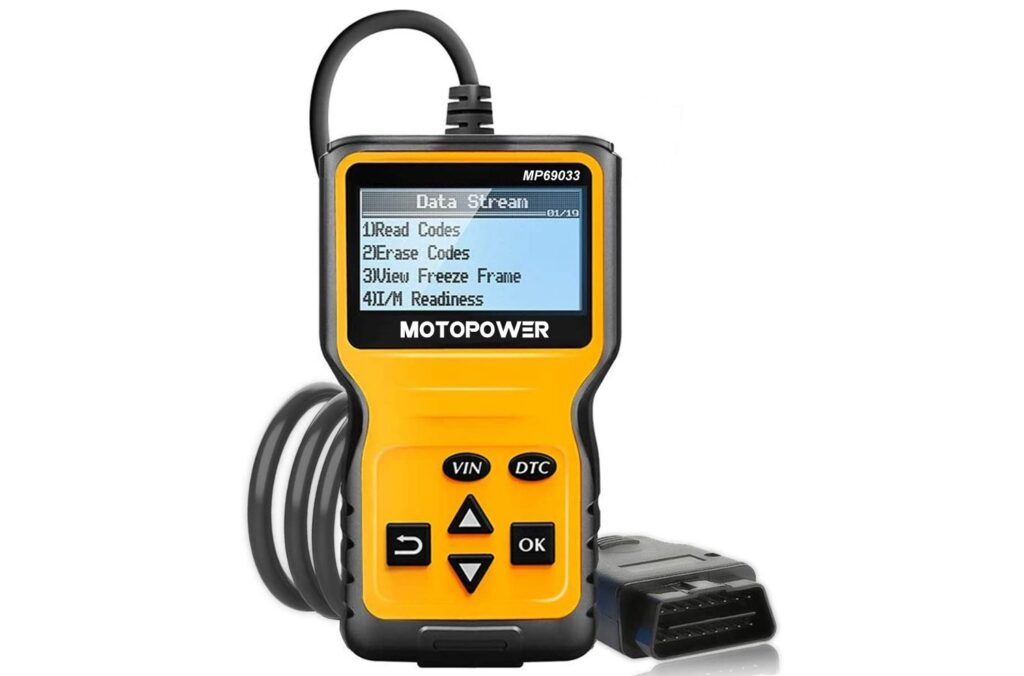
Instead of guessing, plug an OBD2 scanner into the diagnostic port beneath the dashboard.
Within seconds, you’ll receive a trouble code that points toward the affected system.
Is It Safe to Drive with the Check Engine Light On?
The answer depends on how the light behaves.
Generally Safe (for a short period)
- Steady Check Engine Light
- No strange noises
- Vehicle drives normally
- No overheating
You should still diagnose the issue as soon as possible.
Stop Driving Immediately If
- The light is flashing
- Engine is misfiring
- Engine temperature is rising
- Oil pressure warning appears
- Heavy smoke comes from the exhaust
Driving under these conditions can result in costly engine or catalytic converter damage.
Top 15 Most Common OBD2 Trouble Codes
Here are some of the most frequently encountered diagnostic codes and what they usually mean.
|
Code
|
Meaning
|
|---|---|
|
P0420
|
Catalytic Converter Efficiency Below Threshold
|
|
P0171
|
System Too Lean (Bank 1)
|
|
P0174
|
System Too Lean (Bank 2)
|
|
P0300
|
Random Cylinder Misfire
|
|
P0301–P0308
|
Cylinder-Specific Misfire
|
|
P0442
|
Small EVAP Leak
|
|
P0455
|
Large EVAP Leak
|
|
P0456
|
Very Small EVAP Leak
|
|
P0128
|
Coolant Temperature Below Thermostat Regulation
|
|
P0101
|
Mass Air Flow Sensor Performance
|
|
P0113
|
Intake Air Temperature Sensor High Input
|
|
P0135
|
Oxygen Sensor Heater Circuit
|
|
P0141
|
Rear Oxygen Sensor Heater Fault
|
|
P0401
|
EGR Flow Insufficient
|
|
P0507
|
Idle Speed Higher Than Expected
|
Remember that these codes identify the affected system—not necessarily the exact failed component. Further testing is often needed before replacing parts.
Why Does the Check Engine Light Keep Coming Back?
Many drivers become frustrated when the Check Engine Light returns days or weeks after it was cleared.
Common reasons include:
The original problem wasn't fixed
Replacing a part without confirming the root cause can allow the fault to return.
Poor-quality replacement parts
Low-quality sensors, ignition coils, spark plugs, or oxygen sensors may not perform as expected, causing recurring issues.
Intermittent electrical faults
Damaged wiring, loose connectors, or corrosion can create sporadic faults that are difficult to detect.
Multiple underlying problems
A vehicle may have more than one issue. Fixing one fault may reveal another that was previously masked.
Codes were cleared without repairs
Erasing codes doesn’t fix the mechanical or electrical problem. Once the vehicle completes its self-tests, the light will often return.
How to Clear Check Engine Codes (And When You Shouldn't)
Most OBD2 scanners allow users to erase stored trouble codes with a few button presses.
However, clearing codes should only be done after diagnosing and repairing the underlying issue.
Safe Times to Clear Codes
- After replacing the faulty component
- After confirming the repair
- To verify that the fault does not return during a road test
Avoid Clearing Codes If
- You haven’t diagnosed the problem
- The Check Engine Light is flashing
- You’re preparing for an emissions inspection
- The vehicle has drivability issues
Clearing codes prematurely also erases valuable diagnostic information, such as freeze-frame data, which can help identify the conditions under which the fault occurred.
Why Every Driver Should Own an OBD2 Scanner
An OBD2 scanner is one of the most useful tools a vehicle owner can keep in the glove box. It can help you:
- Read and clear diagnostic trouble codes
- View live engine data
- Monitor sensor performance
- Detect issues early
- Save time and unnecessary repair costs
- Make informed decisions before visiting a repair shop
Whether you’re a DIY enthusiast or simply want peace of mind, an OBD2 scanner provides valuable insight into your vehicle’s health.
Final Thoughts
A Check Engine Light doesn’t always indicate a major failure, but it should never be ignored. Understanding what the warning means, recognizing common OBD2 trouble codes, knowing when it’s safe to drive, and using an OBD2 scanner to diagnose issues can help you address problems before they become expensive repairs.
Rather than guessing or replacing parts at random, rely on accurate diagnostics and quality replacement components to keep your vehicle running smoothly.
Diagnose with Confidence Using Quality Parts from West Can Auto Parts
When your Check Engine Light comes on, having the right diagnostic tools and dependable replacement parts makes all the difference. At West Can Auto Parts, we offer a wide selection of premium aftermarket and OEM-quality components, including ignition coils, spark plugs, oxygen sensors, MAF sensors, thermostats, fuel system parts, EVAP components, and more to help resolve common OBD2 trouble codes.
Our knowledgeable team can also help you identify the correct part for your vehicle, ensuring a reliable repair the first time. Whether you’re a DIY enthusiast or a professional technician, West Can Auto Parts is your trusted source for quality automotive parts, competitive pricing, and expert service.
Need help diagnosing a Check Engine Light? Visit your nearest West Can Auto Parts location or shop online for the parts and tools you need to get back on the road with confidence.
Disclaimer:
This blog is for educational and informational purposes only. For accurate diagnosis and proper vehicle repairs, always consult a certified automotive technician.