
Federal vs California Emissions: How to Tell Which Parts Your Vehicle Actually Needs
Imagine ordering a catalytic converter, waiting three days, and discovering it doesn’t fit your vehicle—not because of the engine, but because your truck has a California Emissions package.
This happens every day with vehicles like the Chevrolet Silverado, GMC Sierra, Honda Accord, Toyota Camry, and Ford F-150. Two vehicles from the same year can look identical but require completely different emissions components.
Which Catalytic Converter is Correct?
In this guide, you’ll learn exactly how to identify your emissions system before buying replacement parts.
What does Federal vs California Emissions actually mean?
Federal (EPA)
Meets nationwide EPA emissions standards and is used in most U.S. states.
California (CARB)
Built to stricter California Air Resources Board standards with more rigorous emissions requirements.
California is the only U.S. state allowed to establish its own vehicle emissions standards, and several other states have adopted those same rules.
The easiest way to identify your vehicle
Method 1 (Best): Check the under-hood emissions label
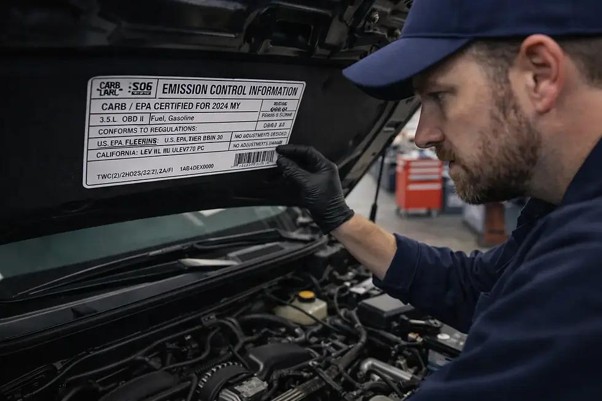
Open the hood and locate the Vehicle Emission Control Information (VECI) sticker.
Look for phrases like:
- This vehicle conforms to U.S. EPA regulations → Federal
- This vehicle conforms to California regulations → California
- 50-State / EPA & California → CARB compatible
This label is the most reliable identification method.
Method 2: Decode the VIN (with caution)
The VIN can help identify the vehicle configuration, but it does not always directly reveal the emissions package. Parts catalogs typically cross-reference the VIN with manufacturer build data.
Which Catalytic Converter is Correct?
Method 3: Check the driver's door label or original build sheet
Some manufacturers include emissions information in factory documentation, especially GM and Toyota vehicles.
Which states require CARB-compliant parts?
These states commonly require CARB-compliant emissions parts for applicable vehicles:
- California
- New York
- New Jersey
- Washington
- Oregon
- Colorado
- Massachusetts
- Connecticut
- Vermont
- Rhode Island
- Maine
- Maryland
- Delaware
- Pennsylvania
- Nevada (certain applications)
If your vehicle is registered in one of these states, installing an EPA-only catalytic converter may cause inspection failure.
Parts affected by the emissions package
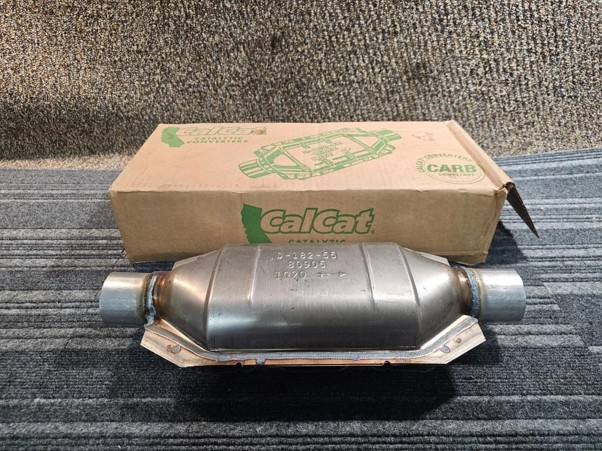
The emissions package affects more than just the catalytic converter.
|
Part
|
May differ?
|
|---|---|
|
Catalytic Converter
|
✅ Yes
|
|
Exhaust Manifold
|
✅ Sometimes
|
|
Oxygen Sensors
|
✅ Yes
|
|
Air/Fuel Ratio Sensors
|
✅ Yes
|
|
ECU Calibration
|
✅ Yes
|
|
❌ Usually No
|
The catalytic converter is the component most commonly ordered incorrectly. CARB units are built and certified differently from standard EPA converters.
Can I install a Federal converter on a California vehicle?
Short answer: Usually no.
If your vehicle was originally certified as California emissions:
- It may fail the visual inspection.
- It may trigger P0420 or P0430 catalyst efficiency codes.
- It may not be legal in CARB-regulated states.
Conversely, installing a CARB converter on a Federal vehicle is generally acceptable if the application is approved, though it’s often more expensive.
Which Catalytic Converter is Correct?
Common vehicles with both emissions options
These models frequently came in both Federal and California versions:
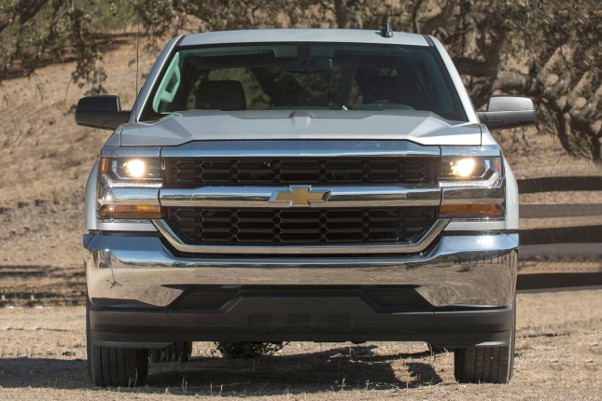
Chevrolet Silverado 1500
2014–2018 • Always verify emissions before ordering exhaust parts.
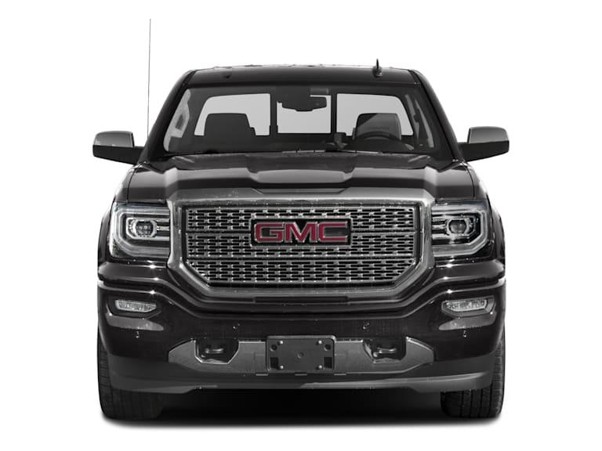
GMC Sierra 1500
2014–2018 • Federal and California configurations exist.
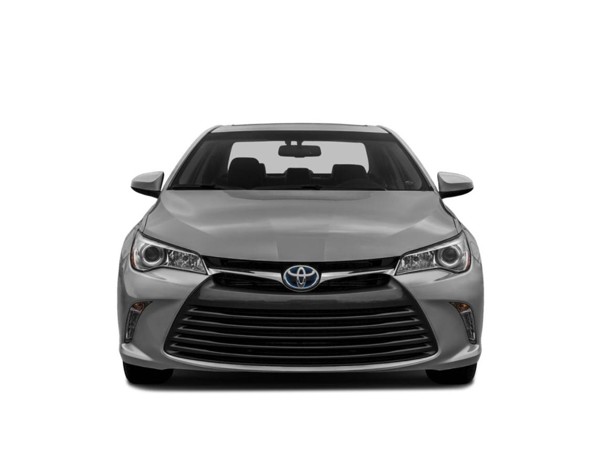
Toyota Camry
2012–2017 • Emissions package changes catalytic converter selection.
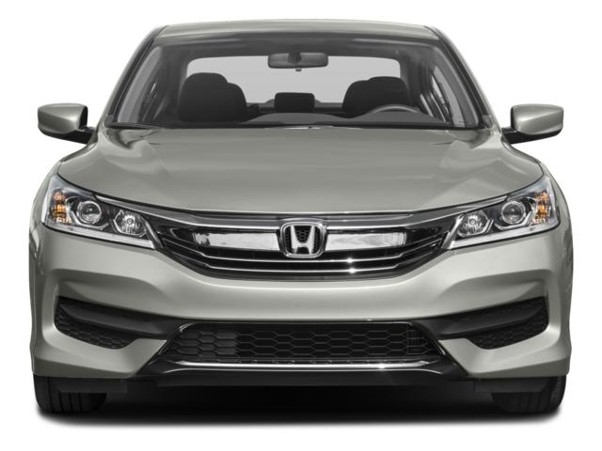
Honda Accord
2013–2017 • Check the under-hood label before buying.
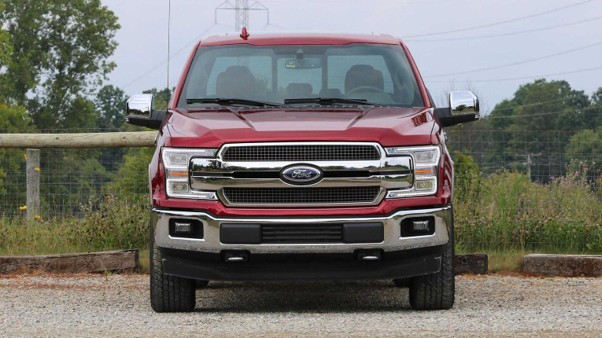
Ford F-150
2015–2020 • Different exhaust systems may share the same engine.
Two trucks with identical 5.3L engines can still require different exhaust systems depending on the emissions certification.
Buyer checklist before ordering
- Check the under-hood emissions label
- Confirm vehicle year, make, model & engine
- Verify your registration state (U.S.)
- Match the VIN in the parts catalog
- Confirm whether the part is EPA or CARB approved
- This 60-second check can save hundreds of dollars in returns and installation costs.
Conclusion
At West Can Auto Parts, we know emissions-related parts are among the most confusing automotive purchases. Whether you need an EPA Federal or CARB California catalytic converter, oxygen sensor, or complete exhaust assembly, our parts specialists can help you identify the correct fit using your VIN and vehicle specifications before you order.
Why buy from West Can Auto Parts?
- OEM & premium aftermarket emissions parts
- VIN-assisted part verification
- Fast shipping across Canada
- Expert customer support to reduce incorrect orders
Need help identifying your emissions package? Contact West Can Auto Parts with your VIN, and we’ll help you find the correct replacement part.
Disclaimer:
This blog is for educational and informational purposes only. For accurate diagnosis and proper vehicle repairs, always consult a certified automotive technician.