

Car AC Compressor Problems? Complete Guide to Symptoms, Causes, Replacement & Maintenance
Nothing is more frustrating than turning on your vehicle’s air conditioning during a hot summer day only to be greeted by warm air. While several components contribute to your vehicle’s cooling system, the AC compressor is often considered the heart of the entire air conditioning system. When it fails, your comfort disappears—and if left unchecked, repairs can become significantly more expensive.
Whether you’re experiencing poor cooling performance, unusual noises, or an AC system that refuses to work altogether, understanding how your AC compressor functions can help you identify problems early and make informed repair decisions.
In this comprehensive guide, we’ll explain how a car AC compressor works, common symptoms of failure, the causes behind compressor damage, repair versus replacement options, maintenance tips, and how to choose the right replacement compressor.
What Does a Car AC Compressor Do?
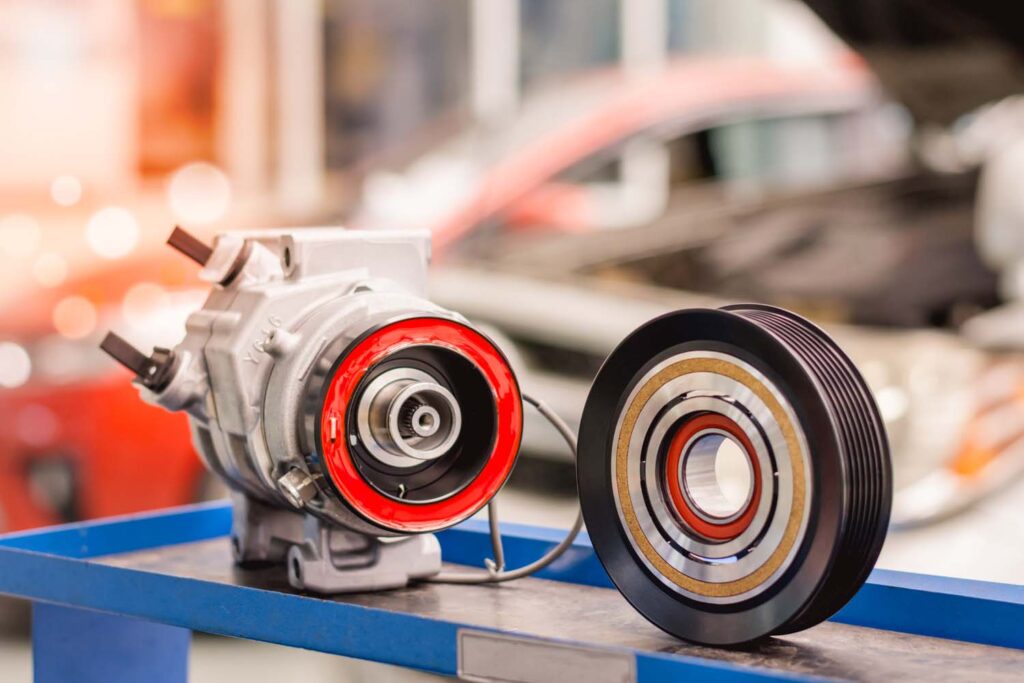
The AC compressor is the primary component responsible for circulating refrigerant throughout your vehicle’s air conditioning system. Driven by the engine through a serpentine belt—or electrically in many hybrid and electric vehicles—it compresses low-pressure refrigerant gas into high-pressure gas before sending it to the condenser.
This continuous cycle enables your vehicle to remove heat from the cabin and provide cool, comfortable air.
Without a functioning compressor, the entire AC system becomes ineffective.

How the Car Air Conditioning System Works
A vehicle’s AC system consists of several interconnected components:
- AC Compressor
- Condenser
- Receiver/Drier or Accumulator
- Expansion Valve or Orifice Tube
- Evaporator
- Refrigerant
- Cabin Air Filter
The compressor pressurizes refrigerant, the condenser releases heat, the expansion valve lowers refrigerant pressure, and the evaporator absorbs cabin heat before cool air is blown inside the vehicle.
Because every component depends on the others, diagnosing the root cause of an AC issue is essential before replacing parts.
10 Signs Your Car AC Compressor Is Failing
1. Warm Air from the Vents
One of the earliest warning signs is warm or mildly cool air despite the AC being set to maximum cooling.
2. Loud Grinding or Screeching Noises
Internal compressor bearings or damaged components often produce grinding, squealing, or rattling noises when the AC is turned on.
3. Compressor Clutch Not Engaging
If the compressor clutch fails to engage, refrigerant won’t circulate and cooling stops completely.
4. AC Cycles On and Off Frequently
Rapid cycling may indicate pressure issues, electrical faults, or internal compressor wear.
5. Refrigerant Leaks
Oil or refrigerant leaking around the compressor housing is a common indicator of seal failure.
6. Burning Smell
An overheating compressor clutch or seized internal components can generate a noticeable burning odor.
7. Reduced Cooling During Idle
If your AC cools while driving but not while idling, the compressor may be losing efficiency.
8. Visible Damage
Corrosion, damaged pulleys, cracked housings, or excessive rust may indicate replacement is necessary.
9. High Cabin Humidity
A struggling compressor often fails to properly remove humidity from the cabin.
10. Complete AC Failure
In advanced stages of failure, the compressor may seize completely, preventing the system from functioning.
Why Is My Car AC Blowing Warm Air?
Although a faulty compressor is a common culprit, warm air may also result from:
- Low refrigerant levels
- Refrigerant leaks
- Failed condenser
- Damaged expansion valve
- Electrical faults
- Blown fuses
- Faulty pressure switches
- Clogged cabin air filter
Proper diagnosis helps prevent replacing expensive parts unnecessarily.

What Causes an AC Compressor to Fail?
Several factors can shorten compressor life:
Low Refrigerant
Insufficient refrigerant reduces lubrication and causes excessive wear.
Dirty Refrigerant
Contaminated refrigerant introduces debris into internal compressor components.
Moisture in the System
Moisture causes corrosion and acid formation inside the AC system.
Lack of Regular Use
Running your AC periodically—even during winter—helps keep internal seals lubricated.
Worn Bearings
High mileage naturally leads to bearing wear over time.
Belt Problems
A loose or damaged serpentine belt can prevent proper compressor operation.
Can You Drive with a Bad AC Compressor?
Technically, yes—but it isn’t recommended.
Ignoring compressor problems may result in:
- Compressor seizure
- Belt damage
- Metal contamination throughout the AC system
- Damage to the condenser and expansion valve
- Much higher repair costs
Early replacement often prevents secondary damage.
Should You Repair or Replace an AC Compressor?
Minor issues like a faulty clutch or pulley may sometimes be repaired.
However, replacement is generally recommended when:
- Internal components fail
- Metal debris contaminates the system
- The compressor seizes
- Multiple internal parts are damaged
A new compressor offers greater reliability and often includes warranty protection.
OEM vs Aftermarket AC Compressors
Vehicle owners often wonder which option offers better value.
OEM Compressors
Pros
- Exact factory specifications
- Guaranteed compatibility
- Excellent reliability
Cons
- Higher purchase price
Quality Aftermarket Compressors
Pros
- More affordable
- Excellent performance from reputable manufacturers
- Wide availability
- Strong warranty options
Cons
- Quality varies by manufacturer
Purchasing from trusted automotive parts suppliers ensures dependable performance and proper fitment.
How Long Does an AC Compressor Last?
Most AC compressors last between 8 and 12 years or approximately 100,000 to 150,000 miles, depending on:
- Driving conditions
- Climate
- Maintenance
- Refrigerant condition
- Frequency of AC usage
Regular maintenance significantly extends compressor life.
7 Tips to Make Your AC Compressor Last Longer
- Run your AC regularly—even during colder months.
- Replace the cabin air filter according to your vehicle manufacturer’s recommendations.
- Repair refrigerant leaks immediately.
- Keep the condenser clean.
- Avoid overcharging or undercharging refrigerant.
- Service the AC system periodically.
- Address unusual noises before they become major failures.
Preventive maintenance is almost always less expensive than replacing major AC components.
Vehicle Models That Commonly Require AC Compressor Replacement
Over time, compressors naturally wear out in many high-mileage vehicles. Replacement is commonly performed on popular models such as:
- Honda CR-V
- Toyota RAV4
- Ford F-150
- Jeep Wrangler
- Dodge RAM
- Chevrolet Silverado
- Nissan Rogue
- Mazda 3
Regardless of vehicle make or model, using a quality replacement compressor helps restore reliable cooling performance.
Choosing the Right Replacement Compressor
When selecting a replacement compressor, consider:
- Vehicle year, make, and model
- Engine size
- Refrigerant compatibility
- OEM specifications
- Warranty coverage
- Brand reputation
Replacing related components such as the receiver/drier, expansion valve, and O-rings during installation can also improve long-term system reliability.
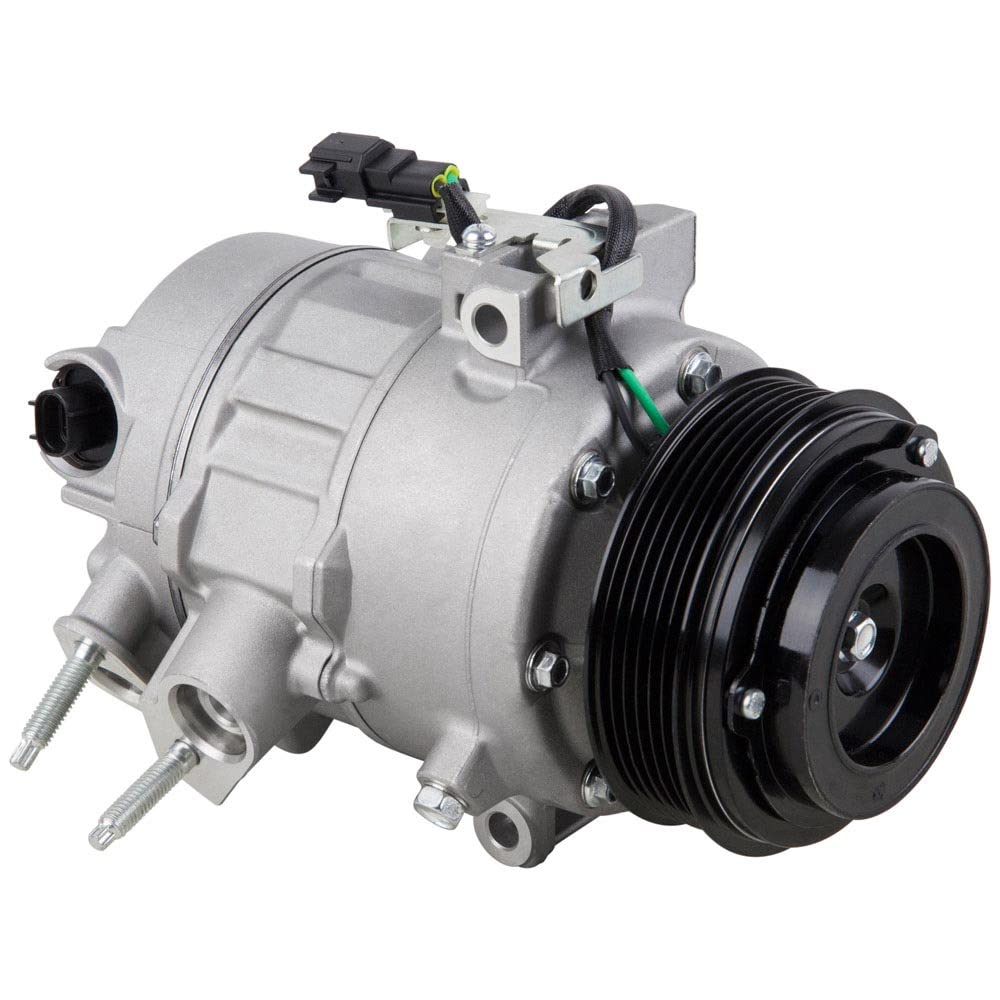
Keep Your Vehicle Cool with Quality AC Parts from West Can Auto Parts
If your vehicle’s air conditioning isn’t keeping you comfortable, don’t wait until a minor issue becomes a major repair.
West Can Auto Parts offers a wide selection of premium-quality AC compressors and air conditioning components for domestic, Asian, and European vehicles. Whether you’re a professional repair shop or a DIY enthusiast, our knowledgeable team can help you find the correct replacement parts for your vehicle.
With nine convenient locations across British Columbia, online ordering, in-store pickup, delivery options, and knowledgeable customer support, West Can Auto Parts makes it easy to get back on the road with confidence.
Browse our extensive selection of automotive air conditioning parts or contact your nearest West Can Auto Parts location for expert assistance.
Frequently Asked Questions
Q. Can a bad AC compressor affect fuel economy?
Yes. A failing compressor can place additional strain on the engine, potentially reducing fuel efficiency.
Q. Should I replace other AC components when replacing the compressor?
It’s often recommended to replace the receiver/drier or accumulator, expansion valve (or orifice tube), seals, and flush the system to help ensure long-term reliability.
Q. Is replacing an AC compressor a DIY job?
Because the system must be evacuated, recharged, and handled with specialized equipment, compressor replacement is generally best left to qualified technicians.
Q. How often should I service my vehicle’s AC system?
A general inspection every 2–3 years—or sooner if cooling performance declines—can help detect issues before they become major repairs.
Disclaimer:
This blog is for educational and informational purposes only. For accurate diagnosis and proper vehicle repairs, always consult a certified automotive technician.