
7 Driving Habits That Destroy Your Clutch (And How to Make It Last Longer)
A clutch is one of the most expensive wear-and-tear components in a manual transmission vehicle, yet many drivers shorten its lifespan without even realizing it. Two identical cars can have completely different clutch lives simply because of the way they’re driven. Research and manufacturer guidance consistently show that excessive clutch slipping, hill holding, aggressive launches, and poor pedal habits generate unnecessary heat—the biggest enemy of clutch longevity.
If you’ve already read our Clutch Noise & Failure Guide, you know how to recognize the warning signs. This guide takes the next step by explaining what actually causes premature clutch wear and how you can keep your clutch performing smoothly for years.
Why clutch lifespan varies so much
There isn’t a fixed mileage at which every clutch should be replaced. While many manual clutches last somewhere between 80,000 and 160,000 km (50,000–100,000 miles), careful drivers often exceed that range, while poor driving habits can lead to failure much earlier. The difference usually comes down to heat and friction during clutch engagement.
Every time you release the clutch pedal, the clutch disc briefly slips against the flywheel. That’s perfectly normal. The problem begins when that slipping lasts longer than necessary or happens repeatedly in situations where it shouldn’t.
1. Riding the clutch while driving
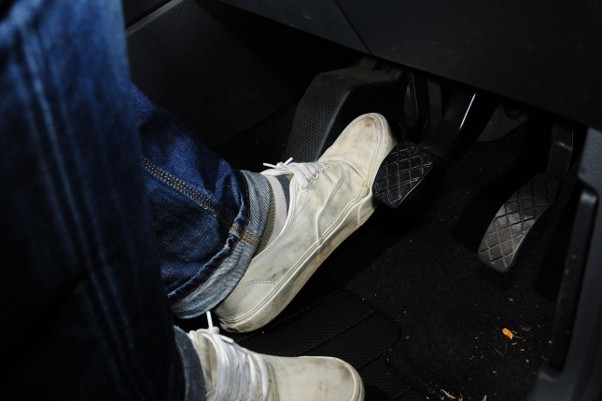
This is the most common clutch-killing habit.
Many drivers rest their left foot lightly on the clutch pedal while cruising. Even slight pressure can partially disengage the clutch, causing continuous friction and unnecessary wear on the clutch disc and release bearing.
Instead:
- Keep your left foot on the dead pedal (footrest).
- Fully release the clutch after every gear change.
- Avoid hovering your foot over the pedal in traffic.
Why it matters: Continuous partial engagement creates heat even when you’re not shifting gears.
2. Holding the car on a hill using the clutch
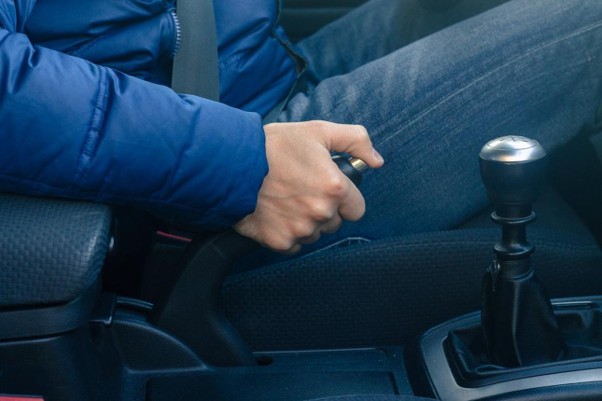
If you’ve ever balanced the car on an incline using only the clutch and accelerator, you’re forcing the clutch to absorb the vehicle’s entire weight.
This technique overheats the friction material within seconds and is one of the leading causes of premature clutch glazing. Manufacturers specifically recommend using the handbrake or brake pedal, not the clutch, to hold the vehicle on a grade.
Ford Service Content
Correct method:
- Stop with the brake.
- Engage first gear.
- Find the biting point.
- Release the handbrake as the clutch begins to engage.
Your clutch should move the car—not hold it stationary.
3. Launching at high RPM
Fast launches may feel exciting, but they’re brutal on clutch components.
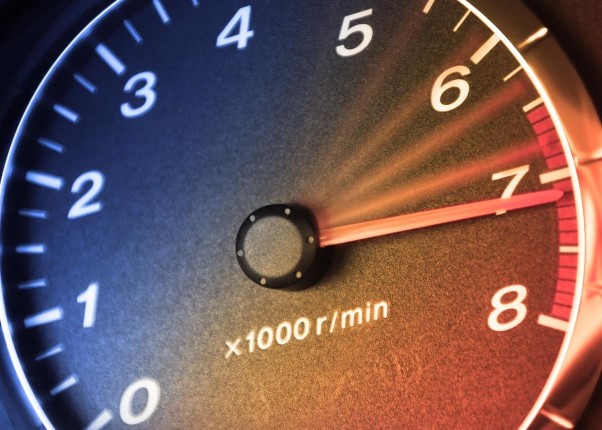
Revving the engine excessively before releasing the clutch creates a huge speed difference between the flywheel and clutch disc. That difference becomes heat, accelerating wear on the friction lining.
A smoother launch means:
- Moderate engine RPM
- Progressive clutch release
- Minimal slipping time
The goal isn’t to release the pedal slowly—it’s to engage it smoothly and decisively.
4. Creeping in traffic with half-clutch
Urban driving naturally wears clutches faster because you’re constantly starting and stopping. But many drivers make it worse by continuously feathering the clutch while creeping forward.
Instead of moving a few feet at a time with the clutch partially engaged:
- Leave a slightly larger gap.
- Move forward in one smooth motion.
- Fully engage the clutch whenever possible.
Studies and real-world driving guides consistently identify prolonged half-clutch driving as a major source of excessive clutch temperature.
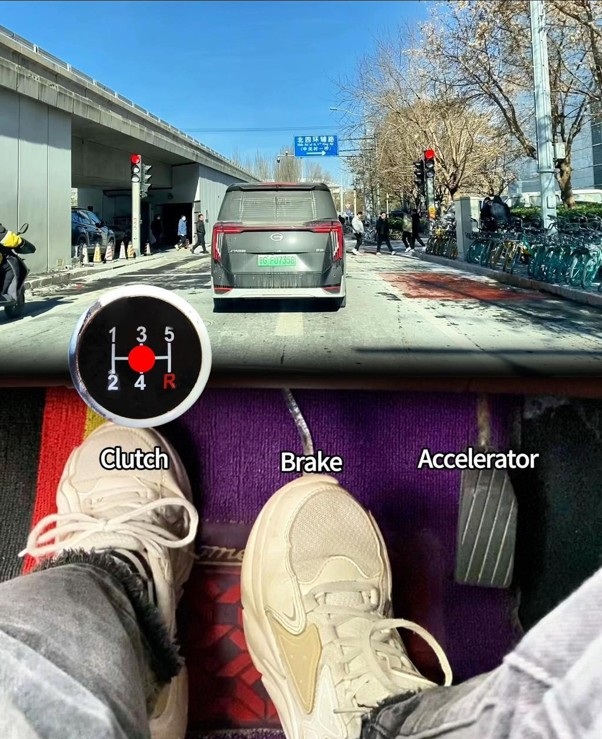
5. Keeping the clutch pressed at every red light
Waiting at a 90-second traffic light with the clutch pedal fully depressed puts unnecessary load on the release bearing.
A better habit is simple:
|
Short stop (2–5 sec)
|
Long stop (15+ sec)
|
|---|---|
|
Keep first gear if traffic is moving
|
Shift to neutral
|
|
Clutch depressed briefly
|
Release the clutch completely
|
This reduces wear on the release mechanism and also gives your left leg a break.
6. Towing or carrying heavy loads incorrectly
If you drive a pickup or SUV with a manual gearbox, your clutch works much harder when towing.
Common mistakes include:
- Starting in a gear that’s too high
- Excessive slipping while pulling away
- Riding the clutch on steep inclines
Heavy loads increase torque demand, meaning the clutch has to dissipate significantly more heat during engagement. Proper gear selection dramatically reduces stress on the clutch system.
7. Ignoring early warning signs
A clutch rarely fails without warning.
Watch for these symptoms:
- Difficulty selecting gears
- A higher-than-normal biting point
- Burning smell after hill starts
- Engine RPM rises without matching acceleration
- Vibration during take-off
Ignoring these signs can damage additional components such as the flywheel, pressure plate, or hydraulic clutch system—making repairs considerably more expensive.
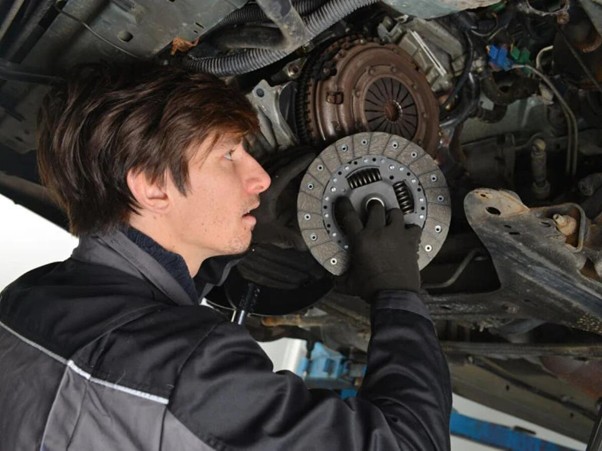
Simple habits that can add years to your clutch
Use the handbrake on hills
Never hold the vehicle with the clutch.
Take your foot completely off the pedal
Rest it on the dead pedal between shifts.
Engage the clutch smoothly
Avoid both dumping and excessively slipping it.
Shift to neutral during longer stops
Reduce release bearing wear.
Address hydraulic leaks early
A small clutch hydraulic issue can quickly become a major repair.
These habits cost nothing to adopt, yet they can significantly reduce unnecessary clutch wear over the life of your vehicle.
Does city driving always wear out a clutch faster?
Yes—but not necessarily because city driving is bad.
Stop-and-go traffic simply means more clutch engagements. A highway commuter may use the clutch only a handful of times during a long trip, while an urban driver might engage it hundreds of times in a single commute. That’s why technique matters even more in city environments. Smooth engagement and minimizing unnecessary slipping make a noticeable difference over thousands of gear changes.
Frequently Asked Questions
How long should a clutch last?
Most manual transmission clutches typically last 80,000–160,000 km (50,000–100,000 miles), but lifespan depends more on driving habits than mileage alone. Gentle highway driving often results in much longer service life.
Is riding the clutch really that harmful?
Yes. Even light pressure keeps components partially engaged, creating unnecessary friction and accelerating wear on both the clutch disc and release bearing.
Should I hold the clutch down at traffic lights?
For longer waits, it’s better to shift into neutral and release the pedal. This reduces continuous load on the release bearing and is considered better practice for clutch longevity.
Does towing reduce clutch life?
It can, especially if you frequently slip the clutch while moving heavy loads. Using the correct gear and minimizing clutch slip helps protect the clutch under load.
Final Thoughts
A clutch doesn’t usually fail because it’s poorly built—it fails because it’s repeatedly exposed to excessive heat and unnecessary friction. The good news is that most of the habits that destroy a clutch are easy to correct. Small changes in the way you start, stop, climb hills, and drive in traffic can save you from a costly clutch replacement down the road.
If your vehicle is already showing signs of clutch wear—whether it’s slipping, grinding, a high biting point, or difficulty shifting—West Can Auto Parts stocks quality clutch kits, hydraulic clutch components, flywheels, and related drivetrain parts for a wide range of domestic, Asian, and European vehicles. Our team can help you find the right parts quickly, so you can get back on the road with confidence.
Disclaimer:
This blog is for educational and informational purposes only. For accurate diagnosis and proper vehicle repairs, always consult a certified automotive technician.