
| |

What Happens If You Install the Wrong Battery?

Sharing is Caring

Choosing the right battery for your vehicle is more important than many drivers realize. While it may be tempting to install any battery that physically fits under the hood, doing so can lead to poor performance, electrical issues, unexpected breakdowns, and even costly repairs.

Modern vehicles rely heavily on sophisticated electrical systems, sensors, and onboard computers that require a battery with the correct specifications. Installing the wrong battery isn’t just a compatibility issue—it can directly affect your vehicle’s reliability, safety, and lifespan.

In this guide, we’ll explain what can happen when the wrong battery is installed, how to identify the correct battery for your vehicle, and why choosing the right battery is an investment in your vehicle’s long-term health.

What Does "Wrong Battery" Mean?

Many people assume a battery is “wrong” only if it doesn’t fit physically. In reality, several factors determine whether a battery is compatible with your vehicle.

A battery may be considered incorrect if it has:

  • The wrong battery group size 
  • Lower or higher Cold Cranking Amps (CCA) than recommended 
  • Incorrect Reserve Capacity (RC) 
  • Wrong terminal placement 
  • Incompatible battery technology (Flooded, AGM, or EFB) 
  • Incorrect physical dimensions 
  • Lower electrical capacity than your vehicle requires 

Even if the battery starts your car today, these differences can create problems over time.

1. Your Vehicle May Struggle to Start

One of the first signs of an incorrect battery is difficult starting.

If the battery doesn’t provide sufficient Cold Cranking Amps (CCA), it may struggle to deliver enough power to crank the engine—especially during cold Canadian winters.

Common symptoms include:

  • Slow engine cranking 
  • Clicking sounds when turning the key 
  • Intermittent starting problems 
  • Complete no-start situations during cold mornings 

Vehicles equipped with larger engines, diesel engines, or numerous electrical accessories require batteries with higher starting power.

2. Modern Electronics May Malfunction

Today’s vehicles contain dozens of electronic control modules that depend on a stable voltage supply.

An incorrect battery may cause:

  • Dashboard warning lights 
  • Infotainment system glitches 
  • Sensor errors 
  • Power window or seat malfunctions 
  • Random electronic resets 

Even temporary voltage drops can confuse sensitive vehicle electronics, leading to unnecessary diagnostic work and frustration.

3. Start-Stop Systems May Stop Working

Many newer vehicles feature automatic Start-Stop technology to improve fuel efficiency.

These systems are specifically designed to work with AGM (Absorbent Glass Mat) or EFB (Enhanced Flooded Battery) technology.

Installing a conventional flooded battery instead can result in:

  • Start-Stop system becoming disabled 
  • Premature battery failure 
  • Charging system errors 
  • Reduced fuel efficiency

In some vehicles, the battery management system may even detect the incompatibility and disable certain features.

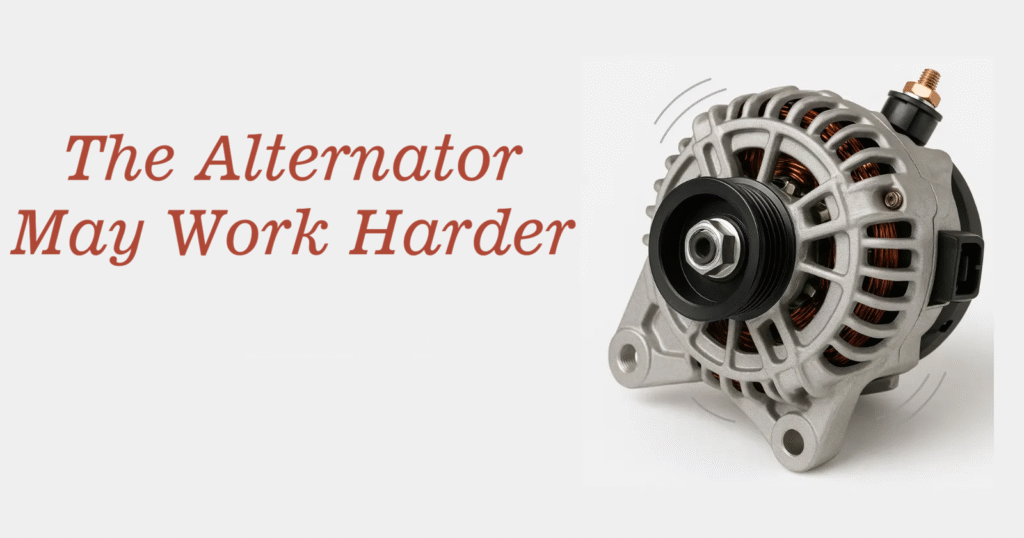
4. The Alternator May Work Harder

Your alternator is designed to charge a battery with specific electrical characteristics.

If the installed battery has an incorrect capacity or charging profile, the alternator may:

  • Charge continuously 
  • Overcharge the battery 
  • Undercharge the battery 
  • Wear out faster than expected

A failing alternator can cost significantly more than purchasing the correct battery in the first place.

5. Battery Life Can Be Significantly Reduced

Installing the wrong battery often shortens battery life.

Reasons include:

  • Constant undercharging 
  • Frequent deep discharges 
  • Excessive heat generation 
  • Higher charging stress

Instead of lasting four to six years, an incompatible battery may fail within one or two years.

6. Electrical Accessories May Drain the Battery Faster

Modern vehicles consume power even when parked.

Features like:

  • Security systems 
  • Remote keyless entry 
  • GPS modules 
  • Dash cameras 
  • Interior electronics 

all place a continuous demand on the battery.

If the installed battery has insufficient reserve capacity, these systems may drain it much faster, leaving you with a dead battery after only a short period of inactivity.

7. Incorrect Terminal Position Can Create Installation Problems

Battery terminals are positioned differently depending on the battery group.

Using the wrong terminal layout can result in:

  • Battery cables being stretched 
  • Poor cable routing 
  • Loose electrical connections 
  • Increased risk of short circuits

In extreme cases, forcing cables to fit may damage the battery terminals or wiring harness.

8. You Could Void Your Vehicle Warranty

For newer vehicles still under manufacturer warranty, installing an incorrect battery may affect warranty coverage if battery-related electrical issues occur.

Manufacturers specify battery requirements for a reason. Using an incompatible battery can make it difficult to claim warranty coverage for charging system or electrical failures linked to improper installation.

Always check your owner’s manual or consult a trusted automotive parts professional before replacing your battery.

How to Choose the Correct Battery

Before purchasing a replacement battery, verify these specifications:

  • Battery Group Size 
  • Cold Cranking Amps (CCA) 
  • Reserve Capacity (RC) 
  • Battery Type (Flooded, AGM, or EFB) 
  • Terminal Configuration 
  • Physical Dimensions 

The easiest way is to search using your vehicle’s:

  • Year 
  • Make 
  • Model 
  • Engine size

This ensures you receive a battery that meets your vehicle manufacturer’s requirements.

Can a Higher CCA Battery Be Used?

This is a common question.

In most cases, installing a battery with slightly higher Cold Cranking Amps than recommended is acceptable, provided:

  • It fits properly 
  • Terminal positions match 
  • Battery technology is correct 
  • Charging requirements remain compatible 

However, switching between battery technologies—for example, replacing an AGM battery with a conventional flooded battery—is generally not recommended unless the vehicle manufacturer specifically allows it.

Signs You May Already Have the Wrong Battery

If you’ve recently replaced your battery and notice any of the following, it may be worth checking whether the correct battery was installed:

  • Frequent jump starts 
  • Battery warning light 
  • Slow engine cranking 
  • Start-Stop system not functioning 
  • Flickering lights 
  • Electrical glitches 
  • Battery dying sooner than expected 

Early diagnosis can help prevent more expensive repairs down the road.

Trust West Can Auto Parts for the Right Battery

Choosing the correct battery isn’t just about finding one that fits—it’s about matching your vehicle’s electrical demands for dependable performance in every season.

At West Can Auto Parts, we offer a wide selection of premium automotive batteries for passenger vehicles, SUVs, light trucks, commercial vehicles, and more. Our knowledgeable team can help you identify the right battery based on your vehicle’s specifications, ensuring optimal performance, reliability, and long service life.

Whether you’re replacing a worn-out battery or upgrading for Canadian weather conditions, we’re here to help you make the right choice the first time.

Final Thoughts

Installing the wrong battery may seem like a minor mistake, but it can lead to starting issues, electrical problems, reduced battery life, alternator strain, and unnecessary repair costs. As vehicles become more technologically advanced, battery compatibility has never been more important.

Before replacing your battery, always verify the recommended specifications or seek guidance from trusted automotive professionals. Choosing the right battery today can save you time, money, and frustration tomorrow while keeping your vehicle running at its best.

Disclaimer:

This blog is for educational and informational purposes only. For accurate diagnosis and proper vehicle repairs, always consult a certified automotive technician.

Similar Posts

Leave a Reply

Your email address will not be published. Required fields are marked *