
Brake Pad Maintenance: Tips for Prolonging Lifespan and Ensuring Safety
Brake pads are a critical component of any vehicle’s braking system, responsible for bringing your car to a safe stop. Regular maintenance of brake pads not only ensures your safety on the road but also extends the lifespan of your vehicle’s braking system. In this article, we will explore essential tips for maintaining brake pads to prolong their lifespan and ensure optimal safety while driving.
Understand Your Brake System:
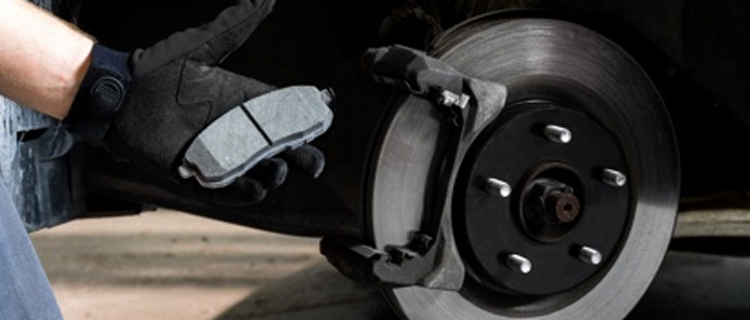
Before delving into maintenance tips, it’s crucial to understand how your brake system works. Typically, brake pads press against the brake rotors to create friction, which slows down or stops your vehicle. Understanding this mechanism helps you appreciate the importance of well-maintained brake pads for safe driving.
Regular Inspections:
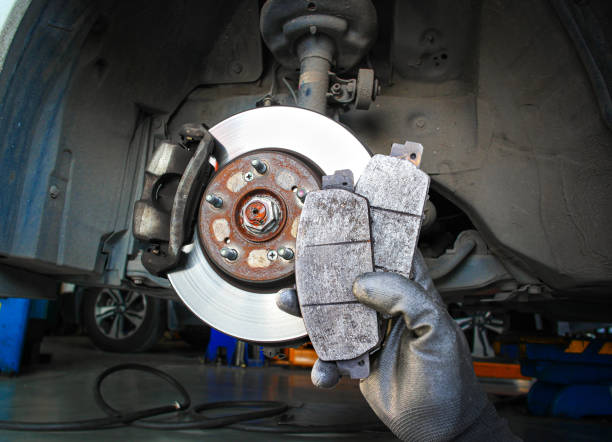
Regular inspections of your brake parts are essential for identifying signs of wear and tear early on. Visual inspections can be performed by removing the wheels to check the thickness of the brake pads. Additionally, listen for any unusual noises such as squealing or grinding sounds when applying the brakes, as these could indicate worn-out brake pads.
Monitor Brake Fluid:
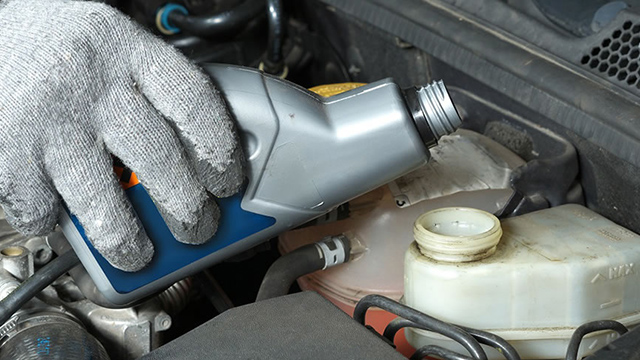
Brake fluid plays a vital role in transferring the force from the brake pedal to the brake pads. Check the brake fluid level regularly and ensure it is at the recommended level. Low brake fluid levels could indicate a leak in the brake system, which needs immediate attention to prevent brake failure.
Practice Smooth Driving Habits:
Aggressive driving, such as sudden braking or excessive speeding, can accelerate brake pad wear. Practice smooth driving habits by maintaining a safe following distance, anticipating stops, and gradually applying the brakes when needed. This not only reduces wear on the brake pads but also enhances fuel efficiency.
Avoid Overloading:
Excessive weight puts additional strain on your vehicle’s braking system, leading to premature wear of brake pads. Avoid overloading your vehicle beyond its recommended capacity to prevent unnecessary stress on the brakes. Distribute weight evenly and use additional braking techniques when driving downhill to reduce strain on the brake pads.
Brake Pad Replacement:
When your brake pads reach their minimum thickness, it’s crucial to replace them promptly to ensure continued safety on the road. Follow the manufacturer’s recommendations for brake pad replacement intervals, typically ranging from 20,000 to 70,000 miles, depending on driving conditions and pad material.
Use Quality Brake Pads:
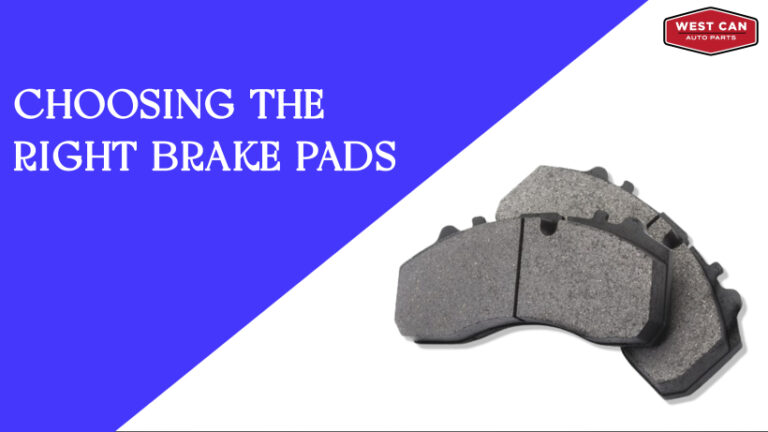
Invest in high-quality brake pads from reputable manufacturers to ensure optimal performance and longevity. While cheaper options may seem cost-effective initially, they often wear out more quickly, leading to frequent replacements and potentially compromising safety. Quality brake pads offer better durability and braking efficiency, providing peace of mind during your travels.
Professional Maintenance:
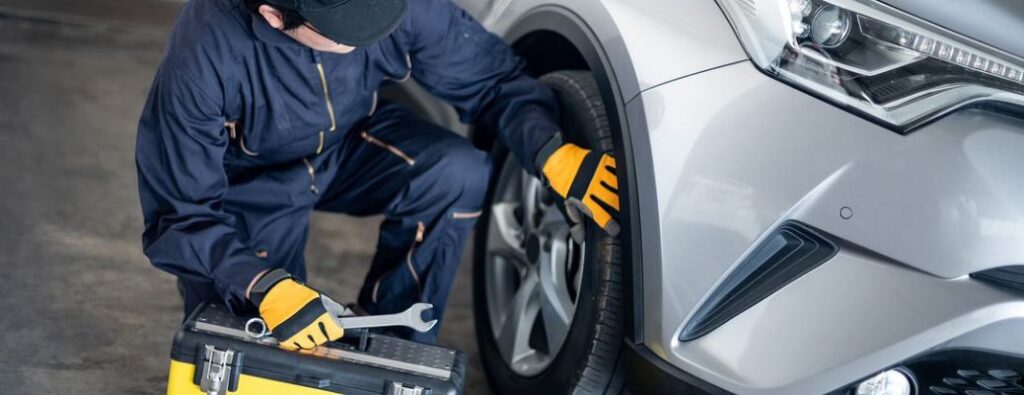
For comprehensive brake system maintenance, including brake pad replacement and brake fluid flushes, it’s advisable to seek assistance from professional mechanics. They have the expertise and tools to perform thorough inspections and maintenance, ensuring your brake system operates at peak performance.
In conclusion, maintaining your brake pads is paramount for both longevity and safety on the road. By adhering to the tips outlined in this blog, such as regular inspections and proper driving habits, you can significantly prolong the lifespan of your brake pads while ensuring your safety and that of others.
At West Can Auto Parts, we understand the importance of reliable brake pads. That’s why we offer a wide range of high-quality brake pads designed to meet the demands of various vehicles and driving conditions. Our products undergo rigorous testing to guarantee performance and durability, giving you peace of mind every time you hit the road.
Don’t compromise on safety or quality when it comes to your vehicle’s braking system. Visit West Can Auto Parts today and discover the perfect brake pads to keep you driving safely for miles to come.