
Car Radiator Problems: Common Causes, Warning Signs & When to Replace Your Radiator
Your vehicle’s engine generates a significant amount of heat while running. Without an efficient cooling system, this heat can quickly build up and lead to overheating, reduced engine performance, and potentially expensive repairs. One of the most important components responsible for controlling engine temperature is the radiator.
However, like any other automotive component, radiators can develop problems over time due to wear, corrosion, contamination, or physical damage. Recognizing these issues early can help prevent serious engine damage and keep your vehicle running reliably.
In this guide, we’ll explore common car radiator problems, their warning signs, what causes them, and when you should consider replacing your radiator.
What Does a Car Radiator Do?
A car radiator is a key component of the engine cooling system. Its primary function is to remove excess heat from the engine and maintain an appropriate operating temperature.
As the engine runs, coolant absorbs heat and circulates through the engine passages. The heated coolant then flows into the radiator, where air passing through its cooling fins helps dissipate the heat. The cooled coolant is subsequently circulated back into the engine to repeat the process.
A properly functioning radiator helps prevent overheating, supports consistent engine performance, and protects important engine components from excessive heat.
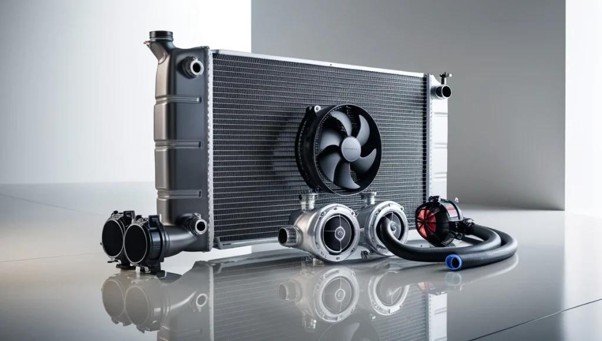
7 Common Car Radiator Problems
Radiator issues can develop gradually or appear suddenly. Here are some of the most common problems vehicle owners should watch for.
1. Coolant Leaks
Coolant leaks are among the most noticeable radiator problems. They can occur due to cracks in the radiator tank, damaged seals, loose connections, or deteriorating fittings.
You may notice coloured fluid pooling underneath your vehicle or a gradual drop in coolant levels. Ignoring a leak can eventually lead to insufficient coolant circulation and engine overheating.
2. Clogged Radiator Passages
Over time, rust, dirt, mineral deposits, and degraded coolant can accumulate inside the radiator. These contaminants restrict coolant flow and reduce the radiator’s ability to transfer heat efficiently.
A clogged radiator may cause the engine temperature to rise, particularly during heavy traffic or extended driving.
3. Corrosion and Rust Buildup
Radiators are constantly exposed to coolant, moisture, and temperature fluctuations. Using the wrong coolant or neglecting regular maintenance can contribute to internal corrosion.
Corrosion can weaken the radiator’s internal passages and create small leaks. In severe cases, it can compromise the entire cooling system.
4. Damaged Radiator Fins
Radiator fins are designed to increase the surface area available for heat dissipation. However, they can become bent, crushed, or damaged by road debris, stones, and other external impacts.
When airflow is restricted, the radiator becomes less effective at cooling the circulating coolant.
5. Faulty Radiator Cap
The radiator cap plays an important role in maintaining the correct pressure within the cooling system. It also helps regulate coolant movement between the radiator and the coolant reservoir.
A worn or faulty cap may cause pressure loss, coolant overflow, or coolant loss, potentially contributing to overheating.
6. Internal Radiator Blockage
Unlike external damage, internal blockages may not be immediately visible. Deposits and contaminants can obstruct the radiator’s tubes, preventing coolant from flowing freely.
This can create uneven temperature distribution across the radiator and reduce overall cooling efficiency.
7. Physical Damage and Cracks
Radiators can sustain physical damage from accidents, road debris, vibration, and general wear. Cracks in the radiator core or plastic end tanks can result in coolant leakage.
Depending on the location and severity of the damage, repair may be possible, but replacement is often the more reliable solution for severely damaged radiators.
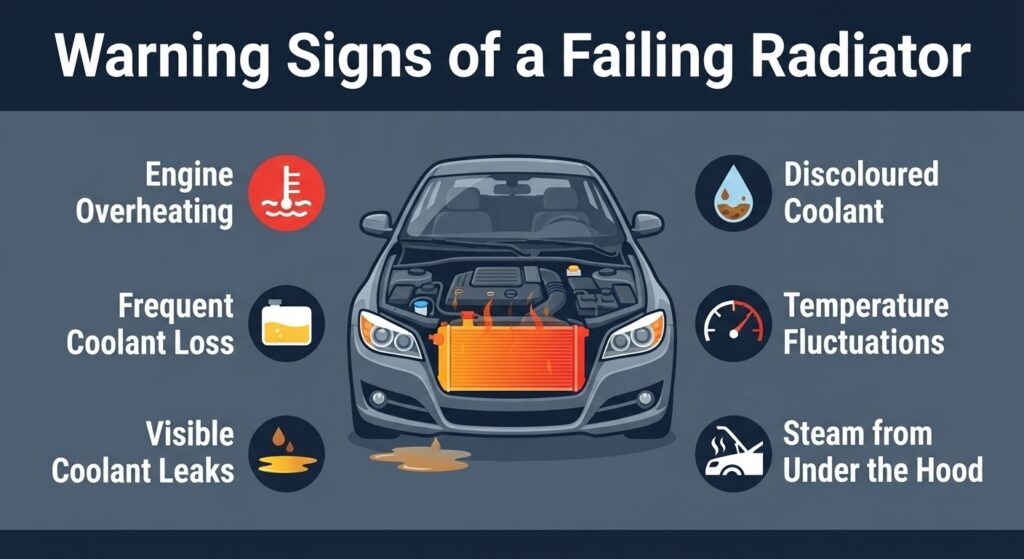
Warning Signs of a Failing Radiator
Recognizing early warning signs can help you address radiator problems before they become more serious. Look out for the following symptoms:
- Engine Overheating: A temperature gauge consistently reaching higher-than-normal levels may indicate a cooling system problem.
- Frequent Coolant Loss: If you regularly need to top up coolant, there may be a leak somewhere in the cooling system.
- Visible Coolant Leaks: Puddles or stains underneath the vehicle may indicate a damaged radiator or hose connection.
- Discoloured Coolant: Rust-coloured, muddy, or contaminated coolant can indicate corrosion or buildup inside the cooling system.
- Temperature Fluctuations: Sudden changes in engine temperature may suggest restricted coolant flow or another cooling system issue.
- Steam from Under the Hood: Steam can indicate coolant boiling or escaping from an overheated cooling system.
If your vehicle starts overheating, pull over safely, switch off the engine, and allow it to cool. Never open a hot radiator cap, as pressurized coolant can cause serious burns.
What Causes Car Radiator Failure?
Several factors can contribute to premature radiator failure, including:
- Neglecting routine cooling system maintenance.
- Using incorrect or incompatible engine coolant.
- Failing to flush contaminated coolant when required.
- Prolonged exposure to corrosion and mineral deposits.
- Physical damage from road debris or accidents.
- Excessive cooling system pressure caused by underlying faults.
- Worn radiator hoses, connections, or related components.
Regular inspection and using the manufacturer-recommended coolant can help extend radiator life and maintain cooling system efficiency.
Can You Repair a Radiator or Should You Replace It?
The right solution depends on the type and severity of the damage.
Minor issues, such as certain external leaks or restricted coolant passages, may sometimes be repairable by a qualified technician. However, extensive corrosion, major cracks, repeated leaks, or severe internal blockages often make replacement the better option.
When deciding between repair and replacement, consider the radiator’s overall condition, the extent of damage, repair costs, and long-term reliability.
A professional inspection can help determine the most appropriate solution for your vehicle.
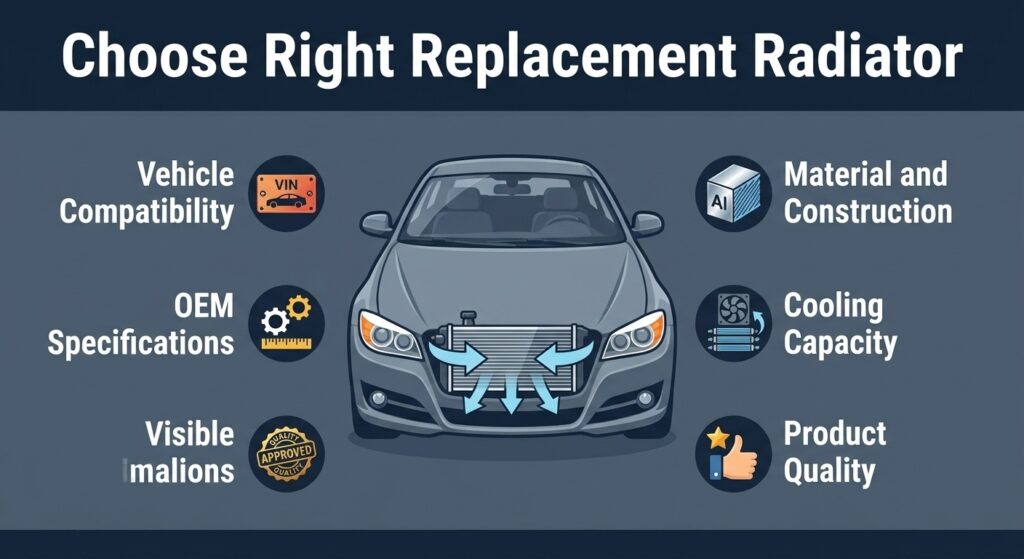
How to Choose the Right Replacement Radiator
If replacement becomes necessary, selecting the correct radiator is essential. Keep these factors in mind:
- Vehicle Compatibility: Check your vehicle’s make, model, year, engine size, and specific application.
- OEM Specifications: Look for a radiator that meets the required original equipment specifications.
- Material and Construction: Consider the quality of the radiator core, tanks, fittings, and overall construction.
- Cooling Capacity: Ensure the replacement radiator provides the cooling performance required for your vehicle.
- Product Quality: Choose a reliable product from a reputable manufacturer or supplier.
Avoid selecting a radiator based solely on appearance or price. Proper fitment, quality, and compatibility are equally important.
Tips to Maintain Your Car Radiator
A few preventive maintenance practices can help keep your radiator functioning efficiently:
- Check coolant levels periodically and top up using the recommended coolant.
- Inspect radiator hoses and connections for cracks, leaks, or deterioration.
- Follow the manufacturer’s recommended coolant replacement intervals.
- Keep the radiator’s external fins free from dirt and debris.
- Have the cooling system inspected if you notice unusual temperature fluctuations.
- Address coolant leaks and overheating issues promptly.
Remember, radiator hoses are equally important for maintaining proper coolant circulation. Inspecting them regularly can help identify potential problems before they affect the entire cooling system.
Conclusion
Your vehicle’s radiator plays a vital role in maintaining engine temperature and preventing overheating. From coolant leaks and internal blockages to corrosion and damaged cooling fins, radiator problems can affect overall engine performance if left unattended.
Timely inspections, proper coolant maintenance, and choosing quality replacement components can help keep your cooling system operating reliably.
At West Can Auto Parts, we understand the importance of dependable automotive components in keeping your vehicle running smoothly. Whether you’re looking for a replacement radiator, radiator hoses, or other cooling system components, our team is here to help you find the right parts for your vehicle. With quality products, knowledgeable support, and a commitment to customer satisfaction, West Can Auto Parts is your trusted destination for automotive parts and expertise.
Disclaimer:
This blog is for educational and informational purposes only. For accurate diagnosis and proper vehicle repairs, always consult a certified automotive technician.