


| |

DIY Garage Safety Guide: How to Set Up a Safe Workspace & Work on Your Car Alone with Confidence

Sharing is Caring

Working on your car at home can be incredibly rewarding. It saves money, builds hands-on knowledge, and gives you complete control over your vehicle’s maintenance. However, DIY auto work comes with its own set of risks—especially when you’re working alone in your garage.

From improper workspace setup to lack of emergency preparedness, small oversights can lead to serious accidents. This guide combines the essentials of creating a safe garage workspace with crucial precautions for working solo, helping you stay protected every step of the way.

Why Garage Safety Matters More Than You Think

Your garage isn’t just a place to park your car—it becomes a workshop the moment you pick up a wrench. Unlike professional auto shops, most home garages aren’t designed with safety as the top priority.

Poor lighting, cluttered floors, lack of ventilation, and missing safety tools can quickly turn a simple repair into a dangerous situation. Add working alone into the mix, and the risk multiplies.

The good news? With a few smart adjustments and habits, you can create a safe and efficient DIY environment.

Setting Up a Safe DIY Workspace at Home

1. Prioritize Proper Lighting

Good visibility is non-negotiable. Many DIY accidents happen simply because the person couldn’t clearly see what they were doing.

  • Use bright overhead LED lighting
  • Add portable work lights for under-the-hood or under-car visibility
  • Avoid shadows around your work area

A well-lit garage reduces mistakes and improves precision.

2. Ensure Proper Ventilation

Car repairs often involve fumes from fuel, exhaust, cleaners, and chemicals. Poor ventilation can lead to dizziness, respiratory issues, or worse.

  • Keep garage doors partially or fully open when working
  • Use exhaust fans if available
  • Avoid running engines in enclosed spaces

Fresh air circulation is critical, especially during longer repair sessions.

3. Keep Your Workspace Clean & Organized

Clutter is one of the biggest hazards in any garage.

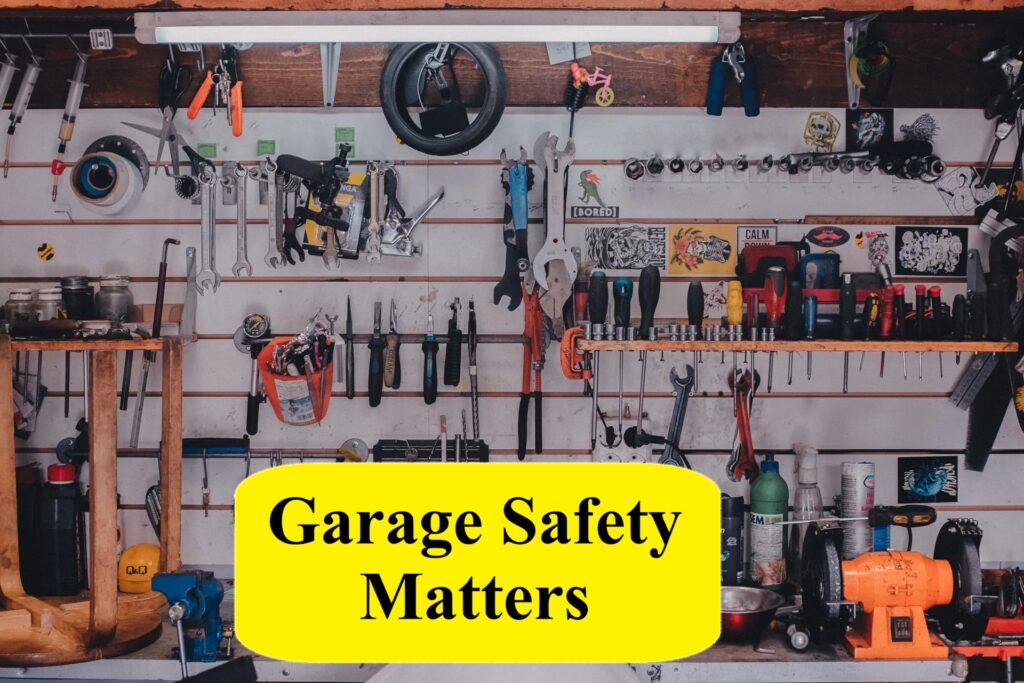
  • Keep tools in designated storage (toolboxes, pegboards)
  • Clean spills immediately to prevent slips
  • Avoid leaving loose parts scattered on the floor

A clean workspace not only improves safety but also boosts efficiency.

4. Invest in Essential Safety Equipment

Every DIYer should have a basic safety kit within reach:

These are not optional—they are your first line of defense in case something goes wrong.

5. Use the Right Tools for the Job

Using incorrect or low-quality tools increases the risk of injury.

  • Always use tools designed for automotive work
  • Avoid makeshift fixes or damaged equipment
  • Keep tools well-maintained

Reliable tools give you better control and reduce unexpected failures.

6. Secure the Vehicle Properly

Before starting any work, make sure your vehicle is stable.

  • Park on a flat, solid surface
  • Engage the parking brake
  • Use wheel chocks
  • Lift the car with a jack and support it with jack stands

Never compromise on this step—vehicle instability is one of the leading causes of serious DIY injuries.

Safety Tips for Working on Your Car Alone

Working solo requires an extra layer of caution. Without someone around to assist or respond in an emergency, preparation becomes critical.

1. Let Someone Know What You’re Doing

Before you begin:

  • Inform a family member or friend about your work
  • Share your location and expected duration
  • Check in once you’re done

It may seem simple, but this step can make a huge difference in emergencies.

2. Keep Your Phone Within Reach

Always have your phone nearby—not across the garage or inside the house.

  • Keep it in your pocket or on a nearby surface
  • Ensure it’s charged
  • Enable emergency contact features

In case of injury, quick access to your phone is vital.

3. Avoid High-Risk Repairs Alone

Some jobs are better done with a second person present.

Avoid working solo on:

  • Heavy component removal (transmissions, engines)
  • Fuel system repairs
  • Suspension work involving compressed springs
  • Electrical systems with high voltage (especially in EVs)

If a task feels risky, it probably is—don’t take unnecessary chances.

4. Take Breaks and Stay Alert

Fatigue leads to poor decisions.

  • Take regular breaks during long repair sessions
  • Stay hydrated
  • Avoid working when tired or distracted

Clear thinking is one of your best safety tools.

5. Double-Check Everything Before Starting the Car

Once your repair is complete:

  • Ensure all tools are removed
  • Check bolts and connections
  • Verify fluid levels
  • Start the vehicle cautiously

Never rush this step—post-repair checks can prevent serious issues.

6. Plan for Emergencies

Hope for the best, but prepare for the worst.

  • Keep a first-aid kit accessible
  • Know basic first aid procedures
  • Have emergency numbers saved on speed dial

Being prepared gives you confidence and control.

Smart Habits That Make a Big Difference

Beyond setup and precautions, building the right habits is key:

  • Wear proper clothing (avoid loose sleeves or jewellery)
  • Tie back long hair
  • Read repair manuals or guides before starting
  • Don’t rush—precision matters more than speed

DIY auto work is as much about discipline as it is about skill.

Final Thoughts

Working on your car at home doesn’t have to be dangerous—but it does require responsibility. A well-organized garage combined with smart solo-working practices can significantly reduce risks and make your DIY experience safer and more enjoyable.

Whether you’re changing brake pads, replacing filters, or tackling more advanced repairs, safety should always come first. After all, the goal isn’t just to fix your car—it’s to do it without putting yourself at risk.

At West Can Auto Parts, we believe every DIYer deserves access to reliable parts, quality tools, and the right knowledge to get the job done safely. From brake components to filters and essential tools, we’re here to support your journey—every step of the way.

Disclaimer:

This blog is for educational and informational purposes only. For accurate diagnosis and proper vehicle repairs, always consult a certified automotive technician.

Similar Posts

Leave a Reply

Your email address will not be published. Required fields are marked *