



| | | |

Track Day Checklist: Brakes, Tires, Fluids & More You Shouldn’t Ignore

Sharing is Caring

Track days have become increasingly popular among everyday drivers looking to safely explore their vehicle’s limits. Whether you’re driving a performance-tuned machine or your daily commuter, a track event offers the perfect opportunity to experience speed, handling, and braking in a controlled environment.

But there’s one key difference between enjoying a successful track day and dealing with unexpected issues — preparation.

Unlike regular road driving, track conditions push your vehicle to operate under sustained high stress. Components heat up faster, wear out quicker, and even minor weaknesses can turn into major problems. That’s why proper inspection and smart upgrades are essential before heading to the circuit.

Let’s walk through the most important areas you should focus on to ensure your car is truly track-ready.

1. Tires: Your First Line of Performance

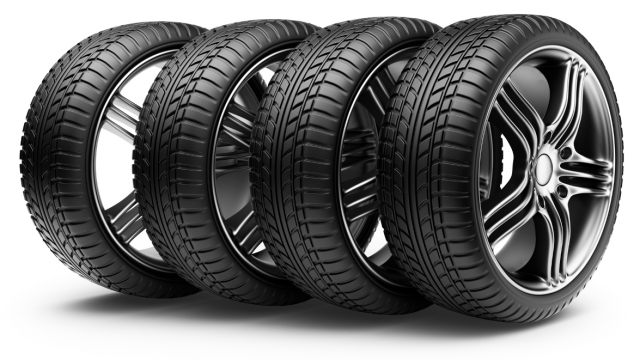
Tires play a critical role in how your vehicle behaves on the track. They directly influence grip, cornering stability, acceleration, and braking performance.

Before your track day:

  • Check for adequate tread depth and even wear 
  • Inspect for cracks, bulges, or sidewall damage 
  • Ensure all four tires are of the same type and rating

For improved performance, many drivers switch to summer or performance tires, which offer better grip at higher temperatures compared to all-season options.

Also, don’t forget tire pressure:

  • Slightly lower pressure can improve grip 
  • Monitor pressure after each session, as heat increases PSI

Proper tire management not only boosts performance but also enhances safety during high-speed maneuvers.

2. Brake System: Built to Handle the Heat

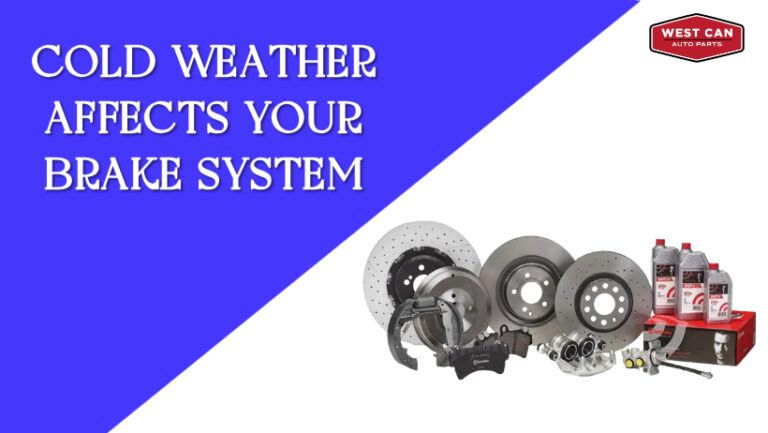
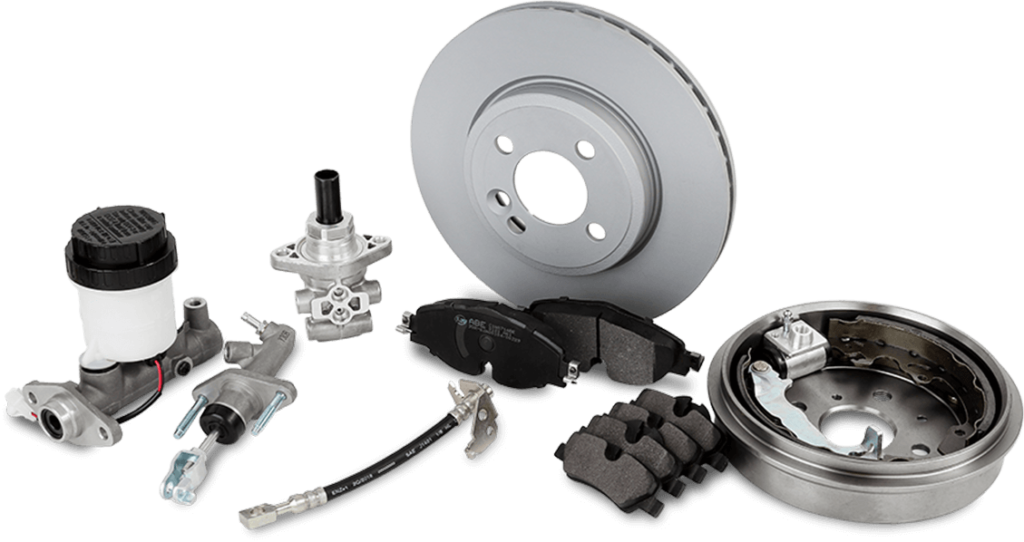
Your braking system works significantly harder on the track than on regular roads. Repeated high-speed braking generates intense heat, which can lead to brake fade — a dangerous reduction in stopping power.

Key checks include:

Upgrading to premium or performance brake pads is one of the smartest moves for track driving. These pads are designed to withstand higher temperatures and deliver consistent stopping power.

If you’re planning frequent track sessions, consider:

  • High-performance rotors
  • Stainless steel brake lines for improved pedal feel

A strong, reliable braking system gives you confidence to push harder while staying in control.

3. Fluids: The Lifeblood of Your Vehicle

Fluids may not be visible, but they are absolutely critical under track conditions. Heat buildup can quickly degrade fluid performance, leading to reduced efficiency or even component failure.

Before hitting the track, check and refresh:

  • Ensures proper lubrication under high RPM 
  • Replace if nearing service interval 
  • Consider high-performance oil for added protection
  • Must withstand high temperatures without boiling 
  • Old or contaminated fluid can lead to spongy brakes

Coolant

  • Prevents engine overheating during extended sessions 
  • Check for proper levels and leaks 

Keeping fluids in top condition helps your vehicle maintain performance and reliability throughout the day.

4. Suspension & Steering: Precision and Stability

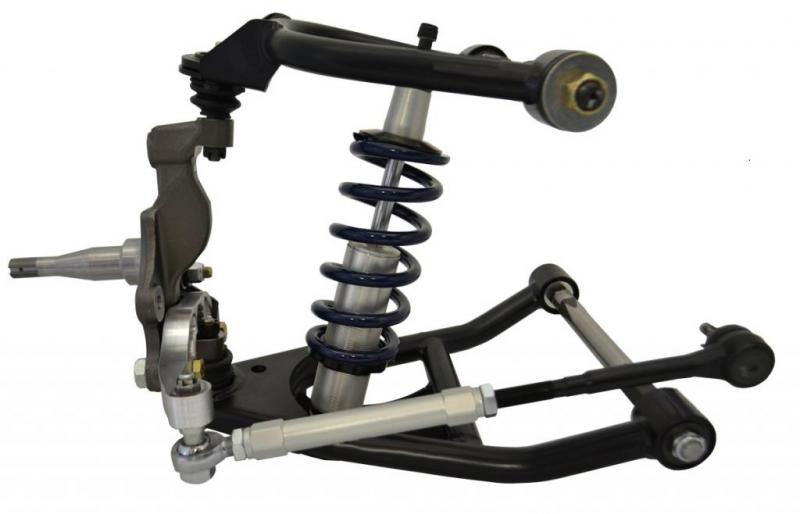
Track driving demands sharp handling and precise control. Your suspension system plays a huge role in how your car responds to corners, braking, and acceleration.

Inspect the following:

  • Struts and shock absorbers for leaks or wear
  • Control arms, bushings, and ball joints
  • Wheel alignment (critical for track performance)

Even slight misalignment can affect tire wear and handling consistency. A properly tuned suspension setup improves:

  • Cornering grip
  • Steering response
  • Overall driver confidence

If your suspension feels loose or inconsistent, it’s best to address it before pushing your car on the track.

5. Battery & Electrical System: Don’t Overlook It

While performance upgrades often get the spotlight, basic electrical reliability is just as important.

Before your track day:

  • Ensure the battery is securely mounted 
  • Check for corrosion on terminals 
  • Test voltage and charging system

A weak or loose battery can lead to unexpected breakdowns — something you definitely want to avoid at the track.

6. Track Day Essentials: Be Prepared for Anything

Preparation goes beyond your vehicle. Having the right tools and supplies on hand can make a big difference.

Recommended items to bring:

  • Basic tool kit 
  • Tire pressure gauge 
  • Spare engine oil, coolant, and brake fluid 
  • Extra brake pads (especially for longer sessions) 
  • Cleaning cloths and gloves

These essentials can help you quickly handle minor issues and keep your day running smoothly.

Final Thoughts: Performance Starts with Preparation

A successful track day isn’t just about speed — it’s about control, reliability, and confidence. When your vehicle is properly prepared, you can focus on improving your driving skills and enjoying the experience to the fullest.

Ignoring small issues can lead to bigger problems under track conditions. But with the right checks, upgrades, and preparation, you can ensure your car performs at its best when it matters most.

Get Track-Ready with West Can Auto Parts

At West Can Auto Parts, we offer a wide range of high-quality components to help you prepare for both everyday driving and performance needs. From brake systems and filtration products to fluids and suspension components, we’ve got everything you need to keep your vehicle running strong.

Visit one of our locations or shop online to get your car track-ready with confidence.

Disclaimer:

This blog is for educational and informational purposes only. For accurate diagnosis and proper vehicle repairs, always consult a certified automotive technician.

Similar Posts

Leave a Reply

Your email address will not be published. Required fields are marked *