Similar Posts
Timing Belt Kits vs. Serpentine Belts: What’s the Difference?
Sharing is CaringWhen it comes to engine performance and longevity, few components play as critical a role as timing belts and serpentine belts. Though they may look similar to the untrained eye, these two belts serve very different functions under your hood—and understanding the difference is key to proper maintenance and part replacement. What…
Jack Stands vs Floor Jacks: Differences, Safety Tips & When to Use Each
Sharing is CaringWhen it comes to DIY car maintenance, lifting your vehicle safely is one of the most critical steps. Whether you’re changing oil, replacing brake pads, or inspecting underbody components, the tools you use can make all the difference—not just in efficiency, but in safety. Two of the most commonly used tools are floor…
Driving with Awareness: Comfort, Convenience & Advanced Sensor Technology in Modern Vehicles
Sharing is CaringWhen we think of car technology, performance and safety often come to mind first—but what about comfort, convenience, and smart driving assistance? That’s where a different set of sensors comes into play—those designed not to keep the engine running but to make your drive easier, safer, and more enjoyable. These sensors are part…
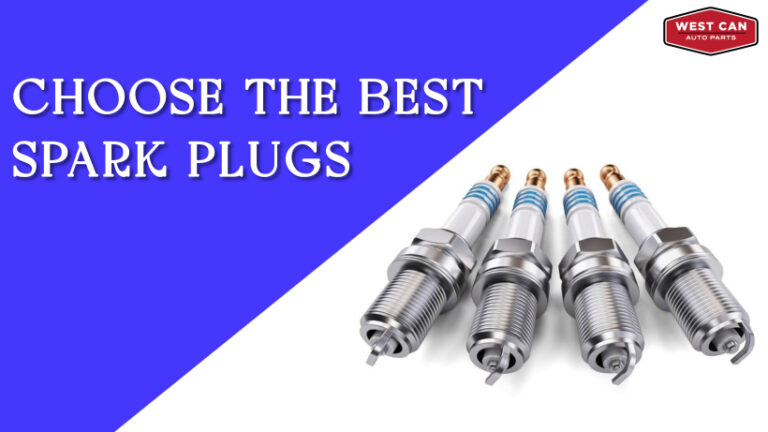
How to Choose the Best Spark Plugs for Your Car
Sharing is CaringSelecting the right spark plugs for your car is crucial for maintaining engine performance, fuel efficiency, and overall vehicle health. Spark plugs play a pivotal role in the ignition system by igniting the air-fuel mixture within the engine’s cylinders, which powers your car. With various types and brands available, choosing the best spark…
How to Protect Your Vehicle from Road Salt Corrosion (Step-by-Step)
Sharing is CaringWinter driving can be beautiful—but it’s no secret that snow, ice, and road salt are among the biggest enemies of your vehicle’s metal surfaces. While road salt is effective for melting ice and keeping roads safe, it accelerates corrosion and rust when it clings to the undercarriage, brake components, body panels, suspension parts, and other…
How the Engine Cooling System Works: A Simple Guide for Drivers
Sharing is CaringYour car’s engine works hard—really hard. It burns fuel, creates power, and in the process, generates a lot of heat. Without a way to manage that heat, your engine would quickly overheat and fail. That’s where the engine cooling system comes in. It’s like the body’s circulatory system, but for your vehicle—keeping things…