

| |

Owning a High-Mileage Honda CR-V or Toyota RAV4 in Canada? Read This First

Sharing is Caring

When it comes to compact SUVs that dominate Canadian roads, two names consistently rise to the top — the Honda CR-V and the Toyota RAV4. Known for reliability, fuel efficiency, and strong resale value, these Japanese SUVs are favorites among families, commuters, and long-distance drivers across Canada.

But while both vehicles are built to last, no vehicle is immune to wear and tear — especially after crossing the 150,000 KM mark. Canadian driving conditions, including freezing winters, salted roads, long highway commutes, and fluctuating temperatures, accelerate component wear in subtle ways.

If you own a high-mileage CR-V or RAV4 — or plan to buy one — here’s what you need to watch for.

Why High Mileage Hits Differently in Canada

Canada’s climate plays a major role in vehicle longevity. Road salt causes corrosion, extreme cold stresses batteries and ignition systems, and long highway drives put continuous strain on suspension and drivetrain components.

Even though both the CR-V and RAV4 are engineered for durability, Canadian conditions can speed up wear in specific areas:

  • Suspension systems
  • Brake components
  • CV axles
  • Wheel bearings
  • Cooling systems
  • Cabin air filtration
  • Exhaust components

Let’s break down the most common high-mileage issues.

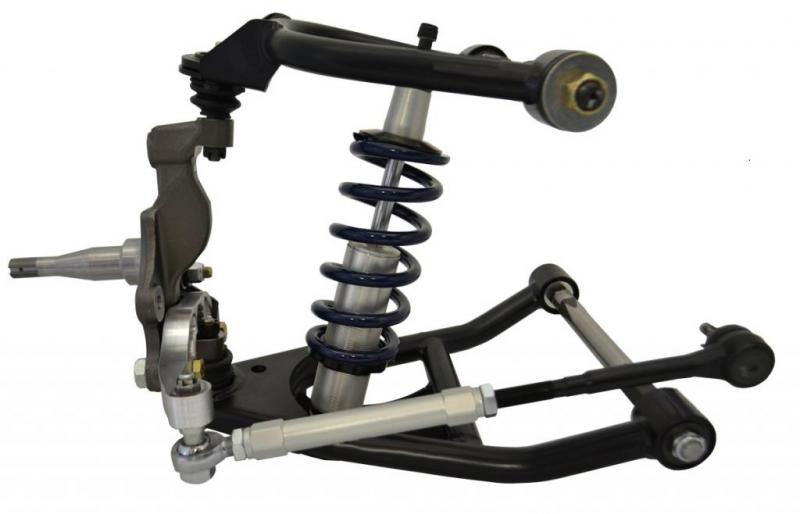
1. Suspension Wear: The Silent Comfort Killer

One of the most common concerns in both vehicles after 120,000–180,000 KM is suspension fatigue.

What Happens:

  • Struts and shocks lose damping performance
  • Sway bar links begin to clunk
  • Control arm bushings crack
  • Ball joints develop play

In Canada, potholes, frost heaves, and uneven winter roads make this worse.

Symptoms to Watch For:

  • Bouncy ride
  • Uneven tire wear
  • Knocking sounds over bumps
  • Steering instability

Many CR-V and RAV4 owners report that suspension refreshes dramatically improve ride comfort — especially after harsh winters.

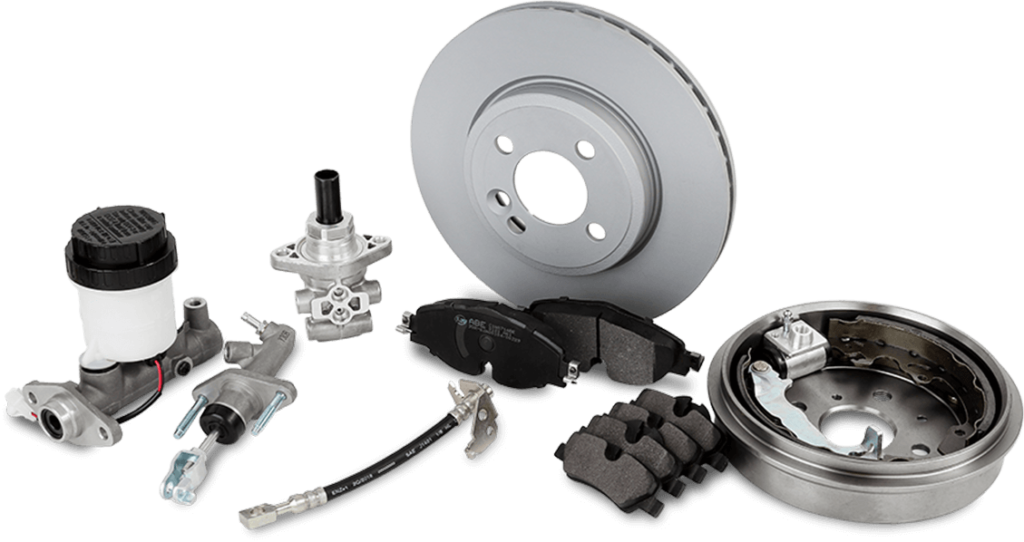
2. Brake System Wear: More Frequent Than Expected

Both SUVs are relatively light, but frequent city driving, winter braking, and highway commutes mean brake components wear steadily.

Common Replacements:

  • Brake pads (every 50,000–80,000 KM)
  • Rotors
  • Brake calipers (in salted environments)
  • Brake hardware

Canadian winters can cause caliper slide pins to seize due to salt corrosion. This leads to uneven pad wear and vibration under braking.

High-mileage drivers often find that complete brake servicing — not just pad replacement — restores performance and safety.

3. CV Axles & Drivetrain Components

Both models are popular AWD choices in Canada. AWD systems provide confidence in snow — but they also mean additional drivetrain components that eventually wear.

What to Expect:

  • CV axle boot tears
  • Clicking sounds during turns
  • Vibrations during acceleration
  • Differential fluid service requirements

If ignored, a damaged CV axle can lead to drivetrain imbalance or costly repairs.

4. Wheel Bearings: A Common Highway Wear Item

Long-distance commuting is common in Canada. After extended highway mileage, wheel bearings often begin to fail.

Signs:

  • Humming or growling noise
  • Noise increases with speed
  • Slight steering vibration

Salt and moisture intrusion accelerate bearing wear, especially in coastal provinces and snowy regions.

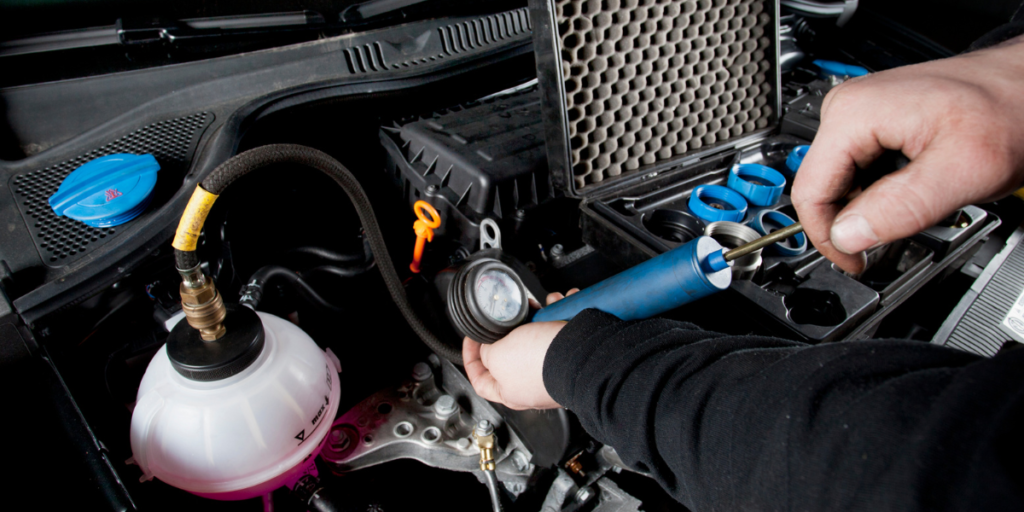
5. Engine & Cooling System Maintenance

Both the CR-V and RAV4 engines are known for reliability. However, after high mileage, preventive maintenance becomes critical.

Key Areas:

  • Water pump replacement
  • Thermostat issues
  • Radiator wear
  • Coolant hose degradation

Cold starts in Canadian winters put added stress on cooling and ignition components. Ignoring early warning signs — like overheating fluctuations — can lead to bigger repairs.

6. Cabin Air Filters & Air Quality Concerns

This may sound minor, but Canadian drivers deal with dust, pollen, wildfire smoke (in some provinces), and heavy winter moisture.

High-mileage CR-V and RAV4 owners often overlook cabin air filter replacement, leading to:

  • Reduced airflow
  • Musty smells
  • Strain on HVAC blower motors

Replacing filters regularly improves comfort and system longevity.

7. Exhaust & Underbody Corrosion

Salt is the biggest long-term enemy of Canadian vehicles.

After years of exposure, you may notice:

  • Exhaust leaks
  • Rusted mufflers
  • Corroded mounting brackets
  • Shield deterioration

Both SUVs generally resist rust well, but underbody components still require inspection after long-term winter use.

Are These SUVs Still Worth It After 150,000 KM?

Absolutely — when properly maintained.

Both vehicles have proven track records of exceeding 300,000 KM with consistent servicing. The key difference between a reliable high-mileage SUV and a problematic one is proactive part replacement.

Owners who stay ahead of wear items:

  • Experience fewer breakdowns
  • Maintain better fuel efficiency
  • Avoid expensive emergency repairs
  • Preserve resale value

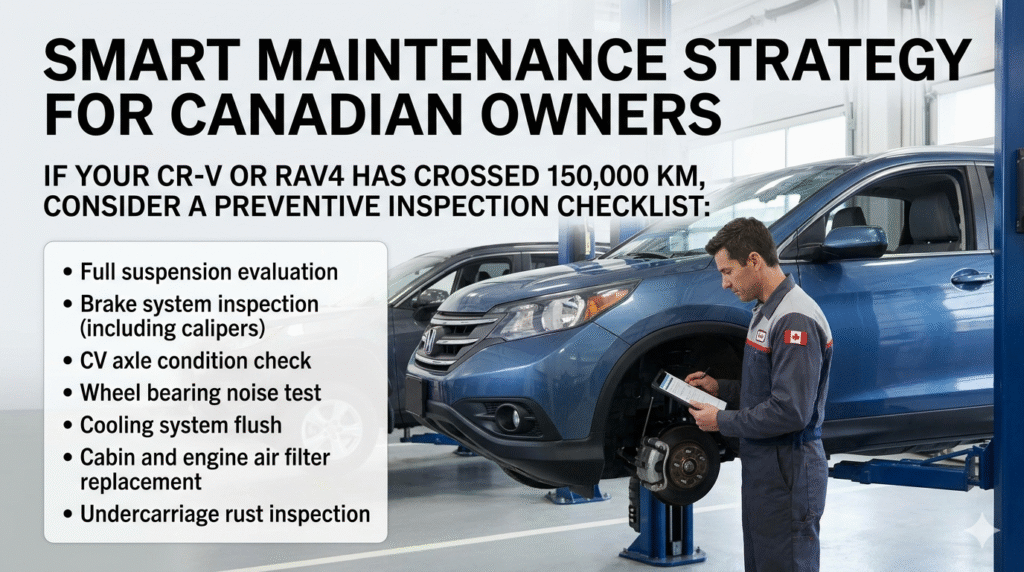
Smart Maintenance Strategy for Canadian Owners

If your CR-V or RAV4 has crossed 150,000 KM, consider a preventive inspection checklist:

  • Full suspension evaluation
  • Brake system inspection (including calipers)
  • CV axle condition check
  • Wheel bearing noise test
  • Cooling system flush
  • Cabin and engine air filter replacement
  • Undercarriage rust inspection

Spreading these repairs over time helps manage costs while extending vehicle life significantly.

Final Thoughts for Canadian Drivers

The Honda CR-V and Toyota RAV4 have earned their reputations for reliability — and rightly so. However, Canadian driving conditions create unique wear patterns that high-mileage owners must address proactively.

By understanding the most common replacement parts and maintenance trends, drivers can extend the lifespan of their SUVs well beyond expectations.

Keep Your CR-V or RAV4 Running Strong with West Can Auto Parts

If you’re maintaining a high-mileage Honda CR-V or Toyota RAV4 in Canada, having access to quality replacement parts makes all the difference.

At West Can Auto Parts, we supply trusted suspension componentsbrake systemsCV axlesfilterscooling system parts, and more — helping Canadian drivers keep their vehicles reliable in every season. With 9 locations across British Columbia, online ordering, in-store pickup, and delivery options, we make it easy to find the right parts when you need them.

Whether you’re refreshing your suspension after a tough winter or replacing high-mileage brake components, our team is here to support your maintenance needs.

Visit West Can Auto Parts today and keep your SUV road-ready — no matter the mileage.

Disclaimer:

This blog is for educational and informational purposes only. For accurate diagnosis and proper vehicle repairs, always consult a certified automotive technician.

Similar Posts

Leave a Reply

Your email address will not be published. Required fields are marked *