
|

Clunking, Squeaking or Rattling? A Complete Guide to Suspension Noises

Sharing is Caring

Have you ever heard a clunk, squeak, or rattle coming from your vehicle when driving over bumps or turning the steering wheel? While it’s easy to ignore these sounds—especially if the car still feels drivable—suspension noises are often early warning signs of worn or failing components. Left unchecked, they can lead to unsafe handling, uneven tire wear, and costly repairs.

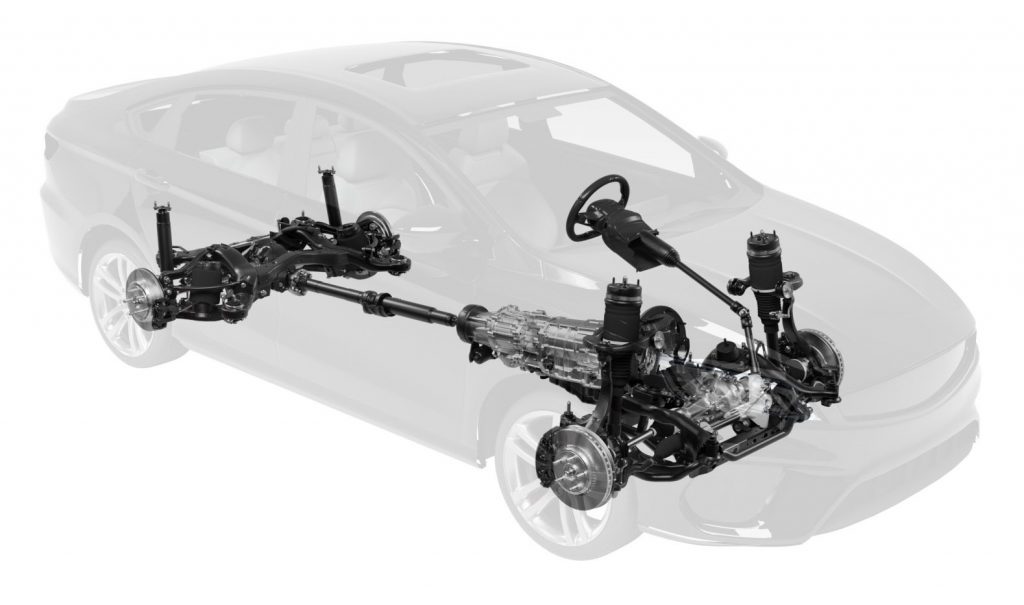
Your vehicle’s suspension and steering systems work together to provide comfort, stability, and control. Understanding what different noises mean—and knowing which components to inspect during routine servicing—can help you address problems early and keep your vehicle performing safely.

Let’s break down the most common suspension noises, what causes them, and the top suspension and steering components you should check at every service.

Why Suspension Noises Should Never Be Ignored

Suspension components are constantly under stress—from potholes, rough roads, braking, cornering, and even temperature changes. Over time, metal parts wear, rubber bushings degrade, and joints lose lubrication. Noise is often the first symptom before noticeable handling issues appear.

Ignoring suspension noises can result in:

  • Reduced vehicle stability and braking performance
  • Accelerated tire wear
  • Damage to surrounding components
  • Higher repair costs later

Early diagnosis not only saves money but also protects driver and passenger safety.

Common Suspension Noises & What They Mean

1. Clunking or Knocking Sounds

When it happens: Driving over bumps, braking, or accelerating

What it usually means:

  • Worn shocks or struts
  • Loose or damaged control arms
  • Failing ball joints or sway bar links

Clunking noises are among the most serious suspension warnings, as they often indicate excessive play in load-bearing components.

2. Squeaking or Creaking

When it happens: Slow speeds, speed bumps, turning

What it usually means:

  • Dry or worn rubber bushings
  • Aging control arm bushings
  • Lack of lubrication in joints

Rubber components naturally degrade over time, especially in regions with extreme temperatures or road salt exposure.

3. Rattling Sounds

When it happens: Rough or uneven roads

What it usually means:

  • Loose sway bar links
  • Worn shock mounts
  • Loose fasteners in suspension assemblies

While rattling may sound minor, it can quickly turn into a bigger issue if parts become completely detached.

4. Grinding or Popping When Turning

When it happens: Steering at low speeds or parking

What it usually means:

  • Worn ball joints
  • Failing tie rod ends
  • Power steering or steering rack issues

These noises often point to steering-related components and should be inspected promptly to avoid loss of steering control.

5. Bouncing or Thudding

When it happens: After hitting bumps

What it usually means:

  • Worn shocks or struts unable to dampen movement

If your vehicle continues to bounce after a bump, it’s a clear sign your shocks or struts are past their service life.

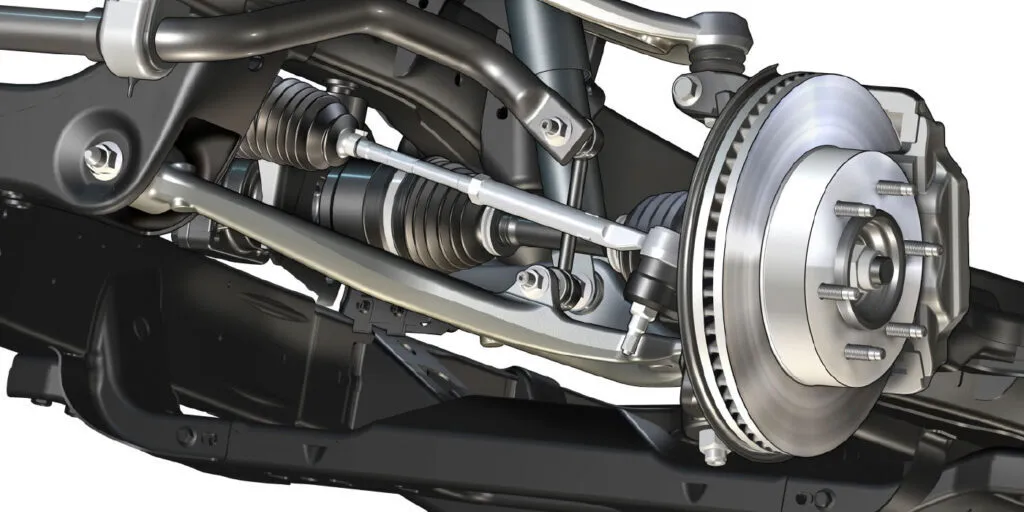
Top 10 Suspension & Steering Components to Check Every Service

Routine inspections can catch issues early. Here’s a comprehensive checklist every vehicle owner should be aware of:

1. Shocks

Responsible for controlling spring movement and ride comfort.

Warning signs: Leaking fluid, excessive bouncing, clunking noises.

2. Struts

Structural suspension components that also support vehicle weight.

Warning signs: Front-end noise, poor handling, uneven tire wear.

3. Control Arms

Connect the suspension to the vehicle frame.

Warning signs: Clunking sounds, poor alignment stability.

4. Control Arm Bushings

Rubber or polyurethane parts that absorb vibration.

Warning signs: Squeaking, looseness, excessive vibration.

5. Ball Joints

Allow suspension movement while supporting vehicle weight.

Warning signs: Popping noises, steering wander, uneven tire wear.

6. Tie Rod Ends (Inner & Outer)

Critical steering components that control wheel direction.

Warning signs: Steering play, clunking when turning, alignment issues.

7. Sway Bar (Stabilizer Bar)

Reduces body roll during cornering.

Warning signs: Rattling noises, poor cornering stability.

8. Sway Bar Links

Connect the sway bar to suspension components.

Warning signs: Rattles over bumps, loose handling.

9. Steering Rack & Pinion

Converts steering wheel movement into wheel motion.

Warning signs: Grinding sounds, steering stiffness, fluid leaks.

10. Steering Bushings & Mounts

Secure steering components while absorbing vibration.

Warning signs: Steering vibration, knocking noises, inconsistent steering feel.

What to Do When You Hear Suspension Noises

  1. Don’t ignore the sound – Even minor noises can indicate early wear.
  2. Note when it happens – Turning, braking, bumps, or straight driving.
  3. Inspect visually – Look for leaks, cracked bushings, or loose parts.
  4. Schedule a professional inspection – Especially for steering-related noises.
  5. Replace worn components promptly – Prevents damage to surrounding parts.

Why Quality Replacement Parts Matter

Suspension and steering components directly affect safety, comfort, and handling. Choosing high-quality replacement parts ensures:

  • Proper fit and performance
  • Longer service life
  • Reduced noise and vibration
  • Restored ride quality and control

At West Can Auto Parts, we carry a wide range of reliable suspension and steering components—including shocks, strut assemblies, control arms, ball joints, sway bar links, and steering parts—designed to meet or exceed OEM standards for a wide range of vehicles.

Final Thoughts

Suspension noises are your vehicle’s way of asking for attention. Understanding what those sounds mean and knowing which components to inspect during every service can help you avoid unexpected breakdowns and maintain a smooth, safe ride.

Whether you’re a daily commuter or managing a high-mileage vehicle, staying proactive with suspension and steering maintenance is one of the smartest decisions you can make.

Disclaimer:

This blog is for educational and informational purposes only. For accurate diagnosis and proper vehicle repairs, always consult a certified automotive technician.

Similar Posts

Leave a Reply

Your email address will not be published. Required fields are marked *