



| |

What Causes Steering Wheel Vibration When You Apply the Brakes?

Sharing is Caring

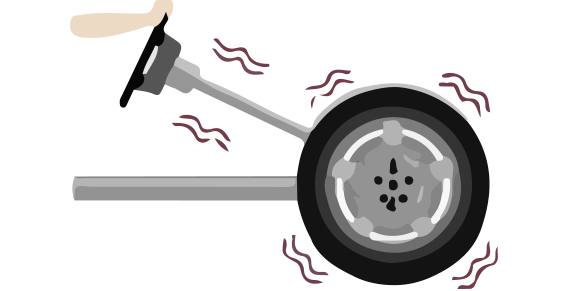
Few things are more unsettling than feeling your steering wheel shake or vibrate when you press the brake pedal. Whether it happens at highway speeds, while driving downhill, or during everyday city braking, steering wheel vibration is a warning sign that something in your braking or suspension system needs attention. Ignoring it can lead to reduced braking performance, uneven tire wear, and potentially unsafe driving conditions.

In this guide, we’ll break down the most common reasons your steering wheel vibrates when braking, how to tell which component is at fault, and when it’s safe—or unsafe—to keep driving.

1. Steering Wheel Shaking When Braking at High Speeds

One of the most common complaints from drivers is steering wheel vibration that becomes noticeable only at higher speeds, especially on highways. This usually points to brake rotor issues, though other factors can contribute.

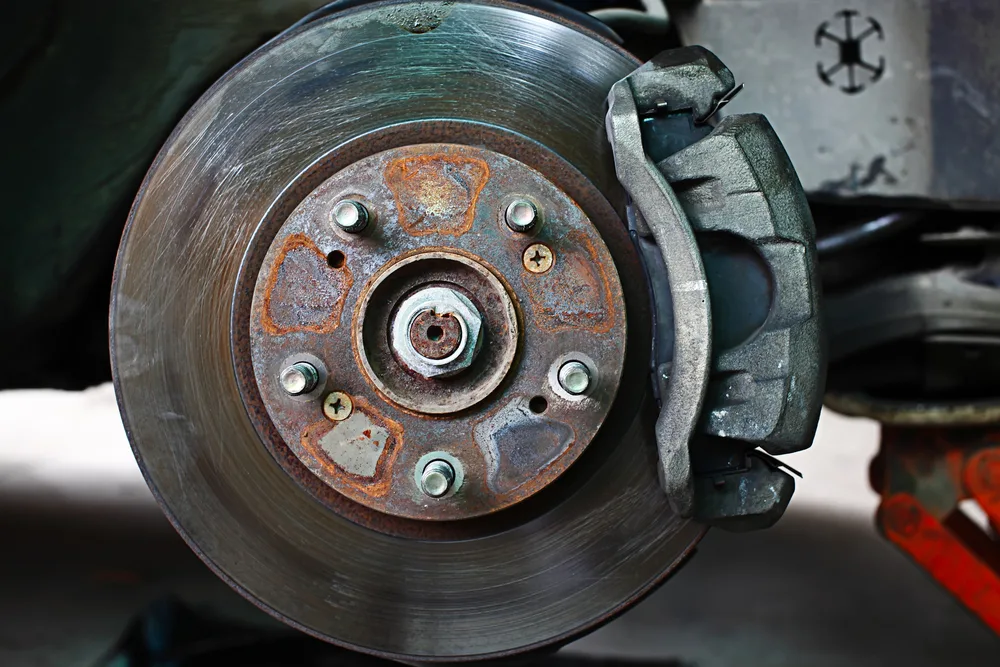
At high speeds, even minor imperfections in brake components are magnified. When you apply the brakes, the brake pads clamp down on the rotors. If the rotor surface is uneven or no longer perfectly flat, the braking force becomes inconsistent, sending vibrations through the steering wheel.

Common high-speed causes include:

  • Warped or uneven brake rotors
  • Excessive rotor runout
  • Wheel imbalance combined with braking force
  • Loose or worn suspension components

If the vibration increases with speed and disappears when you’re not braking, brake rotors are often the primary suspect.

2. Warped Brake Rotors vs Worn Brake Pads: What’s the Difference?

Drivers often ask whether worn brake pads can cause steering wheel vibration, or if the issue is always warped rotors. While both affect braking performance, they behave differently.

Warped Brake Rotors

Warped rotors occur when excessive heat causes the rotor to develop uneven thickness. This can happen due to:

  • Aggressive braking habits
  • Repeated downhill braking
  • Overheating from towing or heavy loads
  • Improper installation or lug nut torque

Symptoms include steering wheel vibration, pulsation in the brake pedal, and uneven braking feel.

Worn Brake Pads

Brake pads typically cause noise (squealing or grinding) rather than steering wheel vibration. However, if pads wear unevenly or become contaminated, they can contribute to inconsistent braking that feels like vibration.

Bottom line:

If the steering wheel shakes, rotors are usually the root cause, while worn pads tend to create sound-related symptoms.

3. Brake & Suspension Problems That Cause Steering Wheel Vibration

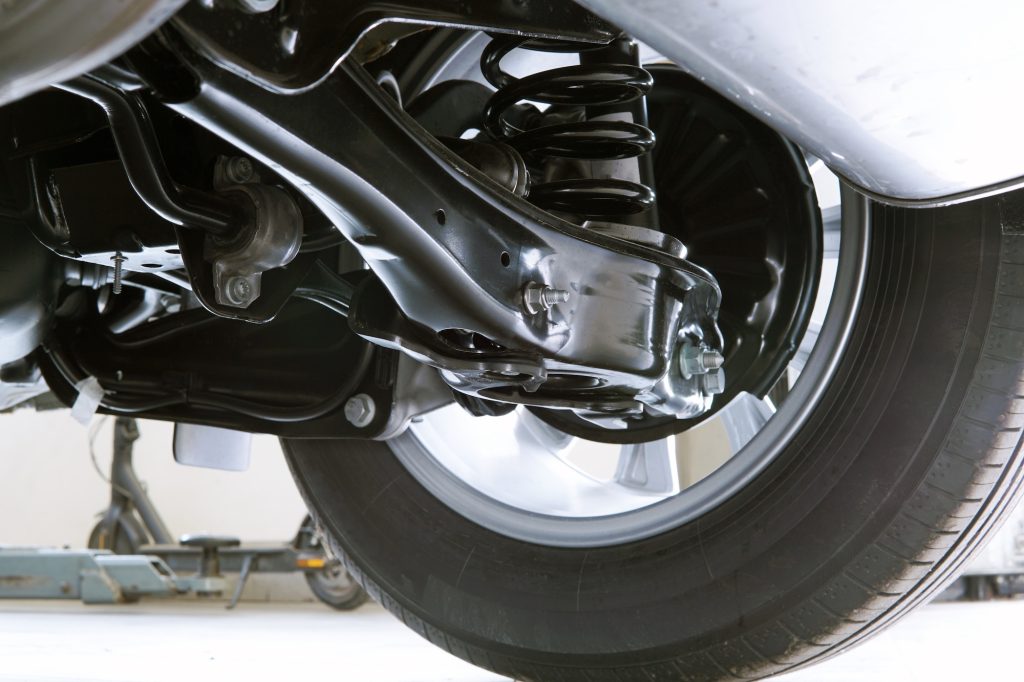
Brake components don’t work alone. The suspension and steering systems play a major role in how vibrations are transmitted to the steering wheel.

Here are five common brake and suspension issues that can cause vibration when braking:

  1. Warped or uneven brake rotors – The most frequent cause
  2. Worn ball joints or tie rod ends – Allow excessive movement under braking
  3. Bad control arm bushings – Transfer vibration directly into the steering column
  4. Loose wheel bearings – Create instability during braking
  5. Improperly torqued wheels – Can distort rotors over time

In many cases, replacing brake parts alone won’t fully solve the problem unless worn suspension components are addressed as well.

4. Why Steering Wheel Vibration Happens When Braking Downhill

Downhill braking places extra stress on your braking system. Gravity increases vehicle momentum, forcing the brakes to work harder for longer periods. This leads to heat buildup, which is a major contributor to rotor distortion.

Common downhill-specific causes include:

  • Overheating brake rotors
  • Brake fade due to prolonged braking
  • Rotor glazing
  • Inconsistent braking pressure

Using lower gears when descending hills can reduce brake heat and help prevent vibration-related issues over time.

5. Is It Safe to Drive If My Steering Wheel Vibrates When Braking?

This is one of the most important questions drivers ask—and the answer depends on severity.

When it may still be drivable (short term):

  • Mild vibration only at high speeds
  • No pulling to one side
  • No grinding or metal-on-metal noise

When it’s NOT safe to keep driving:

  • Vibration is severe or worsening
  • Brake pedal pulsates heavily
  • Vehicle pulls during braking
  • Steering feels loose or unstable

Continuing to drive with significant vibration can accelerate wear on brake pads, rotors, tires, and suspension parts—and may compromise your ability to stop safely.

How to Fix Steering Wheel Vibration When Braking

The correct fix depends on the underlying cause, but common solutions include:

  • Resurfacing or replacing brake rotors
  • Installing new brake pads
  • Replacing worn suspension components
  • Correct wheel torque and alignment
  • Inspecting wheel bearings and steering parts

A proper inspection by a qualified technician ensures the issue is resolved completely, not just temporarily masked.

Get Quality Brake & Steering Parts from West Can Auto Parts

If your steering wheel vibrates when braking, addressing the issue early can save you money and prevent further damage. West Can Auto Parts offers a wide range of quality brake componentssuspension parts, and steering system replacements to keep your vehicle safe and smooth on the road.

With multiple store locations, knowledgeable staff, and access to trusted brands, West Can Auto Parts makes it easy to find the right parts for your vehicle—whether you’re dealing with warped rotors, worn brake pads, or suspension-related vibration issues.

Disclaimer:

This blog is for educational and informational purposes only. For accurate diagnosis and proper vehicle repairs, always consult a certified automotive technician. 

Similar Posts

Leave a Reply

Your email address will not be published. Required fields are marked *