
DIY Car Maintenance Safety Guide: Fluids, Brakes & Electrical Systems
Working on your own vehicle can be rewarding, cost-effective, and empowering—but only when done safely. Whether you’re changing engine oil, tackling a brake job, or handling your car’s battery, overlooking basic safety practices can quickly turn a simple task into a serious hazard.
In this guide, we’ll walk you through essential safety tips for handling automotive fluids, performing DIY brake work, and working with batteries and electrical systems—so you can wrench with confidence.
Handling Automotive Fluids Safely: What Every DIYer Should Know
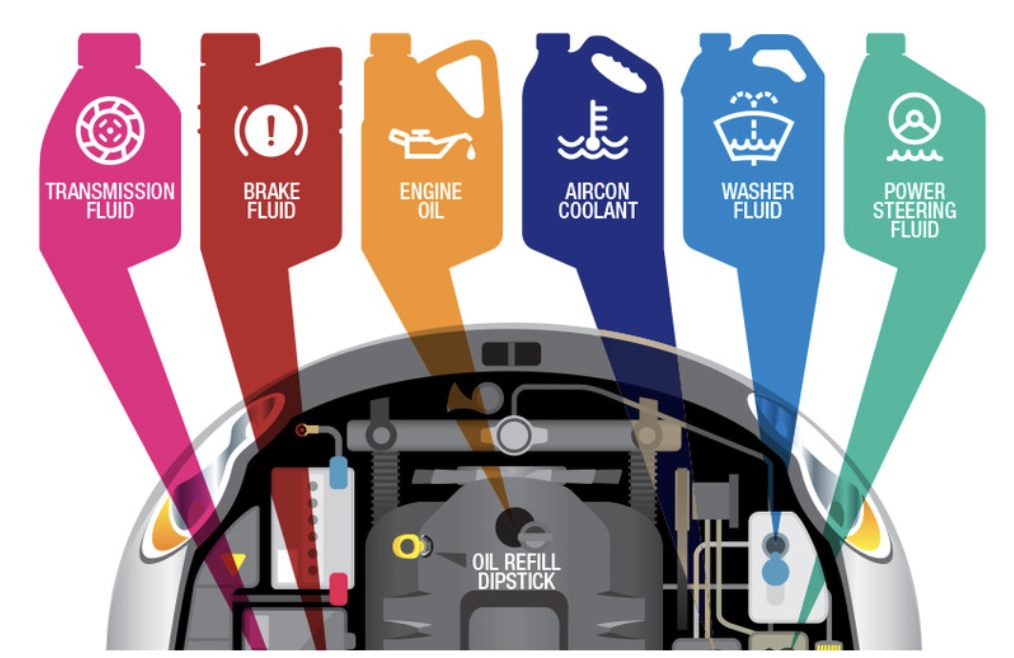
Your vehicle relies on several critical fluids—engine oil, coolant, brake fluid, transmission fluid, and more. While routine maintenance like fluid changes is common, improper handling can lead to burns, toxic exposure, or environmental damage.
Key Safety Tips:
- Avoid Hot Components
Never open a radiator cap or drain oil immediately after driving. Hot fluids can cause severe burns. Always let the engine cool down. - Wear Protective Gear
Use gloves and safety glasses to prevent skin and eye contact. Fluids like brake fluid are corrosive and can damage paint and skin. - Use Proper Containers
Always drain fluids into approved containers. Avoid spills and never reuse contaminated containers. - Dispose Responsibly
Used oil and coolant should never be dumped. Take them to authorized recycling centers. - Know Your Fluids
Mixing incompatible fluids (like coolant types) can damage your engine.
Pro Tip: Keep absorbent mats or shop towels handy to manage accidental spills.
DIY Brake Jobs: Safety Tips You Should Never Ignore
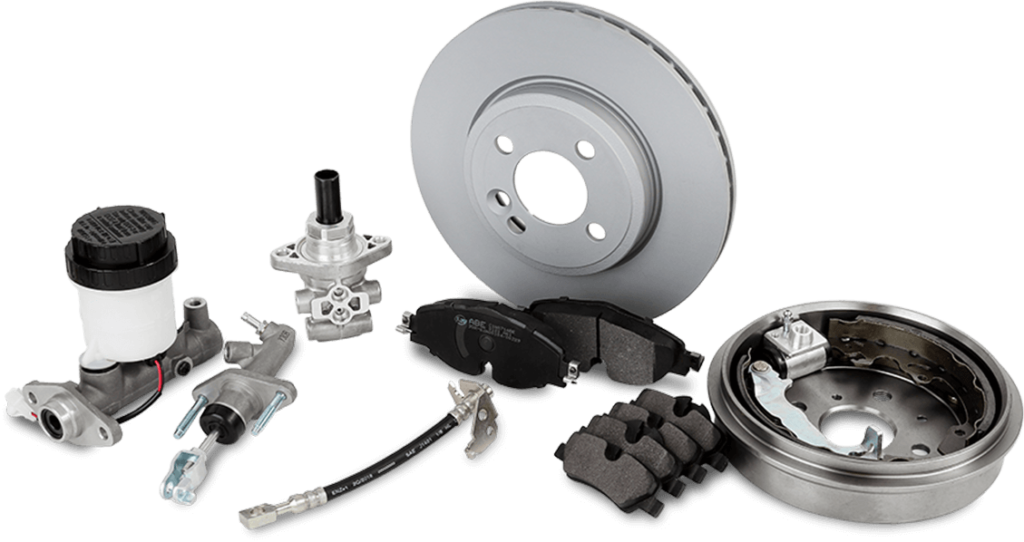
Brake maintenance is one of the most common DIY jobs—but also one of the most safety-critical. Mistakes here don’t just affect your car—they affect your ability to stop.
Before You Start:
- Park on a flat surface
- Use wheel chocks
- Always support the vehicle with jack stands (never rely on a jack alone)
Critical Safety Practices:
- Avoid Brake Dust Exposure
Brake dust may contain harmful particles. Never blow it off with compressed air—use brake cleaner instead. - Use the Right Tools
Improper tools can damage components or lead to incorrect installation. - Check for Fluid Leaks
After replacing pads or rotors, inspect brake lines and ensure no leaks are present. - Proper Torque Matters
Always tighten lug nuts and caliper bolts to manufacturer specifications. - Test Before Driving
Pump the brake pedal before moving the car to restore pressure.
Pro Tip: If your brake pedal feels soft after a job, do not drive—there may be air in the system.
Working with Car Batteries & Electrical Systems
Modern vehicles rely heavily on electrical systems, and even a simple battery replacement requires caution. Mishandling can lead to shocks, sparks, or even battery explosions.
Battery Safety Essentials:
- Disconnect the Negative Terminal First
This reduces the risk of short circuits. - Avoid Metal Contact
Keep tools away from both terminals at once—this can create sparks. - Inspect for Damage
Swollen, cracked, or leaking batteries should be handled with extreme care. - Work in Ventilated Areas
Batteries can emit hydrogen gas, which is flammable. - Wear Gloves & Eye Protection
Battery acid is highly corrosive.
Electrical System Precautions:
- Never work on electrical components with the ignition on
- Use proper fuses—never bypass them
- Be cautious when jump-starting vehicles—incorrect connections can damage electronics
Pro Tip: If you’re unsure about diagnosing electrical issues, it’s best to consult a professional—modern systems can be complex.
Why Safety Matters More Than Speed
In DIY car maintenance, rushing is your biggest enemy. Taking a few extra minutes to follow proper safety procedures can prevent injuries, costly mistakes, and long-term damage to your vehicle.
Whether you’re a seasoned DIYer or just getting started, building safe habits is just as important as having the right tools.
Get the Right Tools & Products at West Can Auto Parts
At West Can Auto Parts, we stock everything you need to perform safe and effective DIY maintenance:
- High-quality engine oils, coolants, and brake fluids
- Brake components including pads, rotors, and cleaners
- Reliable batteries and electrical components
- Safety gear, tools, and shop essentials
Our team is always ready to help you find the right products for your vehicle—so you can get the job done right the first time.
Final Thoughts
DIY car care is a great way to stay connected with your vehicle—but safety should always come first. From handling fluids properly to ensuring your brakes and electrical systems are in top condition, every step matters.
Take your time, follow best practices, and never cut corners when it comes to safety.
Disclaimer:
This blog is for educational and informational purposes only. For accurate diagnosis and proper vehicle repairs, always consult a certified automotive technician.