
The True Cost of Cheap Filters: A Complete Guide to Automotive Filters and Why Quality Matters
When it comes to vehicle maintenance, automotive filters are often overlooked—until something goes wrong. While they may seem like small, inexpensive components, filters play a critical role in protecting your engine, maintaining efficiency, and ensuring a smooth driving experience. Choosing between cheap and premium filters isn’t just a matter of price—it’s a decision that can significantly impact your vehicle’s long-term health.
In this guide, we’ll break down the different types of automotive filters, their functions, and uncover the true cost of opting for low-quality alternatives.
Understanding the Key Types of Automotive Filters
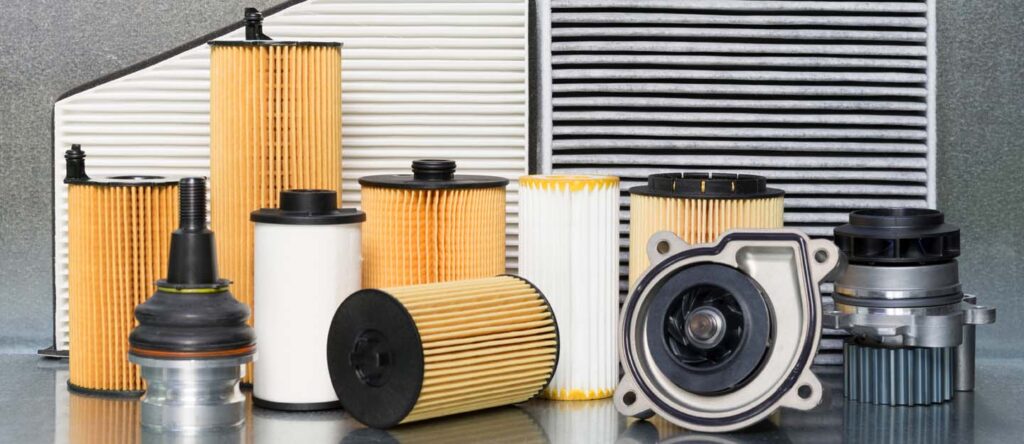
Modern vehicles rely on multiple filters to operate efficiently. Each serves a unique purpose:
1. Engine Oil Filter
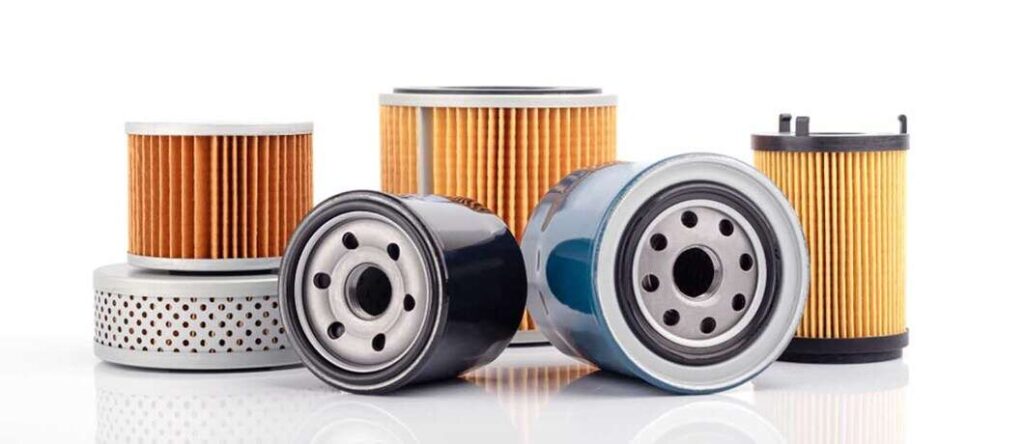
The engine oil filter removes contaminants such as dirt, metal particles, and sludge from engine oil. Clean oil ensures proper lubrication, reduces friction, and prevents premature engine wear.
- Why it matters:
A low-quality oil filter may fail to trap fine particles, allowing them to circulate within the engine—leading to increased wear and reduced engine life.
2. Engine Air Filter
This filter prevents dust, debris, and pollutants from entering the engine’s combustion chamber.
- Why it matters:
Restricted airflow due to a clogged or poor-quality engine air filter can reduce engine performance, decrease fuel efficiency, and increase emissions.
3. Fuel Filter
Fuel filters remove impurities from the fuel before it reaches the engine.
- Why it matters:
Contaminated fuel can damage fuel injectors and reduce combustion efficiency. A substandard filter may not effectively block harmful particles, resulting in costly repairs.
4. Cabin Air Filter
Often underestimated, the cabin air filter cleans the air entering your vehicle’s interior.
- Why it matters:
A good cabin filter improves air quality, removes allergens, and enhances passenger comfort—especially important in urban or polluted environments.
The Hidden Risks of Cheap Filters
At first glance, cheaper filters may seem like a cost-effective choice. However, the initial savings often come at a much higher long-term cost.
1. Poor Filtration Efficiency
Low-cost filters typically use inferior materials and less advanced filtration media. This reduces their ability to trap microscopic contaminants.
Result: Increased engine wear and reduced component lifespan.
2. Reduced Durability
Cheap filters often lack structural integrity. They may collapse under pressure, leak, or degrade faster than expected.
Result: Frequent replacements and potential engine damage.
3. Inconsistent Performance
Premium filters are designed and tested for consistent performance under varying conditions. Budget filters may not meet the same standards.
Result: Unpredictable engine behavior and reduced reliability.
4. Higher Long-Term Costs
While you save upfront, poor filtration can lead to:
- Engine wear and tear
- Reduced fuel efficiency
- Expensive repairs or part replacements
Result: You end up spending significantly more over time.
Premium Filters: What Makes Them Worth It?
Investing in high-quality filters offers several tangible benefits:
Advanced Filtration Technology
Premium filters use multi-layered filtration media that can trap even the smallest contaminants without restricting airflow or fluid movement.
Longer Service Life
Better materials and construction mean premium filters last longer and maintain performance throughout their lifespan.
Improved Engine Efficiency
Clean oil, air, and fuel directly contribute to smoother engine operation, better mileage, and reduced emissions.
Reliable Performance
Consistency is key. Premium filters are engineered to perform reliably in extreme temperatures, heavy traffic, and demanding driving conditions.
How to Choose the Right Filter for Your Vehicle
Selecting the right filter isn’t just about choosing the most expensive option—it’s about finding the right balance of quality, compatibility, and performance.
1. Follow Manufacturer Specifications
Always refer to your vehicle’s manual for recommended filter types and specifications.
2. Consider Driving Conditions
- Dusty environments require more efficient air filters
- Stop-and-go traffic may demand frequent oil filter changes
- Extreme climates can affect filter performance
3. Evaluate Brand Reputation
Established brands invest in research, testing, and quality control—ensuring reliable performance.
4. Avoid “Too Good to Be True” Pricing
If a filter is significantly cheaper than others in its category, it likely compromises on quality.

The Real Cost Comparison: Cheap vs Premium Filters
|
Factor
|
Cheap Filters
|
Premium Filters
|
|---|---|---|
|
Initial Cost
|
Low
|
Moderate
|
|
Filtration Efficiency
|
Low to Moderate
|
High
|
|
Lifespan
|
Short
|
Long
|
|
Engine Protection
|
Limited
|
Excellent
|
|
Long-Term Cost
|
High
|
Cost-Effective
|
Bottom line: Premium filters offer better value over time by protecting your vehicle and reducing maintenance costs.
Final Thoughts
Automotive filters are not just routine replacement parts—they are your vehicle’s first line of defense against contaminants that can compromise performance and longevity. Cutting corners with cheap filters might save money today, but it can lead to serious consequences tomorrow.
Investing in quality filtration is a simple yet powerful way to protect your engine, improve efficiency, and ensure a smoother driving experience.
Why Choose West Can Auto Parts?
At West Can Auto Parts, we understand the importance of reliable filtration. That’s why we offer a wide range of high-quality air, oil, fuel, and cabin filters from trusted brands—designed to meet or exceed OEM standards.
Whether you’re a daily driver or managing a fleet, our expert team can help you find the right filters for your vehicle, ensuring optimal performance and long-term reliability.
Don’t compromise on quality—choose filters that protect what matters most.
Disclaimer:
This blog is for educational and informational purposes only. For accurate diagnosis and proper vehicle repairs, always consult a certified automotive technician.