


| |

Your Car’s VIN Decoded: Hidden Secrets, Smart Buying Tips & Where to Find It

Sharing is Caring

If your vehicle had a fingerprint, it would be the VIN.

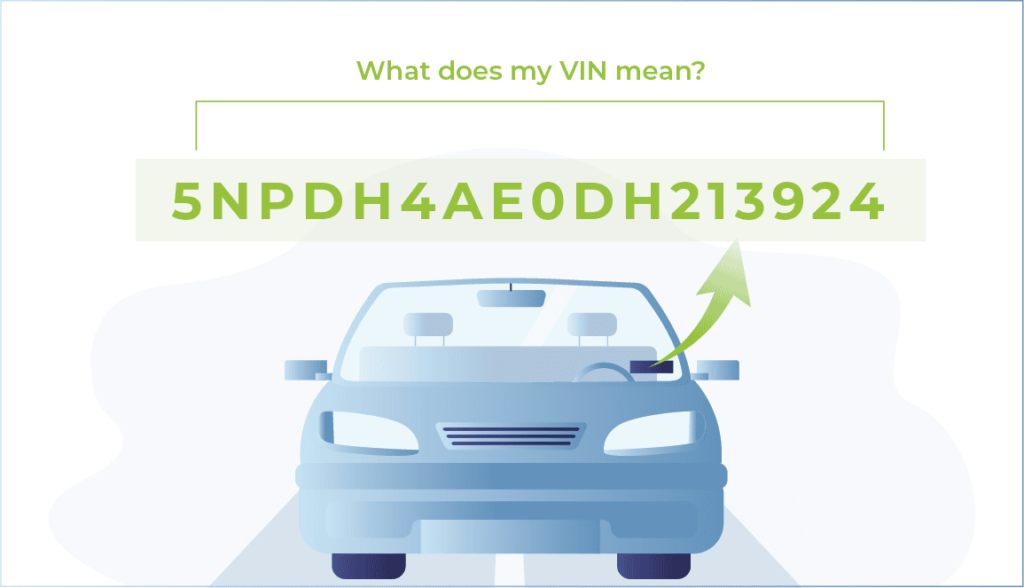
The Vehicle Identification Number (VIN) is a 17-character code that uniquely identifies your car. But it’s more than just a random string of letters and numbers — it’s a powerful data tool that reveals where your vehicle was built, what engine it carries, its safety systems, and even whether it’s been involved in accidents.

Whether you’re buying a used vehicle, checking for recalls, or simply curious about your car’s background, learning how to decode and locate your VIN can save you time, money, and stress.

Let’s break it down.

What Is a VIN & Why It Matters

A VIN is a standardized 17-character alphanumeric code assigned to every vehicle manufactured after 1981. It acts as your vehicle’s permanent identity — used by manufacturers, insurers, dealerships, and government agencies.

But for everyday drivers, the VIN is especially important when:

  • Buying a used vehicle
  • Checking accident history
  • Verifying trim level and engine type
  • Ordering the correct auto parts
  • Looking up manufacturer recalls

How to Decode Your VIN (Step-by-Step Guide)

Each VIN is divided into three key sections:

1️⃣ World Manufacturer Identifier (WMI) – Characters 1–3

These identify the manufacturer and country of origin.

For example:

  • Vehicles built in the U.S. often start with 1, 4, or 5
  • Canada-built vehicles typically start with 2
  • Japan-built vehicles often begin with J

This section tells you where your car was assembled — something many buyers overlook.

2️⃣ Vehicle Descriptor Section (VDS) – Characters 4–9

This section reveals specific details such as:

  • Engine type
  • Body style
  • Transmission
  • Model series
  • Safety restraint system

Character 9 is especially important — it’s a “check digit” used to verify that the VIN is legitimate and not altered.

3️⃣ Vehicle Identifier Section (VIS) – Characters 10–17

This identifies:

  • Model year (10th character)
  • Manufacturing plant (11th character)
  • Unique production number (last 6 digits)

For example, a VIN with “P” in the 10th position may indicate a 2023 model year (depending on coding sequence).

By decoding these sections, you can confirm whether a vehicle’s listing matches its actual configuration — a crucial step when buying used.

5 Sneaky Things Your VIN Reveals (That Most Owners Don’t Know)

Your VIN contains more hidden insights than you might expect:

1. Exact Engine Variant

Two cars may look identical, but VIN decoding can reveal differences in engine displacement, turbo configurations, or fuel systems.

2. Manufacturing Plant Location

The 11th character identifies the assembly plant. This can matter when researching recalls or quality control trends.

3. Trim Level & Special Editions

Luxury packages, sport trims, and limited editions are often distinguishable through VIN decoding.

4. Safety Equipment Details

Airbag systems, ABS configurations, and restraint systems can sometimes be verified through VIN data.

5. Authenticity Check

The VIN’s check digit helps detect tampering — a key defense against fraud.

These “hidden” details are especially valuable in private-party sales.

How VIN History Reports Help You Avoid Buying a Lemon

One of the smartest moves you can make when buying a used vehicle is running a VIN history report.

A VIN report may reveal:

  • Accident history
  • Title branding (salvage, rebuilt, flood damage)
  • Odometer discrepancies
  • Recall status
  • Number of previous owners
  • Service history (when available)

Even if a car looks spotless, its VIN history may tell a different story.

🚩 Red Flags to Watch For:

  • Inconsistent mileage records
  • Frequent ownership changes in a short period
  • Structural damage reports
  • Insurance write-offs

Skipping a VIN check can cost thousands in hidden repairs later.

Where to Find Your VIN on Any Vehicle

You don’t need special tools to locate your VIN. It’s usually visible in multiple places:

📍 1. Dashboard (Driver’s Side)

Stand outside the vehicle and look through the windshield at the lower corner of the dashboard.

📍 2. Driver’s Side Door Jamb

Open the driver’s door — you’ll typically find a sticker or metal plate containing the VIN.

📍 3. Vehicle Registration & Insurance Documents

Your VIN is printed on official paperwork.

📍 4. Under the Hood (Some Vehicles)

Older or specific models may display the VIN near the engine bay or firewall.

📍 5. Vehicle Frame (Less Common)

In some cases, it may be stamped on the chassis for theft prevention.

Always ensure the VIN matches across all locations and documents before purchasing.

Why VIN Accuracy Matters for Parts & Repairs

Here’s something many drivers overlook: even small vehicle variations can affect part compatibility.

Two vehicles of the same model year may require different:

Using your VIN ensures you get the correct fit the first time — preventing returns, delays, and installation headaches.

When sourcing replacement components, providing your VIN allows parts specialists to match the exact configuration of your vehicle, including engine type and production changes.

Final Thoughts: Knowledge Is Power — and Protection

Your VIN isn’t just a bureaucratic number — it’s your vehicle’s identity, history, and blueprint rolled into one code.

By learning how to:

  • Decode it
  • Locate it
  • Verify it
  • Use it for history checks

…you gain an edge whether buying, selling, insuring, or repairing your vehicle.

And when it comes time to replace parts, having your VIN ready makes the process faster and more accurate. At West Can Auto Parts, our team can help match the right components to your vehicle using VIN-based lookup tools — ensuring precision, reliability, and peace of mind. With 9 locations across British Columbia plus online ordering and delivery options, getting the correct auto parts has never been easier.

Because when it comes to vehicles, the right information makes all the difference.

Disclaimer:

This blog is for educational and informational purposes only. For accurate diagnosis and proper vehicle repairs, always consult a certified automotive technician.

Similar Posts

Leave a Reply

Your email address will not be published. Required fields are marked *