
| |

How to Protect Your Vehicle from Road Salt Corrosion (Step-by-Step)

Sharing is Caring

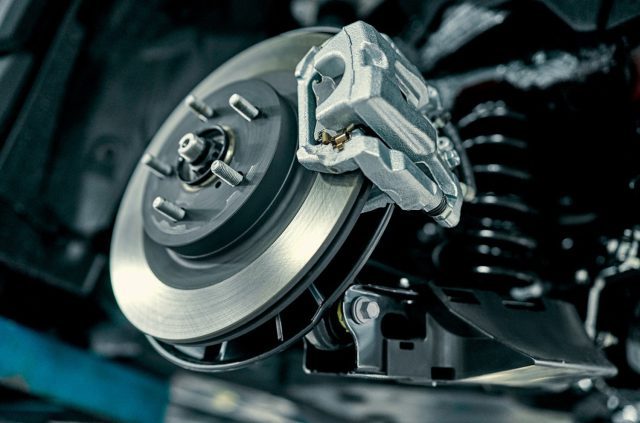
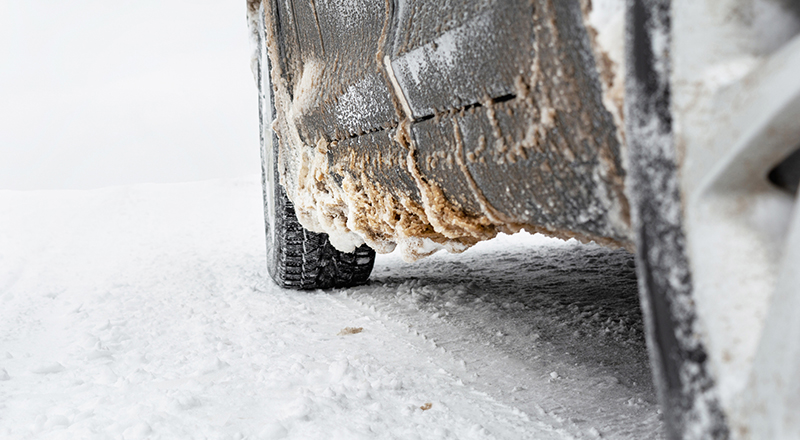
Winter driving can be beautiful—but it’s no secret that snow, ice, and road salt are among the biggest enemies of your vehicle’s metal surfaces. While road salt is effective for melting ice and keeping roads safe, it accelerates corrosion and rust when it clings to the undercarriage, brake components, body panels, suspension parts, and other exposed metal. Over time, this corrosion can lead to expensive repairs, safety issues, and a vehicle that looks far older than it really is.

In this guide, we’ll walk you through how corrosion begins, how to assess it, and the best ways to treat rust and prevent further damage—whether you’re a DIY enthusiast or want to know what professionals do.

What Causes Rust and Corrosion from Road Salt?

Rust is essentially iron oxide—a chemical reaction that occurs when metal is exposed to oxygen and moisture over time. Road salt accelerates this process in two big ways:

1. Salt Lowers Water’s Freezing Point

This keeps liquid water in contact with metal surfaces longer, even in freezing conditions.

2. Salt Ions Act as Electrolytes

These ions speed up electron transfer reactions that break down metal protective layers, making corrosion happen faster.

When left untreated, this leads to:

  • Flaking metal
  • Pitting on body panels
  • Rusted brake lines
  • Corroded rivets and fasteners
  • Weakened suspension components
  • Structural damage to frame and chassis

Signs Your Vehicle Is Corroding from Salt Exposure

Winter corrosion doesn’t always show up overnight. Knowing what to look for can save you time and money.

Common early warning signs:

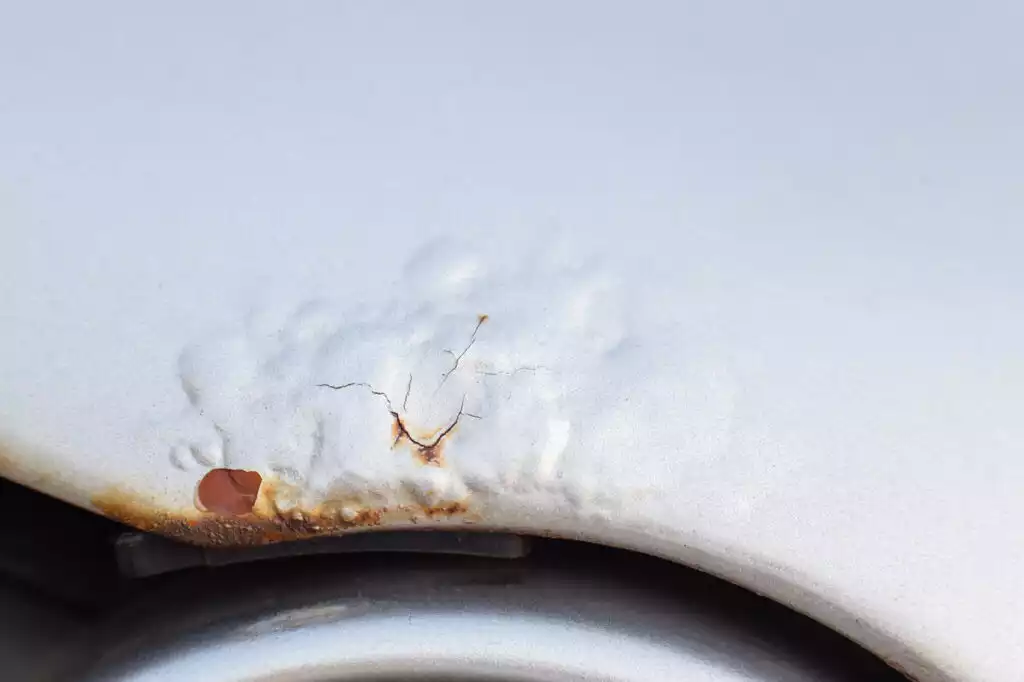
✔ Brown or orange spots on wheels or body panels
✔ Rough or bubbly paint surfaces
✔ Exposed bare metal on the undercarriage
✔ Slow brakes (rusted brake lines/calipers)
✔ Creaking suspension sounds

If you spot these, it’s time to take action.

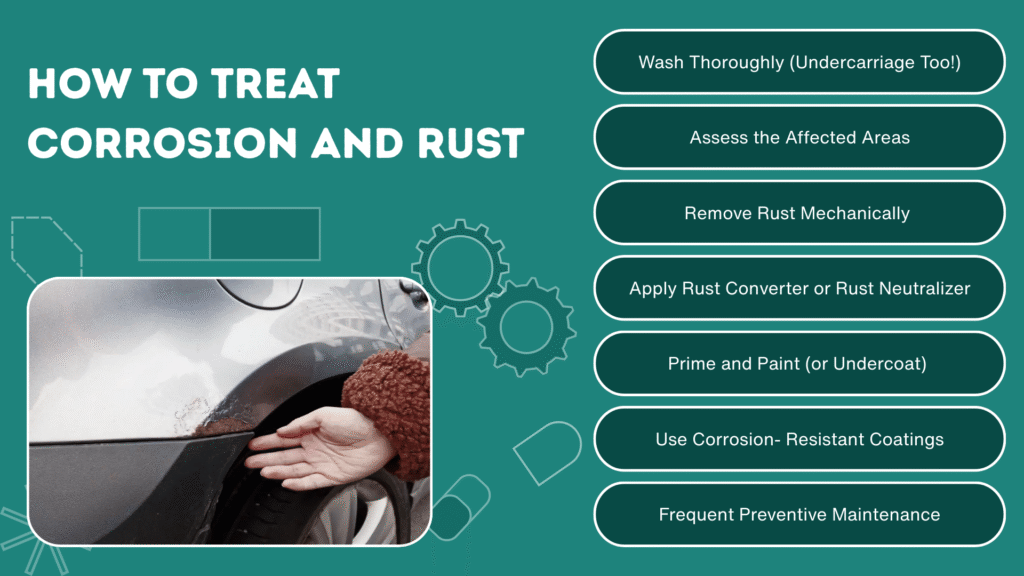
Step-by-Step: How to Treat Corrosion and Rust

Here’s a practical, effective process to treat and slow the progression of rust from road salt.

1. Wash Thoroughly (Undercarriage Too!)

Before any treatment:

  • Pressure wash the entire vehicle
  • Focus on wheel wells, rocker panels, and the undercarriage
  • Remove as much salt and grime as possible

Salt that remains trapped will continue corroding even after surface treatment.

Tip: Do a thorough wash every 2–3 weeks during winter months.

2. Assess the Affected Areas

Once clean, inspect carefully:

  • Use a flashlight under the car
  • Tap suspicious spots with a screwdriver
  • Look for soft spots or flaking metal

Document what you see so you can address each area effectively.

3. Remove Rust Mechanically

For surface rust that hasn’t eaten deeply into metal:

  • Wire brushes or drill attachments
  • Medium grit sandpaper (80–120 grit)
  • Steel wool for curves and hard-to-reach spots

Focus on getting rid of the flaky, oxidized layer so that you can treat the bare metal underneath.

4. Apply Rust Converter or Rust Neutralizer

After physical rust removal:

  • Rust converters chemically change remaining corrosion into a stable compound
  • Rust neutralizers prepare metal for primer and paint

These products are essential if you want a lasting treatment. Apply as per instructions and let fully cure.

5. Prime and Paint (or Undercoat)

Once rust is neutralized:

For body areas

  • Apply a quality automotive primer
  • Follow with matching automotive paint

For undercarriage & frame

  • Use a rubberized undercoating or protective spray
  • Choose a product designed for salt-prone climates

A good undercoat acts like a shield against future corrosion.

6. Use Corrosion-Resistant Coatings

Consider adding long-term protection:

  • Wax-based rust inhibitors
  • Oil sprays for internal body cavities
  • Ceramic coatings for exterior surfaces

These treatments form an additional barrier between metal and salt + moisture.

7. Frequent Preventive Maintenance

  • Check vulnerable areas monthly during winter
  • Touch up chips or scratches quickly
  • Reapply undercoating annually

Maintenance is the best defense: catching corrosion early prevents costly long-term damage.

When to Seek Professional Help

Some rust problems go beyond DIY, such as:

  • Severe structural rust on the frame
  • Rusted brake lines or fuel lines
  • Suspension components that have seized
  • Large body panels requiring welding

In these cases, a certified automotive technician can safely assess and repair the issue.

Why Road Salt Corrosion Matters More Than You Think

Rust doesn’t just affect appearance—it can compromise:

  • Braking safety
  • Steering and suspension performance
  • Fuel system integrity
  • Resale value

Treating and preventing corrosion is not just about keeping your car looking nice—it’s about preserving safety and value year after year.

Protect Your Vehicle With the Right Products from West Can Auto Parts

If you’re dealing with the effects of continuous exposure to road salt, having the right tools and materials makes all the difference. At West Can Auto Parts, we carry a full range of:

🔹 Rust inhibitors and converters
🔹 Underbody coatings and sprays
🔹 Sandpaper, brushes, and mechanical rust-removal tools
🔹 Automotive primers, paints, and sealants

Whether you prefer to tackle corrosion yourself or want reliable products for a professional repair, West Can Auto Parts has you covered—in-store or online.

No matter how much snow and salt the winter brings, with the right approach and products, you can protect your vehicle and drive with confidence.

Disclaimer:

This blog is for educational and informational purposes only. For accurate diagnosis and proper vehicle repairs, always consult a certified automotive technician.

Similar Posts

Leave a Reply

Your email address will not be published. Required fields are marked *