
Why Are My Car Headlights Flickering? Causes and Fixes
Your car’s headlights play an essential role in keeping you safe on the road, especially when driving at night or in poor weather. If you notice your headlights flickering, dimming unexpectedly or changing brightness while driving, it is worth investigating the cause rather than ignoring the problem.
Headlight flickering can result from something as simple as a loose connection or a worn-out bulb. However, it can also indicate problems with your vehicle’s battery, alternator, wiring or lighting control system.
In this guide, we will explain the most common reasons car headlights flicker, how to recognize potential warning signs and what you can do to address the issue.
1. A Failing or Damaged Headlight Bulb
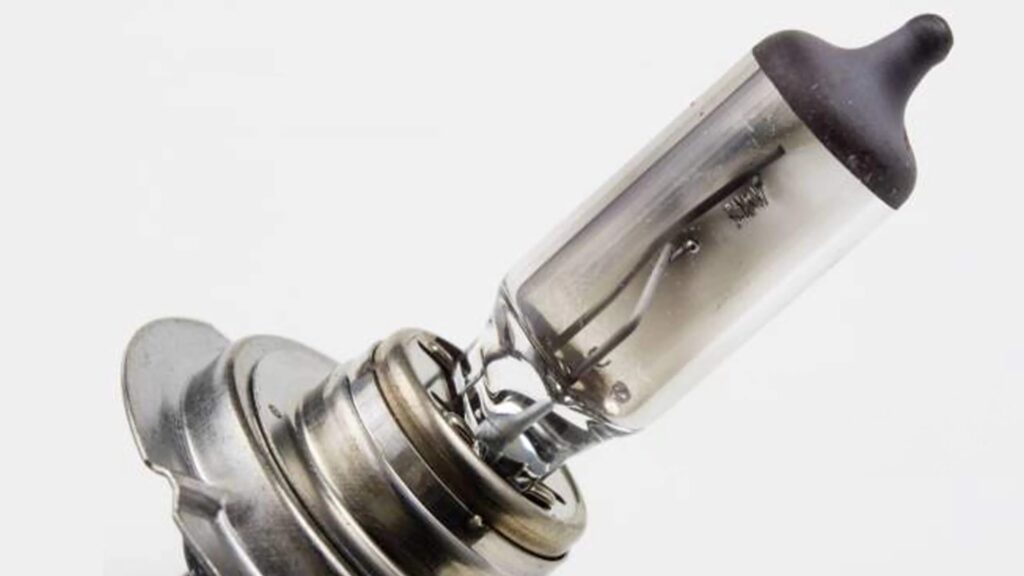
One of the first things to check when a headlight starts flickering is the bulb itself.
Halogen bulbs gradually wear out, and a damaged filament can cause intermittent illumination before the bulb fails completely. HID bulbs may also flicker as they age or develop problems with their associated components.
LED headlights can flicker because of internal electronic faults, incompatible drivers or other electrical issues.
What to do: Check whether the flickering affects one headlight or both. If only one light is affected, inspect the bulb and its connection, following the vehicle manufacturer’s instructions. Replace a faulty bulb with the correct specification for your vehicle.
If a new bulb continues to flicker, avoid repeatedly replacing it without investigating the underlying cause.
2. Loose or Damaged Electrical Connections
Headlights rely on secure electrical connections to receive consistent power. A loose connector, corroded terminal, damaged wire or poorly fitted bulb can interrupt the electrical supply and cause intermittent flickering.
Vibration from driving over uneven roads can make an existing connection problem more noticeable. Moisture entering a headlight assembly or connector may also contribute to corrosion.
What to do: With the vehicle switched off and the lights cooled, visually inspect accessible connectors and wiring for obvious damage, corrosion or loose fittings. Do not handle exposed wiring or electrical components while the system is powered.
Damaged connectors, corroded terminals and wiring faults may require professional repair. If the problem persists after checking the bulb, have the electrical connections tested.
3. A Weak Battery
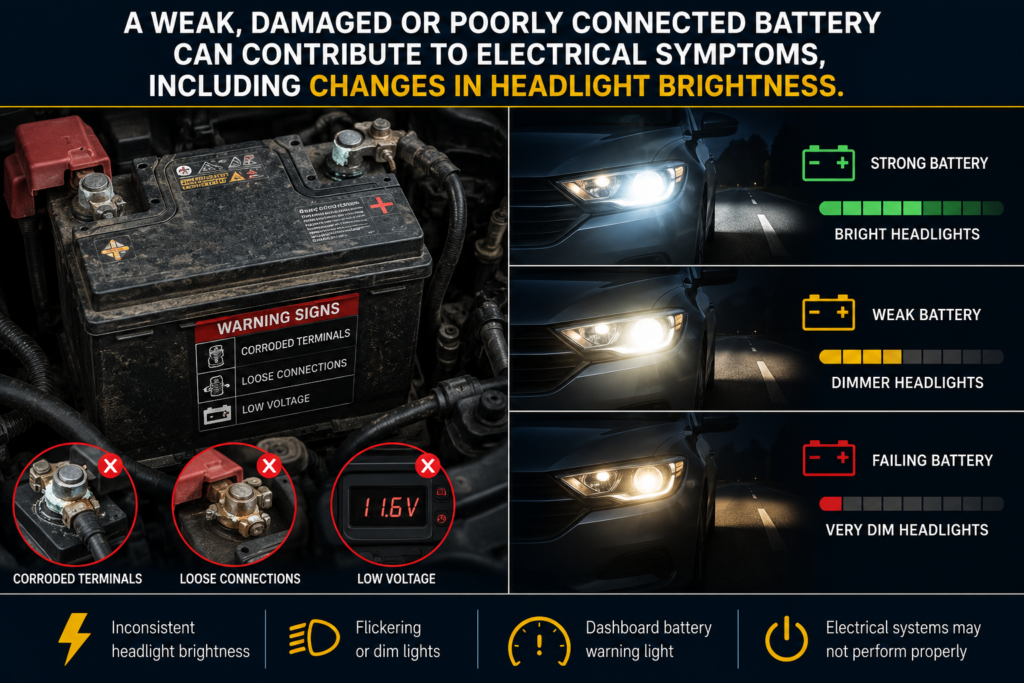
Your vehicle’s battery supplies electrical power for starting and supports the vehicle’s electrical systems. A weak, damaged or poorly connected battery can contribute to electrical symptoms, including changes in headlight brightness.
You might notice the lights dimming during engine startup or when several electrical accessories are operating. Other symptoms can include slow engine cranking, difficulty starting the vehicle or battery-related warning indicators.
However, headlight flickering alone does not necessarily mean the battery is failing.
What to do: Look for other starting problems or battery warning signs. A qualified technician can test the battery’s condition, charging performance and terminal connections to determine whether the battery needs attention.
Avoid assuming that replacing the battery will solve the issue without testing the electrical system.
4. A Faulty Alternator or Charging System
The alternator generates electrical power while the engine runs and helps keep the battery charged. If the alternator or another charging-system component is malfunctioning, the vehicle may experience unstable electrical supply.
Possible warning signs include headlights that repeatedly brighten and dim, a battery or charging-system warning light, unusual electrical behaviour and difficulty keeping the battery charged.
A damaged alternator, faulty voltage regulator, worn drive belt or poor electrical connection may contribute to these symptoms.
What to do: Have the charging system inspected and tested. A technician can check charging voltage under different operating conditions and inspect the alternator, voltage regulation and related connections.
If the charging-system warning light comes on alongside flickering headlights, take the warning seriously. If the lights become severely dim or other electrical systems begin failing, pull over safely and arrange assistance rather than continuing to drive in unsafe conditions.
5. A Faulty Headlight Relay, Switch or Wiring Circuit
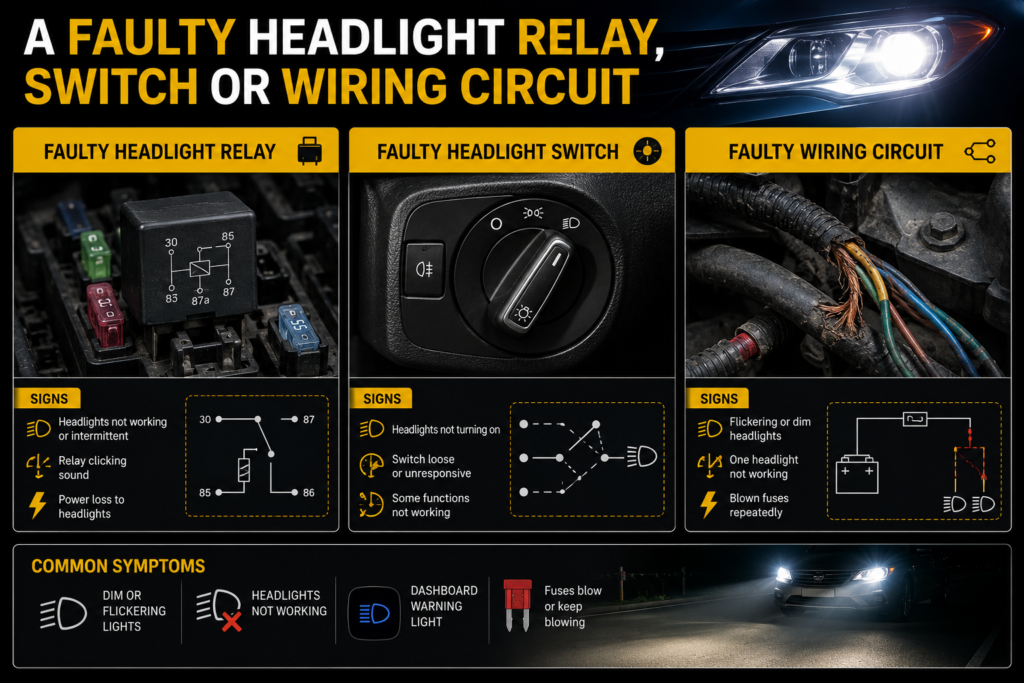
Your vehicle’s headlight system may use relays, switches, control modules and wiring circuits to operate the lights. A failing relay, worn switch or damaged circuit can interrupt the power supply and cause intermittent illumination.
For example, flickering that occurs when operating the headlight switch may indicate a switch or circuit problem. However, the timing of the symptom alone cannot confirm which component has failed.
Modern vehicles may also use electronic lighting controls that require specialized diagnostic procedures.
What to do: Note when the flickering occurs and whether it affects one light or both. A technician can inspect the relevant circuit, test the relay and switch where applicable, and scan electronic control systems if necessary.
Avoid replacing electrical components based on guesswork, as the fault may lie elsewhere in the circuit.
6. LED Headlights Flickering After an Upgrade
If your headlights started flickering after switching from halogen bulbs to LED replacements, compatibility should be one of the first things to investigate.
Some LED bulbs require specific drivers or electrical characteristics to operate correctly. In certain vehicles, the lighting system monitors bulb power consumption and may interact poorly with an incompatible aftermarket replacement.
A poorly matched driver, unsuitable bulb design, incorrect installation or electrical supply issue can cause flickering.
What to do: Confirm that the LED replacement is compatible with your vehicle and headlight assembly. Check the manufacturer’s guidance for any required components and installation procedures.
Do not assume that a bulb is suitable simply because it fits the socket. The lighting system must also produce an appropriate beam pattern and comply with applicable road-use requirements.
7. Moisture Inside the Headlight Assembly
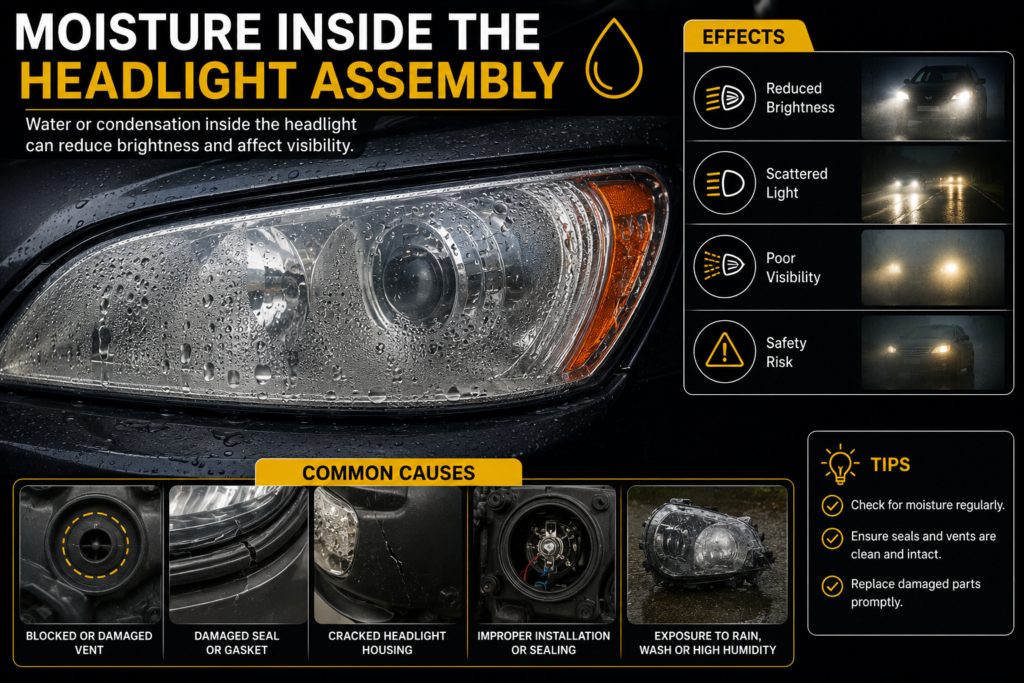
Condensation inside a headlight can sometimes be temporary, particularly when temperatures or humidity change. However, persistent moisture, visible water pooling or damaged seals may indicate a problem.
If water reaches electrical connectors or other components, it can contribute to corrosion, intermittent connections and lighting failures.
What to do: Inspect the headlight lens for cracks, persistent fogging or signs of water accumulation. If moisture remains or flickering develops, have the housing, seals, vents and electrical connections checked.
Do not assume that replacing the bulb alone will fix a moisture-related problem.
How to Diagnose Flickering Headlights
Before replacing any parts, observe the symptoms carefully.
- Only one headlight flickers: A bulb fault, connector problem, local wiring issue or headlight assembly fault may be responsible.
- Both headlights flicker together: Investigate the battery connections, charging system, shared wiring or lighting controls.
- Lights dim when starting the engine: Some brief dimming can occur during startup, but excessive or persistent dimming warrants an electrical system check.
- Flickering began after installing LED bulbs: Verify bulb compatibility, installation and driver requirements.
- Flickering occurs alongside dashboard warnings: Have the relevant electrical or charging-system faults diagnosed promptly.
These observations can help narrow down the possibilities, but they are not definitive diagnoses.
When Should You Get Professional Help?
Headlight flickering should not be ignored, especially if it becomes frequent or affects visibility while driving. Seek professional assistance if both headlights repeatedly flicker, electrical components behave unusually, warning lights appear or the problem continues after a bulb replacement.
If your headlights fail or become too dim to illuminate the road safely, stop somewhere safe and arrange roadside assistance. Avoid driving at night with unreliable headlights.
Keep Your Vehicle Lighting Reliable with West Can Auto Parts
Flickering headlights can be caused by a failing bulb, loose connection, battery issue, alternator fault or a problem within the lighting circuit. Identifying the underlying cause is the best way to avoid unnecessary replacements and restore dependable lighting.
At West Can Auto Parts, we understand how important reliable automotive lighting is for everyday driving. Whether you need a suitable replacement headlight bulb or other automotive parts, checking the correct specification for your vehicle is an important first step.
Visit westcanauto.com or contact your local West Can Auto Parts store for assistance with your automotive parts needs.
Don’t ignore flickering headlights. Addressing the problem early can help you maintain visibility, identify developing electrical issues and drive with greater confidence.
Disclaimer:
This blog is for educational and informational purposes only. For accurate diagnosis and proper vehicle repairs, always consult a certified automotive technician.