

Car AC System Explained: How Compressors, Condensers & Expansion Valves Work Together
When the summer heat hits, your car’s air conditioning system becomes more than just a comfort feature—it’s essential. But for many drivers and DIYers, what happens behind the scenes remains a mystery. Understanding how your car’s AC system works not only helps you diagnose problems early but also makes smarter maintenance and repair decisions.
In this guide, we’ll break down the complete car AC system in a simple, easy-to-follow way, focusing on the key components: the compressor, condenser, expansion valve, and evaporator—and how they work together to keep your cabin cool.
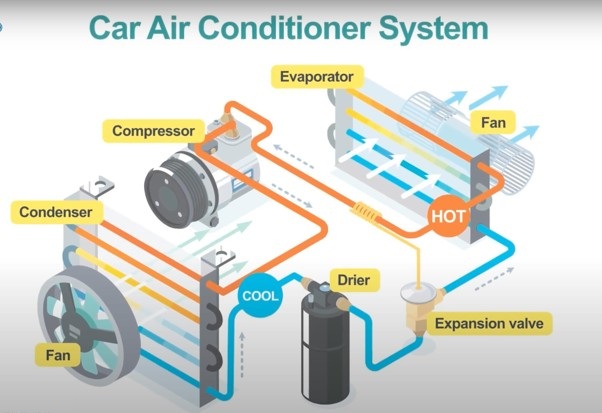
The Big Picture: How a Car AC System Works
At its core, your car’s AC system doesn’t “create cold air.” Instead, it removes heat from inside your cabin and releases it outside using a closed-loop system filled with refrigerant.
Think of it as a continuous cycle:
- Refrigerant is compressed into a high-pressure gas
- It cools down and turns into a liquid
- It rapidly expands and becomes cold
- It absorbs heat from inside your car
- The cycle repeats
Each major component plays a critical role in this process.
1. The Compressor: The Heart of the System
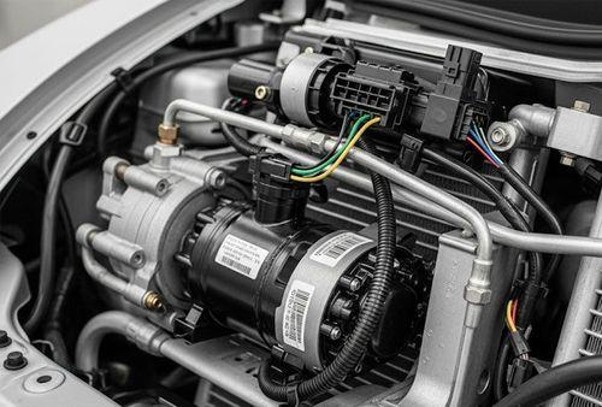
The AC compressor is often referred to as the heart of the air conditioning system—and for good reason.
What It Does:
- Compresses low-pressure refrigerant gas into high-pressure, high-temperature gas
- Circulates refrigerant throughout the entire system
- Driven by the engine via a belt (or electrically in some modern vehicles)
Why It Matters:
Without the compressor, refrigerant wouldn’t move, and the entire cooling process would stop.
Common Issues:
- Worn-out clutch (won’t engage)
- Internal seizure or failure
- Leaks due to worn seals
DIY Tip:
If your AC isn’t cooling and you don’t hear the compressor engaging (a click sound), it could be an early warning sign of compressor trouble.
2. The Condenser: Turning Heat Into Liquid
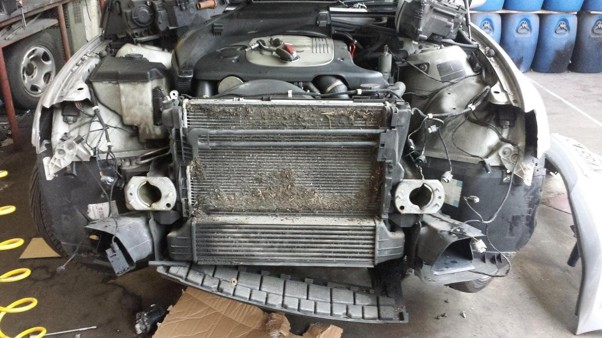
Once the refrigerant leaves the compressor, it enters the condenser, usually located at the front of the car near the radiator.
What It Does:
- Releases heat absorbed from the cabin
- Converts high-pressure gas into a cooler high-pressure liquid
- Uses airflow (from driving or cooling fans) to dissipate heat
Why It Matters:
The condenser is where the system actually dumps heat outside your car. If it can’t do this efficiently, your AC won’t cool properly.
Common Issues:
- Blocked or dirty fins reducing airflow
- Physical damage from road debris
- Refrigerant leaks
DIY Tip:
A quick visual inspection can go a long way. If the condenser looks clogged with dirt or bugs, cleaning it can improve AC performance.
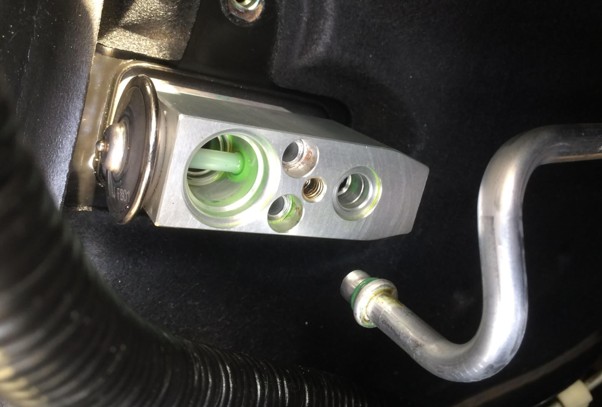
3. The Expansion Valve: The Cooling Trigger
The expansion valve (or orifice tube in some vehicles) is where the real magic of cooling begins.
What It Does:
- Regulates the flow of refrigerant into the evaporator
- Rapidly reduces pressure, causing the refrigerant to expand
- Turns liquid refrigerant into a cold, low-pressure mist
Why It Matters:
This sudden drop in pressure is what creates the cooling effect. Without it, the refrigerant wouldn’t get cold enough to absorb heat.
Common Issues:
- Clogging due to debris
- Sticking valve (too much or too little refrigerant flow)
DIY Tip:
If your AC alternates between too cold and not cold at all, a faulty expansion valve could be the culprit.
4. The Evaporator: Where Cooling Happens
Located inside your dashboard, the evaporator is where the cabin air actually gets cooled.
What It Does:
- Absorbs heat from the air inside your car
- Allows refrigerant to evaporate back into a gas
- Works with the blower fan to circulate cool air into the cabin
Why It Matters:
This is the component that directly impacts your comfort. As warm air passes over the evaporator, it loses heat, and you feel cool air through the vents.
Common Issues:
- Mold or dirt buildup (causing bad odors)
- Reduced airflow due to clogging
- Leaks (harder to detect due to location)
DIY Tip:
If your AC smells musty, the evaporator or cabin air filter may need cleaning or replacement.
How It All Works Together (Simple Flow)
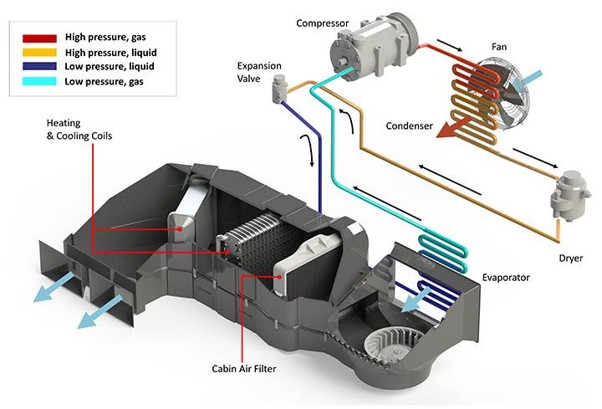
Let’s tie it all together in a simple flow:
- Compressor → Compresses refrigerant into hot, high-pressure gas
- Condenser → Cools it down into a high-pressure liquid
- Expansion Valve → Drops pressure, turning it into a cold mist
- Evaporator → Absorbs cabin heat and cools the air
- Back to Compressor → Cycle repeats
This continuous loop is what keeps your car consistently cool—even on the hottest days.
Why Understanding Your AC System Matters
For DIYers and beginner car owners, knowing these basics can save time and money:
- Helps identify problems early
- Prevents unnecessary part replacements
- Makes communication with mechanics easier
- Improves maintenance habits
Even something as simple as noticing weak airflow or unusual noises can point you to the right component.
Keep Your AC Running Smooth with the Right Parts
A well-functioning AC system depends on the health of every component—from the compressor to the smallest valve. Whether you’re dealing with weak cooling, strange noises, or a complete AC failure, using high-quality replacement parts makes all the difference.
At West Can Auto Parts, we carry a wide range of AC compressors, condensers, expansion valves, and related components to keep your system running efficiently. Our team can help you find the right fit for your vehicle and get you back on the road comfortably.
Final Thoughts
Your car’s AC system might seem complex, but when broken down into its core components, it’s a smart and efficient cycle of heat transfer. The compressor, condenser, expansion valve, and evaporator each play a vital role—and when they work together seamlessly, you get the cool, refreshing air you rely on.
Understanding this system not only empowers you as a car owner but also ensures you make better decisions when it comes to maintenance and repairs.
Disclaimer:
This blog is for educational and informational purposes only. For accurate diagnosis and proper vehicle repairs, always consult a certified automotive technician.